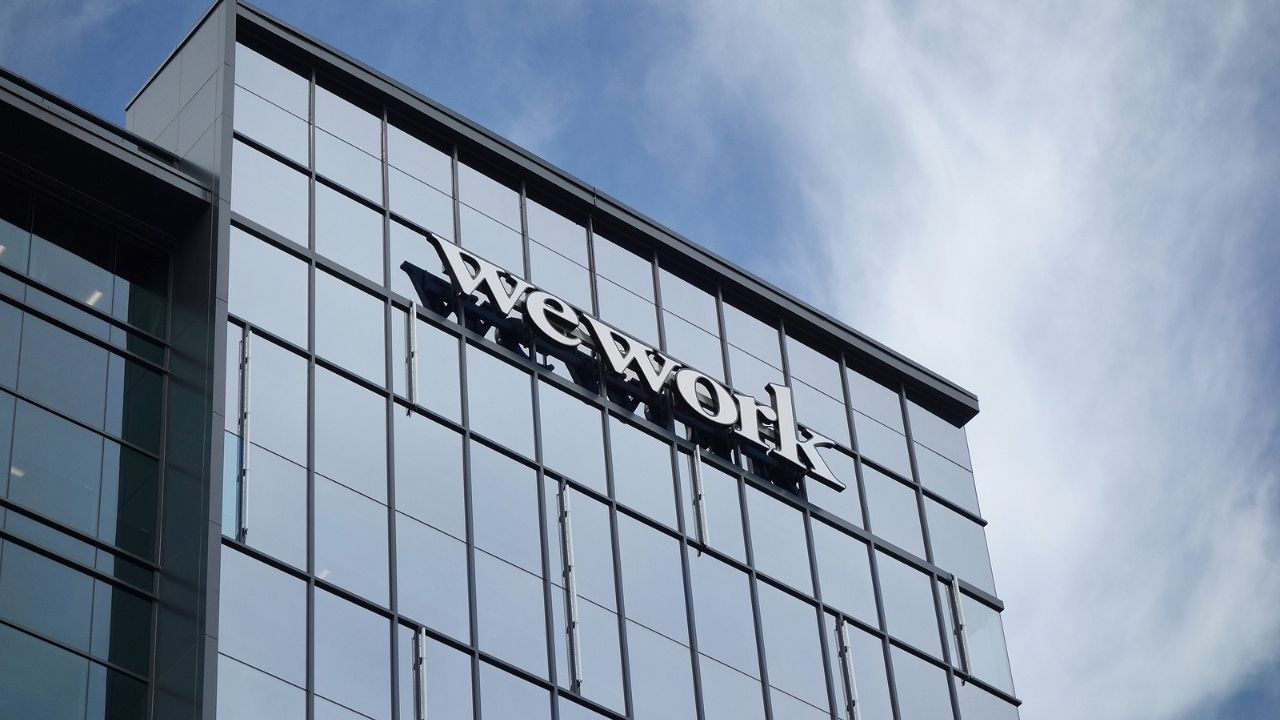





While large coworking firms are laying off staff to stay afloat amidst stay-at-home orders, they are confident in the longevity of their model. However, smaller office providers may not be so lucky.
“The only way small operators like ours are going to get through this is with rent relief and forgiveness from landlords,” said Skye Hain, CEO of coworking firm Primary and WeWork’s second-ever employee. “Without it, I don’t know if small operators are going to make it.”

According to a survey by Workthere, global flex office space had an 83% occupancy prior to the virus, and that number is expected to drop to 71% by June. Due to this drop, 31% of coworking operators in North America have requested rent relief as they are unable to pay rent.
Additionally, many coworking companies were unable to qualify for federal loans, and those that did were only able to cover a small portion of their revenue.

“We’re hoping that by pulling together with our members, that they’ll get funded and we’ll be able to work out some sort of fair payment,” said Neil Carlson, cofounder of Brooklyn Creative League. “If we get a break, we’ll pass some of that along and if they get a break, we’d love for them to make us whole as best they can.”
Despite the current outlook for the sector looking grim, coworking will ultimately come out on top as businesses seek flexible terms after lockdowns have been lifted to alleviate any future risks.