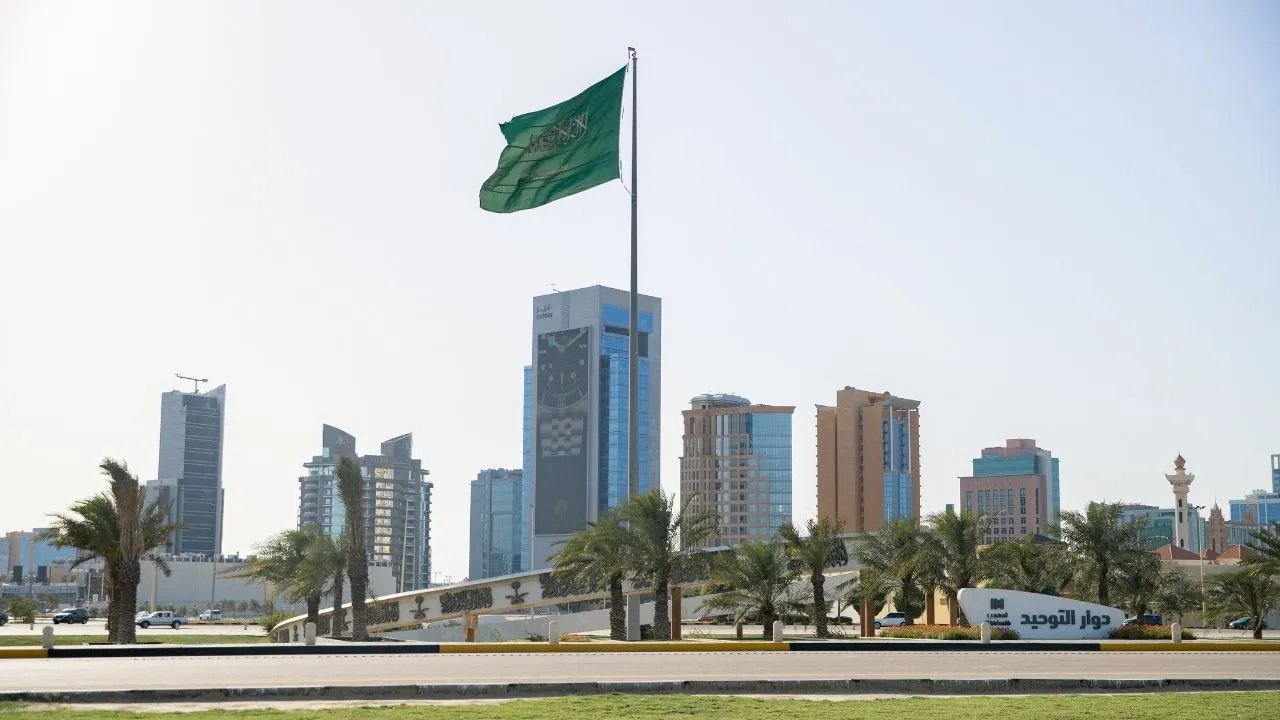
Flexible workspace is becoming a bigger part of Saudi Arabia’s corporate real estate market as Riyadh faces tight supplies of high-quality office space and a growing influx of international companies, according to Arab News.
Prime office rents in the capital rose 3% to SR3,320 ($887) per square meter in the second quarter, while Grade A occupancy remained close to full capacity, according to CBRE’s Q2 2026 Saudi Arabia Real Estate Market Review.

Demand is particularly strong in major business districts such as King Abdullah Financial District (KAFD), where international companies and established Saudi businesses are competing for limited premium space.
More Companies Need Offices, Faster
More than 600 companies have established regional headquarters in Riyadh. At the same time, established Saudi businesses are upgrading from lower-grade offices as newer generations of family business leaders seek workplaces that meet international standards.

That combination is changing what tenants expect from office developments. Companies are increasingly looking for buildings connected to retail, food and beverage, green space, residential options and public transportation.
Flex Moves Into the Development Plan
Developers are increasingly incorporating flexible workspace directly into commercial projects.
Rafal currently allocates around 15% to 20% of the gross leasable area in its new commercial developments to flexible workspace operators.
The appeal is partly speed. International companies entering Saudi Arabia may need space quickly while they establish their longer-term operations. Flexible offices can provide ready-to-use workplaces without requiring companies to commit immediately to conventional long-term leases and extensive fit-outs.
For developers, flexible operators can also take on fit-out costs and provide another way to fill space.
Regional Headquarters Add to Flex Demand
International companies establishing regional headquarters have become an important source of flexible workspace demand. For companies entering the Kingdom, flexible offices can provide an operating base while they determine how much permanent space they will eventually need. The model also allows companies to increase or reduce their footprint as headcount changes.
That makes flexible workspace particularly relevant as the Regional Headquarters Program continues bringing international businesses into Riyadh and other parts of Saudi Arabia.
Transit and Amenities Matter Too
The office itself is also becoming only one part of the workplace decision.
Riyadh Metro is increasing the importance of locations close to major transit connections, while developers are incorporating amenities such as restaurants, gyms, childcare and green areas into larger projects.
For tenants competing for workers, accessibility and the surrounding environment can influence the appeal of an office alongside its quality and size.
As Riyadh’s office market continues to absorb demand from international companies, government-related organizations and local businesses, flexible workspace is becoming part of the city’s strategy for accommodating that growth.