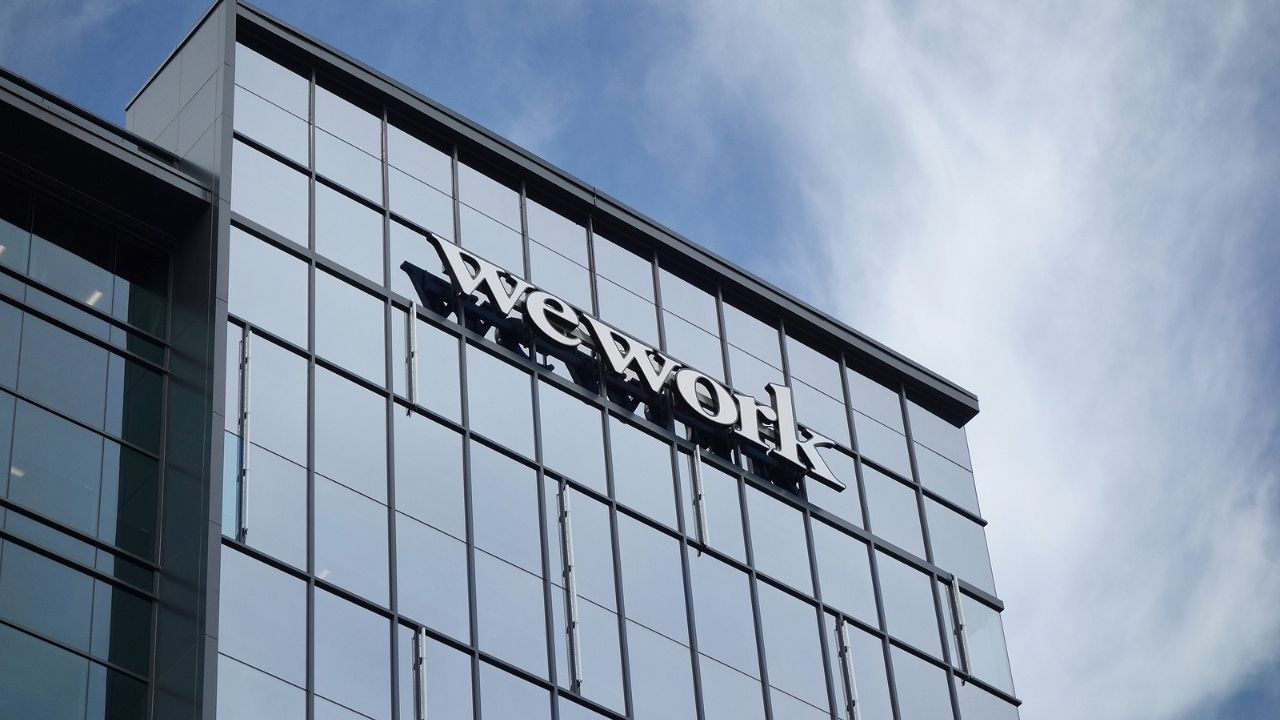

Flexible workspaces have largely been embraced by the commercial real estate world, but as it becomes more mainstream, experts are trying to identify which flexible models work the best.
“In every market you’ll see providers who don’t quite make it because they didn’t get their pricing or branding right,” said Ben Munn, global head of flexible space at JLL. “It is a very competitive market, so we shouldn’t be surprised to see some providers challenged.”

Despite the uncertainty of what the flexible office model is, demand for them continues to be strong across the board. In fact, JLL predicts that flexible workspaces will take up 30% of U.S. office stock by 2030.
Still, how operators model their workspaces is important to potential customers. While coworking is the well-known choice, other flexible office brands are thriving.

For example, International Workplace Group has started expanding its footprint through a franchising model.
Additionally, some landlords are offering their own flexible workspace brands and building out an in-house team to manage the spaces. Other flexible workspace providers are partnering up with landlords through an operator’s own branding, or “white label” spaces with no provider branding that allows the flexible workspace to appear integrated with the landlord’s offering.
Moving forward, Munn expects that landlords will lean more towards management contracts or partnerships and that more consolidation will likely take place.