



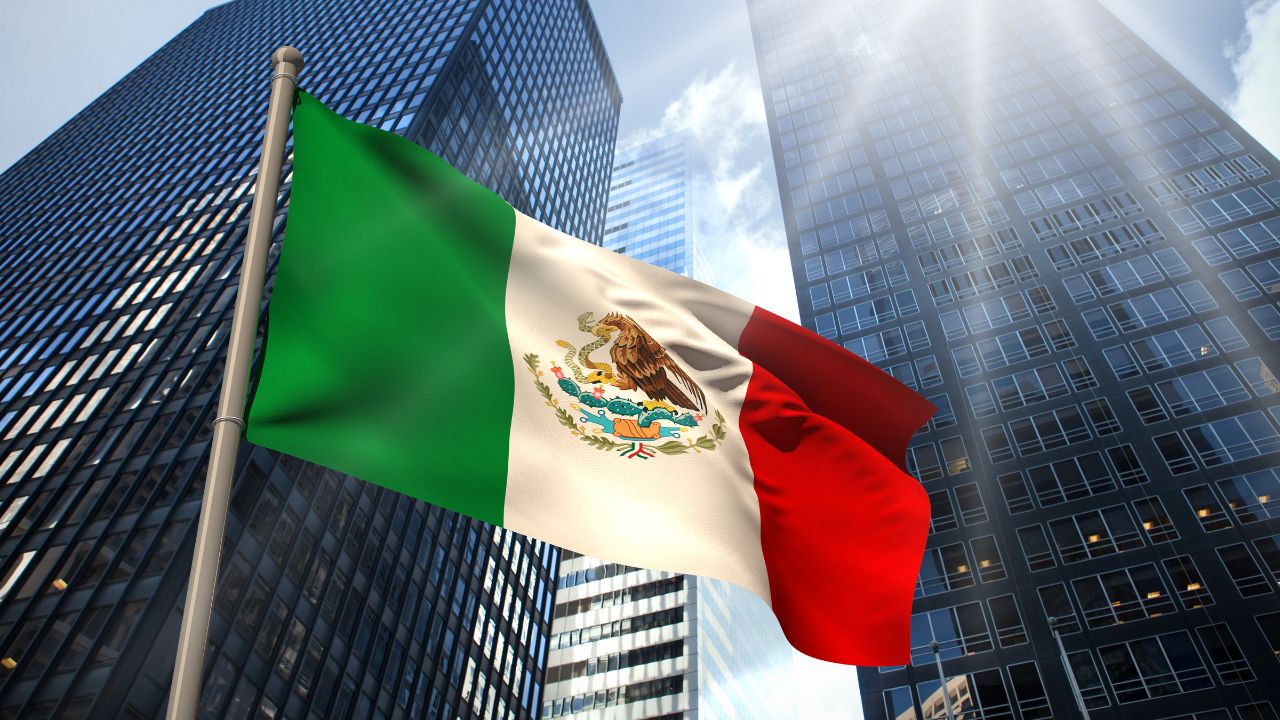
In a decision that may ripple far beyond its borders, Mexico’s Supreme Court has ruled that creations generated entirely by artificial intelligence (AI) are part of the public domain, meaning they cannot be protected by copyright or intellectual property laws, according to Mexico Business News.
The case was sparked when Gerald García Báez tried to register the copyright for an avatar of himself created with the AI tool Leonardo AI. His request was denied by the Mexican Copyright Office, which argued the work lacked “human authorship.” The matter eventually reached the Supreme Court due to its national importance.

In its final ruling, the Court stated that only human beings can be recognized as authors under current intellectual property law. Judges emphasized that creativity must originate from “human experience, emotion, and intellect,” characteristics that AI currently lacks.
As a result, any work created entirely by AI is not eligible for protection and can be freely used for commercial or non-commercial purposes by anyone.
Why This Matters for the Future of Work
This ruling places Mexico among a growing list of countries — including the U.S. — that are drawing clear legal lines between human and machine creativity. And it raises critical questions for professionals, creators, and businesses operating in the new world of work:
- Can businesses truly “own” AI-generated content?
- Will this discourage investment in AI-generated media and design?
- What happens to industries that rely heavily on AI tools, from marketing to architecture to entertainment?
The decision reinforces the idea that AI is a tool, not an author. But as the boundaries between human and machine input continue to blur — especially with the rise of generative AI in the workplace — new frameworks may be needed to define authorship, compensation, and ownership.
A Wake-Up Call for Creatives and Companies
If you’re building a brand, launching a product, or creating content with AI tools, this ruling is a reminder: Without significant human input, your work may not be legally yours. That could open the door to duplication, plagiarism, or even competitors repurposing your AI-generated materials.
For employers, freelancers, and content agencies, this signals a need to rethink contracts, disclosures, and creative processes in order to maintain ownership and protect assets.
In the future of work, where AI is becoming a creative partner, human involvement is as important ethically as it is legally essential.