



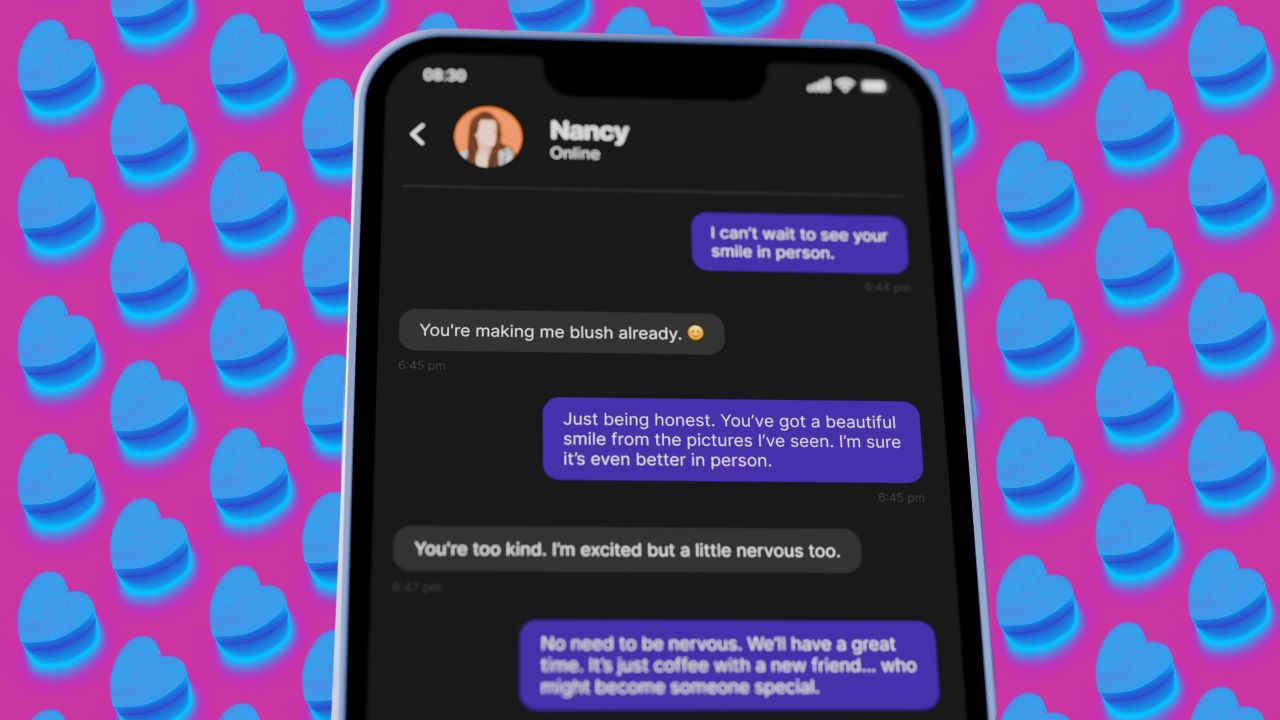
In a traditional office, the physical separation between personal and professional interactions created natural boundaries. But as workplaces shifted to remote and hybrid models, those lines have blurred. Now, private Slack messages, spontaneous video chats, and emoji-filled conversations are opening the door to romantic connections, along with new ethical concerns.
Romance in the workplace is nothing new, but the digital nature of today’s work environment has changed how these relationships begin, unfold, and impact company culture. In remote settings, where casual interactions are limited to DMs and video calls, it’s easier for relationships to form under the radar. What’s less clear is where professional boundaries end and personal feelings begin.

Digital Proximity Breeds Connection and Complication
When employees no longer gather around a breakroom table or head out for happy hour, it might seem like workplace romance would fizzle. In reality, the opposite is happening. A recent Zety survey found that 86% believe remote work actually makes it easier to form romantic connections with coworkers. A similar number said emojis and GIFs help facilitate flirting.
This raises an important question for leaders and HR professionals: Are existing policies built to handle relationships that start over chat messages and video calls? And what ethical guardrails are needed when these connections form outside traditional office settings?

Power Imbalances Don’t Disappear Online
One of the most pressing concerns in any workplace romance is the power structure. Whether between peers or a manager and direct report, the potential for favoritism, retaliation, or perceived bias can affect morale and decision-making.
Remote work can make these relationships harder to detect. Without the context of in-person interactions or visible hierarchies, involvement between people with unequal authority may go unnoticed. Zety’s report found that 41% of those who’ve been in a workplace romance said their most recent relationship involved a supervisor or manager. More concerning, 91% admitted to using flirting or charm to gain career advantages.
Undisclosed relationships, especially those involving leadership or HR professionals, can erode trust and create ripple effects across teams.
The Slack-to-Spark Pipeline
It’s not just where we work that has changed, but how we communicate. Platforms like Slack, Teams, and Zoom have become the new watercoolers. Their informal tone encourages casual banter that can sometimes cross professional lines.
According to Zety’s survey, 62% of employees have either sent or received flirtatious messages through these platforms. One in four said they know multiple coworkers who used dating apps to initiate romantic connections with colleagues. Nearly 80% reported either sending or witnessing romantic messages accidentally shared in the wrong chat or group.
While often seen as harmless, these interactions highlight the need for companies to provide clear guidance around digital etiquette and professional communication.
What Role Should HR Play?
Despite how common these relationships are, there’s often uncertainty around when, or if, to disclose them. Zety found that 94% of employees say their workplace has a formal policy addressing romance at work. Yet many employees feel uncomfortable reporting a relationship, especially when working remotely.
Remote settings can limit a company’s visibility into these situations. Still, more than half of employees said they believe serious relationships and casual dating should be reported to HR. This suggests that, with the right policies in place, workers are open to transparency.
It’s also worth noting that 96% of employees who had workplace romances said they tried to keep their relationship private. That statistic reinforces the need for clear communication about what’s expected and what’s at stake.
Transparency Builds Trust
Romantic relationships aren’t inherently unprofessional. The issue lies in secrecy, favoritism, and unequal treatment. Even in remote environments, leaders need to ensure that transparency and accountability are prioritized.
That means updating romance policies to reflect digital workplaces, educating managers on how to handle disclosures, and encouraging open conversations without fear of judgment. Culture plays a key role. If employees feel safe and supported, they’re more likely to be forthcoming.
The Future of Work Includes the Personal
Love is part of life. As the workplace continues to evolve, so too will the relationships formed within it. That doesn’t mean employers need to monitor every conversation, but it does require thoughtful consideration of how digital tools can blur lines between appropriate and inappropriate behavior.

The modern workplace romance is happening on screens and in chat threads, often outside the physical view of company leadership. That makes it even more important to create a culture of trust, clarity, and respect.
We can’t stop people from forming connections. What we can do is provide them with a workplace where those connections don’t compromise fairness, productivity, or professionalism.