



Perhaps the greatest trick performed by Adam Neumann, the former CEO of WeWork was to persuade investors, led by Softbank, that WeWork was a high growth company deserving a high Price Earnings Ratio. In that way the massive valuation of the company could be justified because its high growth would supposedly generate huge profits in the future along the lines of Amazon or Nvidia.
The truth is somewhat less exciting. The coworking business is one of slow, painstaking growth which comes location by location, room by room and desk by desk.

The true nature of this industry is clear from even a brief analysis of the half year results of IWG plc which came out this week. The results were good, with the Key Performance Indicators all moving in the right direction with Revenues, Adjusted EBITDA and Cashflow all up and core overheads flat, demonstrating the economies of scale that justify continued expansion and a reduction in Net Debt.
How did the stock market react? The share price fell by around 17%.

Given the obvious progress in the numbers, what could be the problem? Why did the price fall so far, so fast? In market conditions that are generally benign, where stock prices are stable or rising, a fall of that amount indicates that investors are disappointed; they were hoping for something better.
What were investors hoping for? To understand we need to go back to the Covid era.
IWG’s share price peaked at £4.70 (worth $6.11 at that time) on January 20th. 2020. The company took a huge hit during Covid as most of its locations were closed due to the pandemic and the share price plummeted as a result.
The trough was reached on October 20, 2022 when it fell to £1.18 ($1.35) and it has clawed its way back to £2.28 over the last three years (equivalent to $3.08) prior to this week’s fall.
IWG’s CEO Mark Dixon, for whom I have a lot of respect, despite the fact that over the years he has offered me three different jobs and not followed through on any of them, is well known as an escape artist.
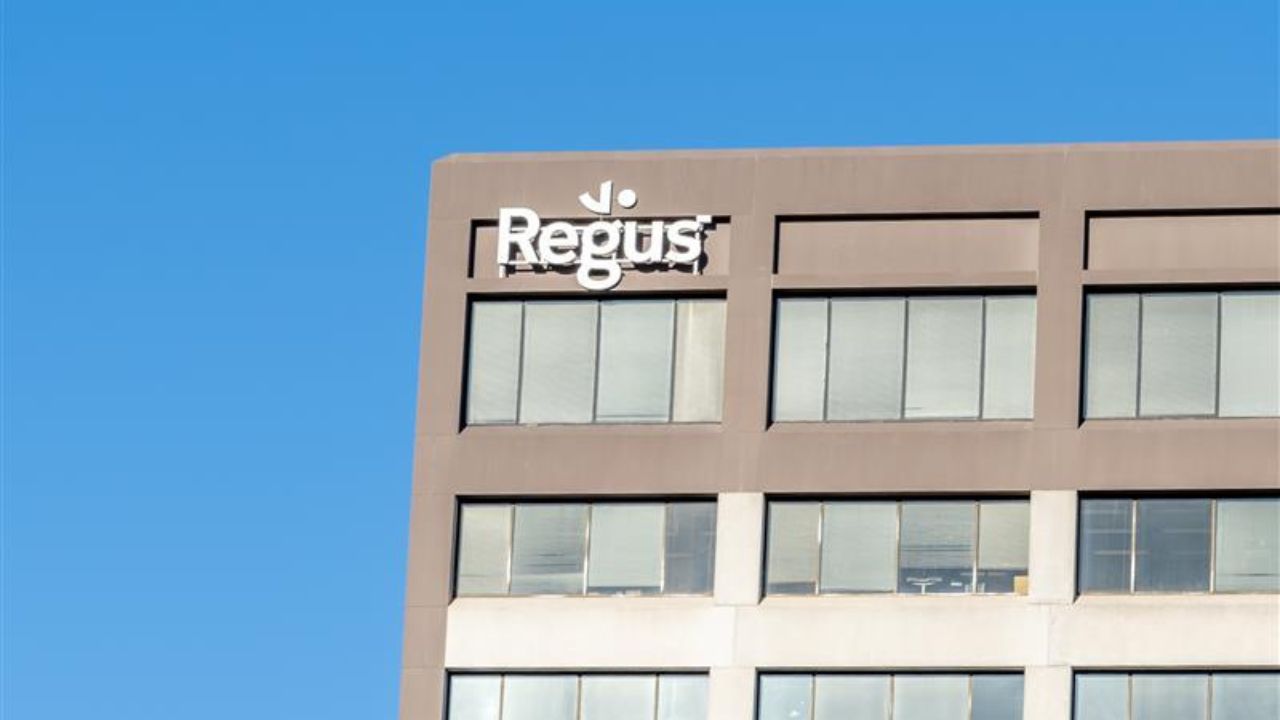
He rescued the company that was then called Regus from the ruins of the dot.com crash in the early 2000s with a clever strategic move, and has kept it safe from the vagaries of the real estate market ever since.
I imagine him in the dark days of Covid wondering what to do next, asking himself what the best strategy was to get the profitability back up to where it was and the share price back to the heady days of early 2020. Let us try and understand what has happened.
First let’s agree on the basics. In that phrase beloved of our economist friends, “all other things being equal,” the biggest determinant of profitability in the coworking industry is scale.
In coworking, bigger usually is better. However, the problem with growing any kind of real estate-based business is that it is capital intensive because acquiring real estate is costly, and unless you can persuade Masayoshi Son, as Adam Neumann did, that you have invented the next best thing since sliced bread so he should give you $4.5 billion, capital is expensive and hard to come by.
Mark Dixon’s solution to the dilemma of seeking growth but not being able to afford it, was revealed at IWG’s Investor Day in December 2023, when he said that the company was switching to a ‘capital light’ strategy. By this, he meant that rather than opening more IWG owned centres, expansion would come through new management contracts and franchising.
What these models have in common is that the capital required is provided by the partners, rather than by IWG, so from IWG’s point of view the Return on Capital and Return on Investment are much higher, thus boosting the group’s earnings.
So is this new strategy failing? Is that why the shares are down?

No, the strategy does seem to be working, as far as one can tell from the summary from interim results, it is just working very slowly.
By themselves some of the numbers do look good, for example recurring management fees were reported to be up 163% from $7 million to $19 million. The problem is that for a group with a turnover of $2.2 billion, this is small beer.
I do not blame Mark Dixon for the change of course taking time to show results, big companies always move more slowly than investors would like, and in the real estate industry change is particularly difficult to implement.
A second issue is that although the pivot to managed and franchised locations is capital light, it does require some capital investment and investors seem to have concluded that the reason that the interim profits announced were at the lower end of expectations was that this investment was depressing returns.

To the extent that IWG is delaying gratification by investing for the future, is this really a bad thing? Part of the problem I think is that investors have never really taken to Mark or given him the credit for what he has achieved. Perhaps he believes that switching the company’s primary listing to the NYSE will change that, but I have my doubts.