



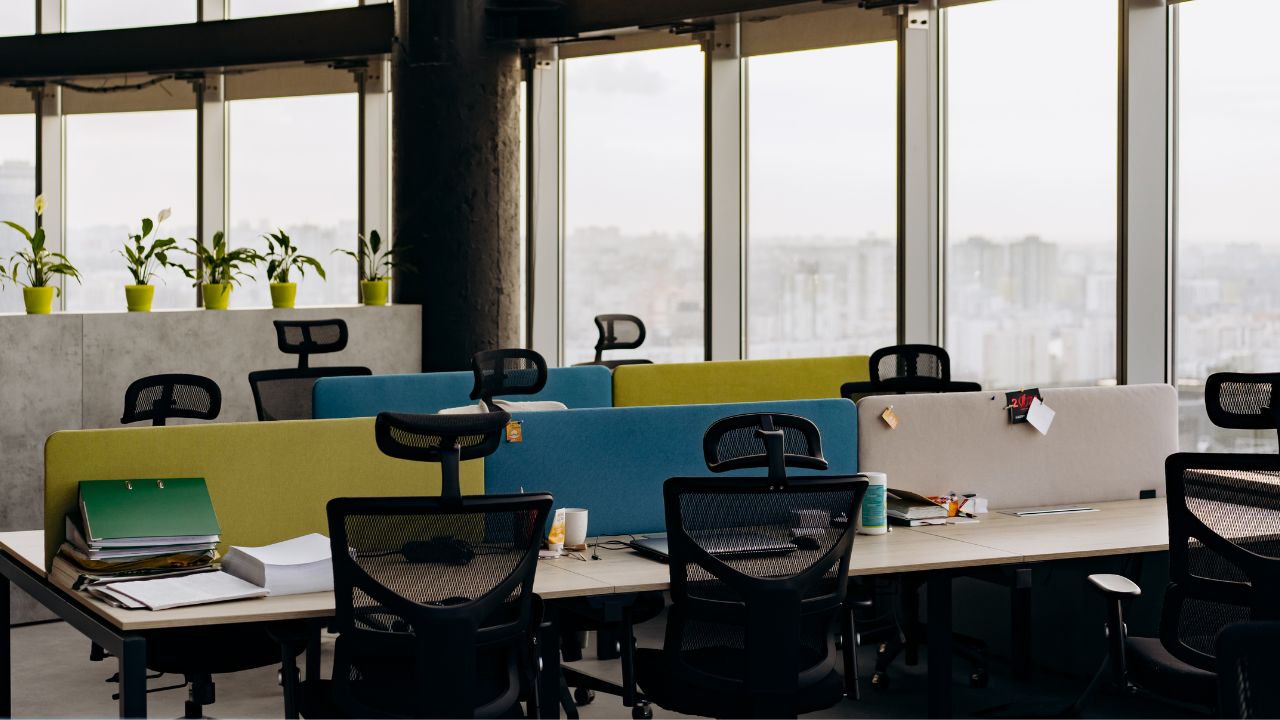
The U.S. office market has hit a critical point, with vacancy rates soaring to historic highs and creating major challenges for property owners and lenders, according to Reuters.
Remote work and hesitant returns to the office continue to drive this, severely impacting commercial real estate in key cities. Moody’s Analytics reports that national office vacancies climbed to 20.7% in Q2, marking a structural change rather than a temporary dip in demand.

Major urban centers are feeling the strain unevenly. San Francisco’s office vacancy rate has surged to 27.7%, a stark jump from 8.6% before the pandemic. Downtown New York and Charlotte also report alarmingly high vacancy rates near 23%, surpassing the national average.
Even suburban office parks, once expected to benefit from work decentralization, face rising vacancies. Tenants are gravitating toward high-end, Class A buildings with premium amenities, leaving older properties empty.

The fallout extends beyond empty buildings. Landlords face declining rental income alongside growing debt pressures, with $290 billion in office-related loans maturing by 2027. This threatens a wave of defaults, particularly for regional banks heavily invested in commercial real estate.
Cities are also impacted, as shrinking property tax revenues strain public services like schools and transit, potentially creating a vicious cycle that further discourages office demand.
In response, developers are changing up their strategies. Many are repurposing vacant office space into residential units — 149 million square feet nationwide are earmarked for conversion. Philadelphia’s proactive approach, converting over 1 million square feet, has helped stabilize its vacancy rate. However, challenges such as zoning laws, building design, and high retrofit costs limit how broadly conversions can address the problem.
Simultaneously, capital is moving away from office construction toward more stable sectors like logistics and industrial real estate, driven by e-commerce growth. While industrial vacancy rates have ticked up to 7.1%, demand remains strong for modern facilities.
The U.S. office market faces a fundamental transformation. The era of speculative office skyscraper development is ending, replaced by a need for more flexible, mixed-use spaces that reflect a changed work environment where offices are just one option among many.