



During the pandemic, as many office tenants vacated their spaces, landlords quickly transformed empty floors into gyms, lounges, and other amenity-rich environments to attract workers back. Now, as New York City’s office leasing picks up, industry experts are questioning if the amenity boom has gone too far, according to BisNow.
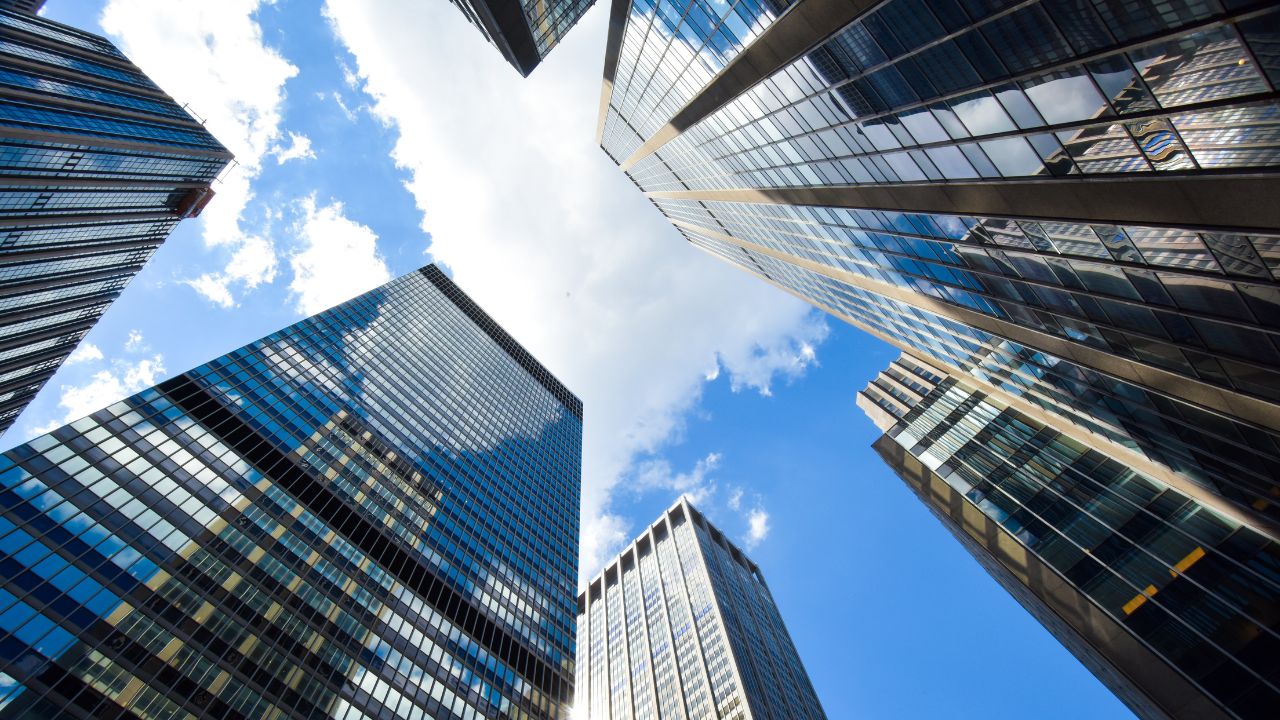
Leasing activity in Manhattan is surging, hitting 8.4 million square feet in the second quarter, with Class-A spaces accounting for 6.9 million, which is the highest quarterly total since 2011. This growth has driven rents higher, prompting tenants to expand their search beyond Midtown and reconsider their priorities.

A CBRE survey reveals that practical factors like transportation access and food and beverage options matter most to tenants, influencing over 85% and 75% respectively. Correspondingly, office buildings near transit hubs such as Penn Station, World Trade Center, and Rockefeller Center show the lowest vacancy rates — around 17% to 21%, compared to the citywide 23%.
Surprisingly, many popular amenities don’t weigh heavily in tenant decisions. Nearly half say outdoor space is not important, and over half downplay the impact of fitness centers, daycare, or building technology apps. This has led to concerns about underused, costly spaces filled with multiple overlapping amenities.

Experts advocate for focusing on fewer, well-executed features that meet real tenant needs. They also emphasize the importance of maximizing amenity use beyond traditional work hours.
Strategies include turning cafes into evening bars, opening rooftops to the public, and integrating food ordering apps, turning offices into active community hubs.
In leasing deals, landlords are increasingly collaborating with tenants upfront to tailor spaces and amenities more closely to their needs, despite higher costs. Flexible workspace providers like Convene take a different approach, offering brands designed around tenant types rather than customized build-outs.
Ultimately, the shift is toward balancing amenity investment with genuine demand, creating office environments that serve tenants efficiently without excess.