



Advertisements
Yardi Kube
Advertise With Us
Thursday, April 2, 2026
Explore
Allwork.Space
No Result
View All Result
Newsletters
  • Latest News
  • Leadership
  • Work-life
  • Coworking
  • Design
  • Career Growth
  • Tech
  • Workforce
  • CRE
  • Business
  • Podcast
  • MoreNew
    • Urban DictionaryNew
    • Expert Voices
    • Daily Brief NewsletterNew
    • Weekly Brief NewsletterNew
    • Product RoundupsNew
    • Advertise With Us
    • Partner Portal
No Result
View All Result
Newsletters
Allwork.Space
No Result
View All Result
  • Home
  • News
  • Leadership
  • Work-life
  • Coworking
  • Design
  • Workforce
  • Tech
  • CRE
  • Business
  • Podcast
  • Career Growth
  • Newsletters
Advertisements
Stop Juggling Tools - Yardi Kube
Home News

Cruz Regulatory ‘Sandbox’ Plan Could Accelerate AI Innovation — And Future Risk

Bill would let AI firms seek two-year exemptions from federal rules, sparking debate over oversight and safety as federal agencies and states diverge on how to regulate emerging technology.

Allwork.Space News TeambyAllwork.Space News Team
September 10, 2025
in News
Reading Time: 2 mins read
A A
Cruz Regulatory ‘Sandbox’ Plan Could Accelerate AI Innovation — And Future Risk

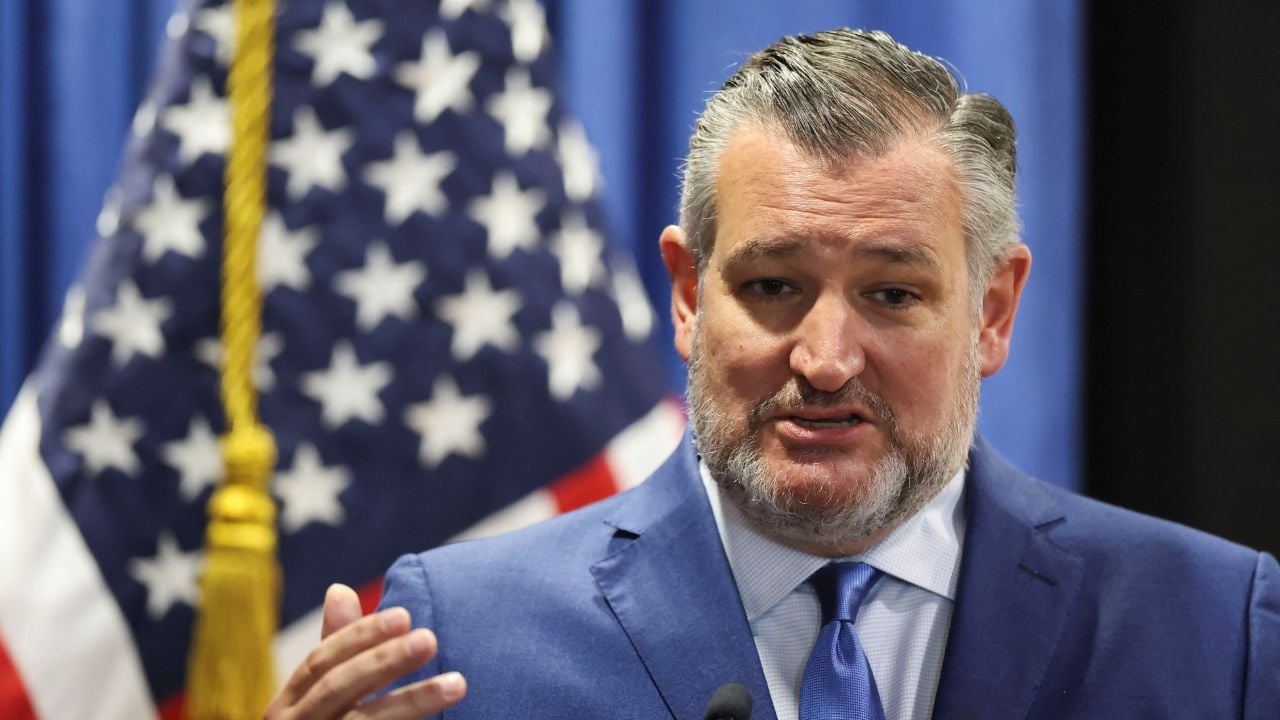
U.S. Senator Ted Cruz (R-TX) speaks during a press conference at the U.S. Embassy, in Mexico City, Mexico, August 29, 2025. REUTERS/Eloisa Sanchez/File Photo

Republican U.S. Senator Ted Cruz introduced a bill on Wednesday that would let artificial intelligence companies apply for exemptions from federal regulation to help them experiment in developing new technology.

Cruz leads the Senate Commerce Committee, which held a subcommittee hearing on Wednesday about ways Congress can lower regulatory hurdles for the tech industry to give U.S. companies a boost in competing with China.

Advertisements
Your Brand Deserves The Spotlight - Advertise With Us - Allwork.Space

“A regulatory sandbox is not a free pass. People creating or using AI still have to follow the same laws as everyone else,” Cruz said at the hearing.

If passed by Congress, the bill would allow agencies that oversee federal regulations to consider applications from companies to be exempt from regulations for two years at a time, and require companies to outline the potential safety and financial risks and how they would mitigate them.

Advertisements
Deel - Upgrade your global team management

Leading AI companies including OpenAI, Alphabet’s Google and Meta Platforms have called on the Trump administration to lower regulatory barriers for AI development, and the White House’s Office of Science and Technology Policy has said it will gather public comment on what regulations pose hurdles to the industry.

Federal regulators oversee rules meant to ensure health data privacy, transportation safety, financial market stability and more.     

Consumer rights advocacy group Public Citizen said the proposal “treats Americans as test subjects” and raised concerns about provisions in Cruz’s bill that would allow OSTP to override agencies’ denial of regulatory waivers.

“The sob stories of AI companies being ‘held back’ by regulation are simply not true and the record company valuations show it,” said J.B. Branch, Public Citizen’s Big Tech accountability advocate.
Advertisements
Alliance Virtual Offices - Automate Revenue Ops

Cruz’s sandbox bill does not include a ban on state regulation, something that the tech industry has sought and the White House has said is necessary to boost innovation. A bid to put a 10-year moratorium on state regulation in place as part of President Donald Trump’s tax-and-spending bill was defeated in the Senate on a 99-1 vote in July.

States have enacted a variety of laws on AI. Several states have criminalized the use of AI to generate sexually explicit images of individuals without their consent. California prohibits unauthorized deepfakes in political advertising and requires healthcare providers to notify patients when they are interacting with an AI and not a human.

Colorado passed a law last year aimed at preventing AI discrimination in employment, housing, banking and other consequential consumer decisions. The tech industry has lobbied for changes to the law, and the state legislature recently pushed forward its implementation to mid-2026.

“These types of very anti-innovation regulations are a huge problem for our industry,” OSTP director Michael Kratsios said at the hearing, adding that Congress should revisit the possibility of preempting state laws.

“It’s something that my office wants to work very closely with you on,” he told Cruz at the hearing. 

(Reporting by Jody Godoy in New York; Editing by Franklin Paul, David Gregorio, Nia Williams and Nick Zieminski)

Advertisements
Your Brand Deserves The Spotlight - Advertise With Us - Allwork.Space
Source: Reuters
Tags: AINorth AmericaTechnology
Share6Tweet4Share1
Allwork.Space News Team

Allwork.Space News Team

The Allwork.Space News Team is a collective of experienced journalists, editors, and industry analysts dedicated to covering the ever-evolving world of work. We’re committed to delivering trusted, independent reporting on the topics that matter most to professionals navigating today’s changing workplace — including remote work, flexible offices, coworking, workplace wellness, sustainability, commercial real estate, technology, and more.

Other Stories Recommended For You

U.S. Private Payrolls Increase by 62,000 in March, Exceeding Expectations
News

U.S. Private Payrolls Increase by 62,000 in March, Exceeding Expectations

byAllwork.Space News Team
14 hours ago

U.S. private payrolls increased steadily in March, the ADP's national employment report showed on Wednesday. Private employment rose by 62,000...

Read more
Oracle Lays Off Workers as AI Investment Accelerates and Restructuring Costs Climb to $2.1 Billion

Oracle Lays Off Workers as AI Investment Accelerates and Restructuring Costs Climb to $2.1 Billion

14 hours ago
Listening Infrastructure Could Become Work's Most Valuable AI Use

Listening Infrastructure Could Become Work’s Most Valuable AI Use

24 hours ago
U.S. Job Openings Dip Below 7 Million, as Hiring Slows to Six-Year Low

U.S. Job Openings Dip Below 7 Million, as Hiring Slows to Six-Year Low

2 days ago
Advertisements
Alliance Virtual Offices - Automate Revenue Ops
Advertisements
Workspace Geek -Coworking and flex space management, made simple

The Future of Work® Newsletter helps you understand how work is changing — without the noise.

Choose daily or weekly updates to stay current, and monthly editions to explore worklife, work environments, and leadership in depth.

Trusted by 22,000+ leaders and professionals.

2026 Allwork.Space News Corporation. Exploring the Future Of Work® since 2003. All Rights Reserved

Advertise  Submit Your Story   Newsletters   Privacy Policy   Terms Of Use   About Us   Contact   Submit a Press Release   Brand Pulse   Podcast   Events   

No Result
View All Result
  • Home
  • Latest News
  • Topics
    • Business
    • Leadership
    • Work-life
    • Workforce
    • Career Growth
    • Design
    • Tech
    • Coworking
    • Marketing
    • CRE
  • Podcast
  • Urban Dictionary
  • About Us
  • Advertise | Media Kit
  • Submit Your Story
Newsletters

Welcome Back!

Login to your account below

Forgotten Password?

Retrieve your password

Please enter your username or email address to reset your password.

Log In
This website uses cookies. By continuing to use this website you are giving consent to cookies being used. Visit our Privacy and Cookie Policy.
-
00:00
00:00

Queue

Update Required Flash plugin
-
00:00
00:00