



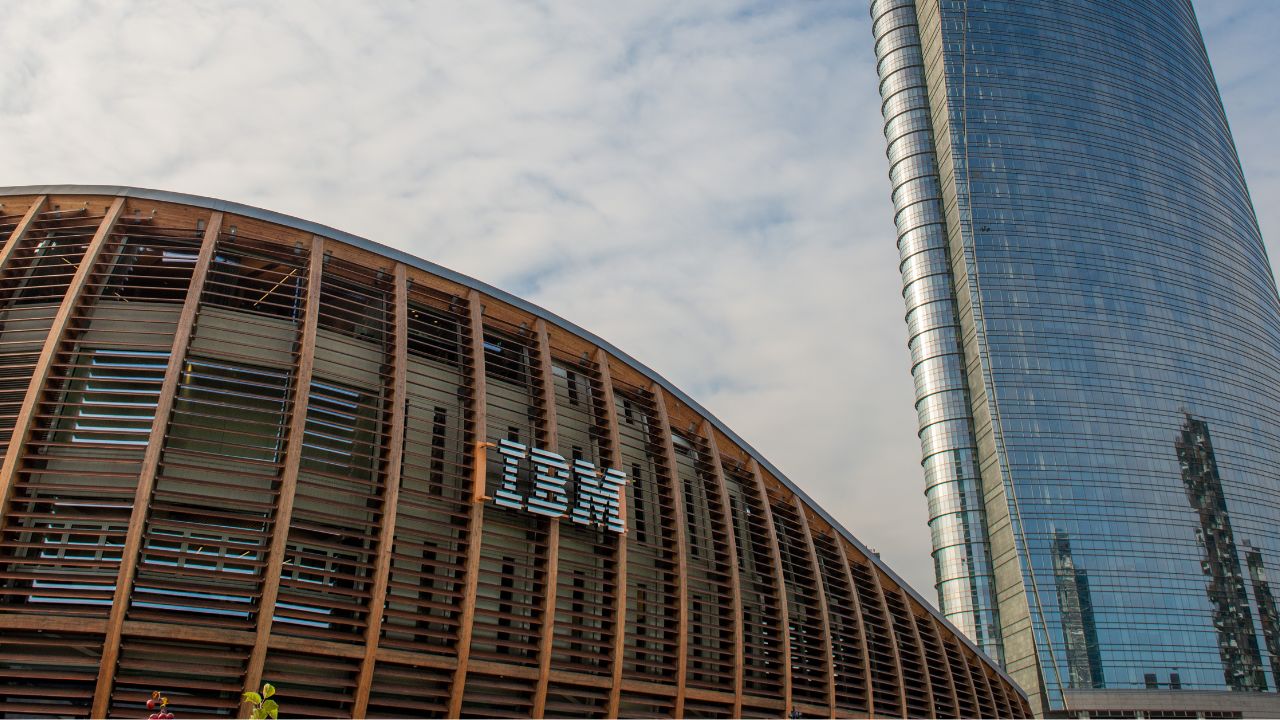
IBM and Anthropic have announced a new partnership aimed at embedding Anthropic’s Claude large language model (LLM) into IBM’s software products, according to IBM. The integration is intended to support enterprise developers by improving productivity, code quality, and automation, while staying aligned with corporate security and compliance needs.
The first application of the partnership is a new AI-powered development environment from IBM, currently being tested by select enterprise clients. According to internal figures, more than 6,000 IBM users have trialed the new tool and reported average productivity gains of 45%.

Quiet Automation for Complex Development Tasks
The integrated development environment (IDE) is designed to handle various stages of software work — from code generation to review, testing, and deployment. It supports multiple programming languages and is tailored to large organizations managing complex or legacy systems.
Managers Still Want AI That Plays by the Rules
Unlike consumer-facing AI tools, enterprise environments often require more rigid control around data handling, deployment, and oversight. IBM’s role in the collaboration is focused on aligning Claude’s capabilities with those requirements, drawing on its experience in delivering software for regulated industries and hybrid cloud systems.
Preparing for AI Agents in Enterprise Workflows
The companies also introduced a new framework for organizations planning to use autonomous AI agents in business environments. A technical guide published by IBM and reviewed by Anthropic outlines how to design and maintain AI agents in a way that fits existing IT structures.
The model, referred to as the Agent Development Lifecycle (ADLC), is meant to help companies avoid security and operational gaps as they adopt AI-driven automation.
Future Expansion and Open Standards
IBM has plans to extend Claude’s integration to other software tools in its portfolio. The company is also contributing to the open-source Model Context Protocol (MCP) community, offering internal assets like reference architectures and tooling aimed at standardizing safe, scalable AI use in businesses.
This collaboration marks a growing trend of tech companies pairing AI labs with established enterprise software providers to address real-world constraints — bringing automation to systems that still require human oversight and rigorous compliance.