


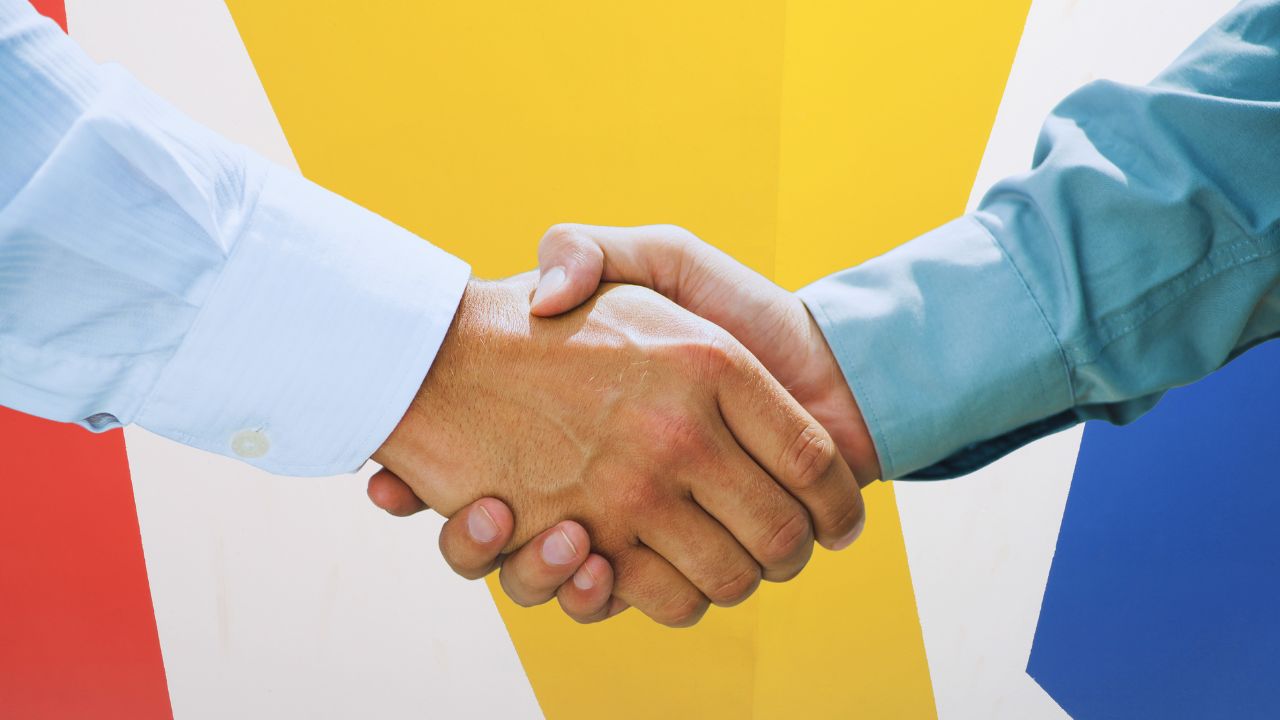
Not long ago, trust began with a handshake. You showed up early, made eye contact, and stayed late. Trust was built in person: it was physical, almost automatic.
For years, proximity carried the weight of relationships. Workplace culture grew in shared spaces. Accountability was tied to visibility. Being trusted often meant being present. Simply being in the room was enough to be seen, heard, and remembered.

But that’s no longer the case.
Today, AI can mirror our voices, compose our emails, craft slide decks, and even deliver personalized video messages on our behalf. Tools now exist to create hyper-realistic avatars, enabling communication without ever being “present.”
So now, seeing someone’s face or hearing their voice isn’t proof they were actually involved. Being productive no longer equals being trustworthy.
We’ve delegated presence, but we haven’t replaced connection.
That’s the real challenge.
Because trust hasn’t lost its value. If anything, it’s become more scarce and more essential.

Trust: Your Most Human Asset
AI is designed to perform tasks fast, accurately, and at scale. But trust? That’s still deeply human. It thrives in emotional terrain: vulnerability, reliability, and empathy. It’s shaped through experience and crumbles in silence or mixed messages.
The leaders who stand out today aren’t out-producing machines. They’re building belief — something only people can do.
Michael Litt, CEO of Vidyard, summed it up during a discussion on the evolving workplace on The Future of Less Work podcast: “What is brand — personal or corporate? It’s trust. That’s all it is.”
Whether you’re building a business, growing a career, or running a team, your brand is what people believe about you when you’re not in the room. That belief isn’t based on volume, but rather grounded in authenticity.
In a world where anyone can hit “generate,” trust is what makes the message matter.
Even as AI tools take over more content creation, human connection still belongs to us. Litt noted, “The relationship building, the trust building… that’s where human-to-human interaction matters most.”
We don’t need to repeat ourselves 10 times a day. We need to make people feel seen, understood, and confident in their decision to work with us. Ironically, that might require revisiting more traditional ways of connecting — the flights, face-to-face meetings, and shared moments AI can’t replicate.
As more of our output becomes automated, relationships rise in importance.
No matter how polished the content, trust is emotional and is built through real presence — the kind you can’t delegate.
In the AI era, relevance won’t hinge on how much you produce, but how deeply others trust you.
Do you follow through? Are your words backed by action? Are you showing up in meaningful ways, even when you’re not on screen?
Building Trust in the Age of AI
So how do we build trust in the modern era?
Start with your communication. Don’t let tools erase your voice. Whether it’s an email, message, or proposal, infuse your personality, values, and tone. Make it unmistakably yours.
Next, be consistent. You don’t have to be available 24/7. But when your presence is needed — when something’s unclear or momentum stalls — people need to know they can count on you. In a world filled with automation, reliability is an unmistakably human trait.
Then, practice meaningful visibility. The modern challenge isn’t showing up to every Zoom. It’s being intentionally present when you’re not physically there. That means thoughtful gestures: timely replies, helpful insights, or remembering a detail that mattered to someone else.
Avoid performative presence. When you engage, whether in a meeting, message, or thread, try to bring value. Ask smart questions, show support, flag risks. These are the interactions that build credibility and trust, not just in your skills, but in your judgment.
Trust lives in the small things: asking a follow-up that shows you listened, adding a thoughtful point that connects your work to someone else’s, or checking in weeks later on something no one else remembered.
For remote workers, hybrid teams, and those navigating digital transformation, this is the edge: being present even when unseen. In today’s world, credibility isn’t earned by showing up — it’s earned by paying attention.
And yes, lean into the tools. Don’t avoid AI, but use it wisely and ethically. But don’t let it erase you. The more AI can do, the more important it is to show what only you bring to the table. Let it amplify your thinking, but you decide what matters.
The future of work isn’t about the fastest output or the loudest presence. It’s about trust. Trust turns moments into momentum, ideas into influence, and automation into advantage. In a world where anyone can mimic you, being truly yourself is the most powerful move you can make.