



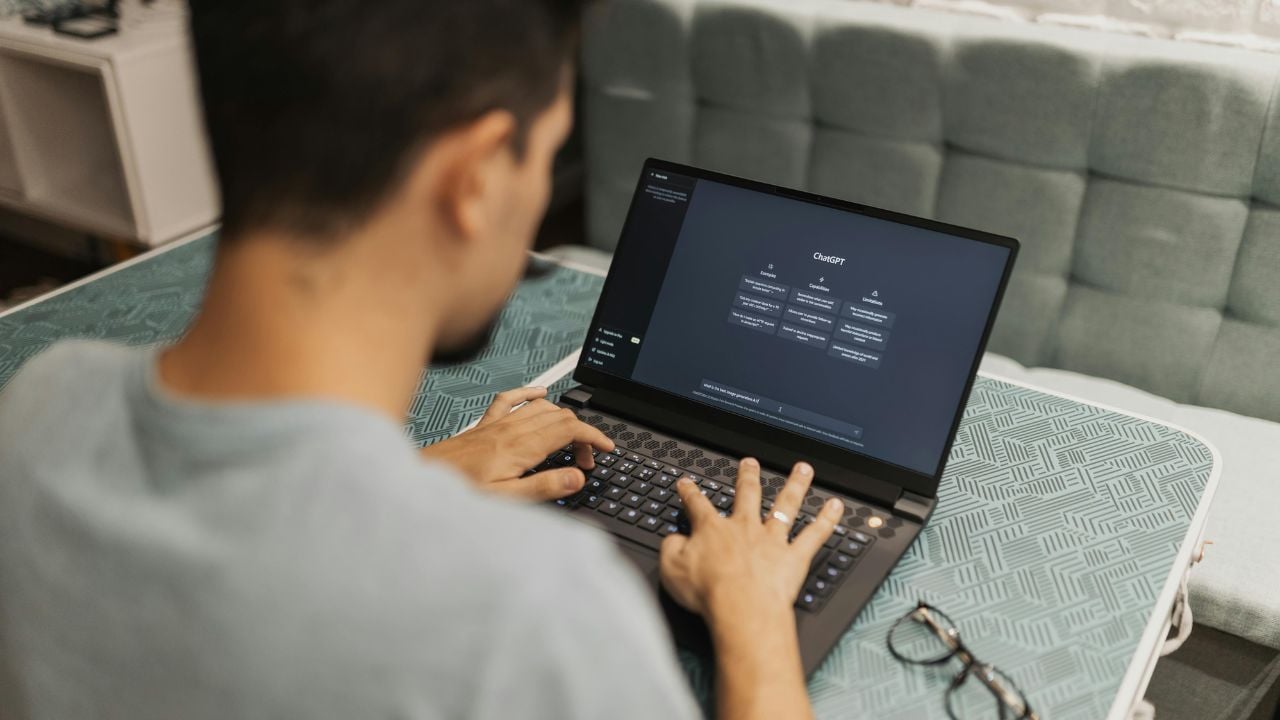
Google Workspace’s latest research shows a clear split in comfort levels with AI. Workers in their twenties and thirties are using AI tools as naturally as they use messaging apps or cloud docs. To them, AI is becoming the foundation of how they draft, plan, code, design, and communicate.
Older employees, meanwhile, are more likely to see AI as a tool they must learn rather than one that fits seamlessly into their workflows. Google says this tension mirrors earlier tech shifts — like when real-time document collaboration replaced emailed files — but on a much larger scale, according to Fortune.

Younger Professionals Want Personalization, Not Generic Output
One of the strongest findings: rising leaders want AI that adapts to them. According to the study, about 9 in 10 younger workers say high-quality AI must reflect their voice, style, and preferences. They no longer accept one-size-fits-all results.
They’re already customizing prompts, tailoring workflows, and using AI to build things they otherwise wouldn’t have the skills to create, including code, visuals, and presentations.
This push for personalization is shaping how Google builds its tools, with a focus on making AI feel integrated rather than a separate feature.
AI Is Becoming a Confidence and Capability Booster
The study also explains how AI is helping close skill gaps. Workers with limited experience in coding, design, or writing are using AI to generate polished work faster.
Non-native English speakers are using AI inside Gmail and Docs to communicate more clearly and confidently. Companies adopting these tools report noticeable improvements in the speed and quality of output.
Google sees AI’s value not just in automation but in expanding who can contribute, regardless of their technical background.
Adoption Still Depends on Culture and Change Management
While younger workers are pushing AI forward, not everyone is moving at the same pace. Some employees struggle with rapid changes, much like the early days of cloud collaboration.
Google acknowledges that as AI becomes embedded across Workspace’s 3 billion users, the challenge is supporting workplaces with dramatically different levels of familiarity and comfort.
The company’s approach: make AI feel like a natural part of email, documents, calendars, and everyday workflows — not a separate layer users must learn.
The Future of Work Is Less About Tools and More About Mindset
The broader takeaway from Google’s findings: the future of work will be shaped not by whether companies adopt AI, but by how easily employees integrate it into their thinking and routines.
Younger workers are already doing this instinctively. Their expectations — personalization, speed, authenticity, native integration — may determine how workplace technology evolves over the next decade.