



Flexible workspace demand continued to grow across Asia-Pacific in 2025 as companies looked for more adaptable office strategies in response to hybrid work and economic uncertainty.
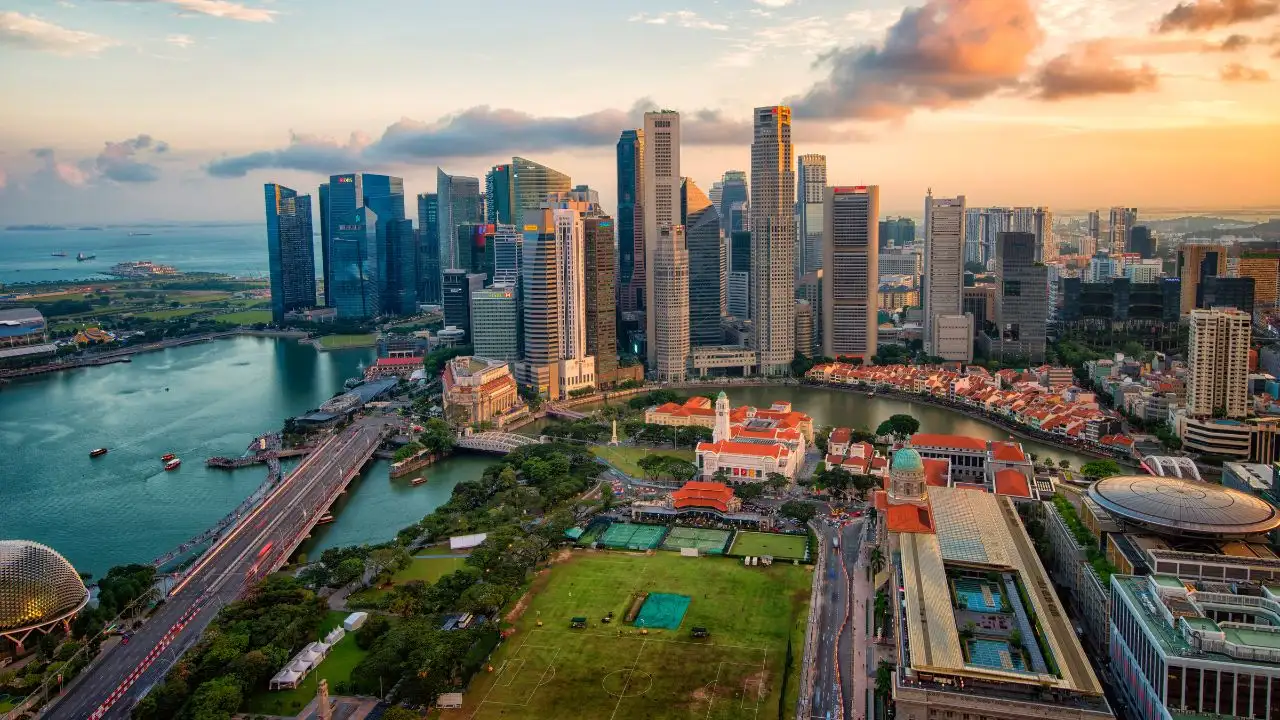
According to new data from flexible workspace marketplace The Instant Group, Singapore recorded a 5% year-over-year increase in flexible workspace demand, placing it ninth out of 10 APAC cities that saw growth during the year.

Enterprise demand drives Singapore’s gains
While Singapore’s growth was more modest compared to regional peers, it was largely driven by enterprise occupiers navigating one of Asia’s most competitive office markets. Companies increasingly turned to flexible models to access high-quality space while avoiding long-term lease commitments, according to Singapore Business.
APAC growth outpaced by emerging markets
Across the region, demand growth varied significantly by market. Manila led APAC with a 51% surge in flexible workspace demand, fueled by multinational firms, business process outsourcing companies, and expanding commercial districts.

Taipei followed with 3% annual growth, supported by activity from small and mid-sized businesses and its technology sector.
The data suggests flexible workspace adoption is accelerating fastest in markets experiencing expansion, decentralization, or rapid workforce growth.
Suburban hubs and hybrid work shape 2025 trends
Beyond city centers, The Instant Group observed rising interest in suburban work hubs located closer to where employees live. These locations gained traction as companies looked to reduce commute times and support more distributed work patterns.
Globally, flexible workspace adoption picked up pace in 2025 as organizations prioritized agility, cost control, and office designs aligned with hybrid work models. The firm expects this momentum to continue into 2026.