


The U.S. office market is entering 2026 with a notable rebalancing. In 2025, inventory removals — including demolitions and conversions — outpaced new construction for the first time since CBRE began tracking the market in 1988. While net absorption fell 14% below the 30-year average, the steep reduction in new supply was enough to drive the first year-over-year decline in overall vacancy in more than five years, according to CBRE’s U.S. Real Estate Market Outlook 2026 report.
Prime Assets Drive Demand Spillover
Tenants continue to favor the highest-quality office space, creating a widening gap between prime and nonprime properties. Downtown prime vacancy fell 1.5 percentage points from year-end 2024 to Q3 2025, compared with a 0.5-point decline in suburban prime properties.

As prime space becomes scarcer, the next tier of assets — those near prime buildings with strong amenities such as transit access and on-site dining — has begun to see rising demand.
Urban Gateway Markets on the Upswing
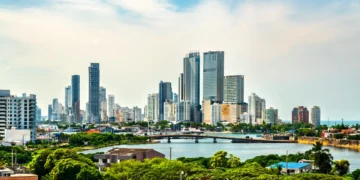
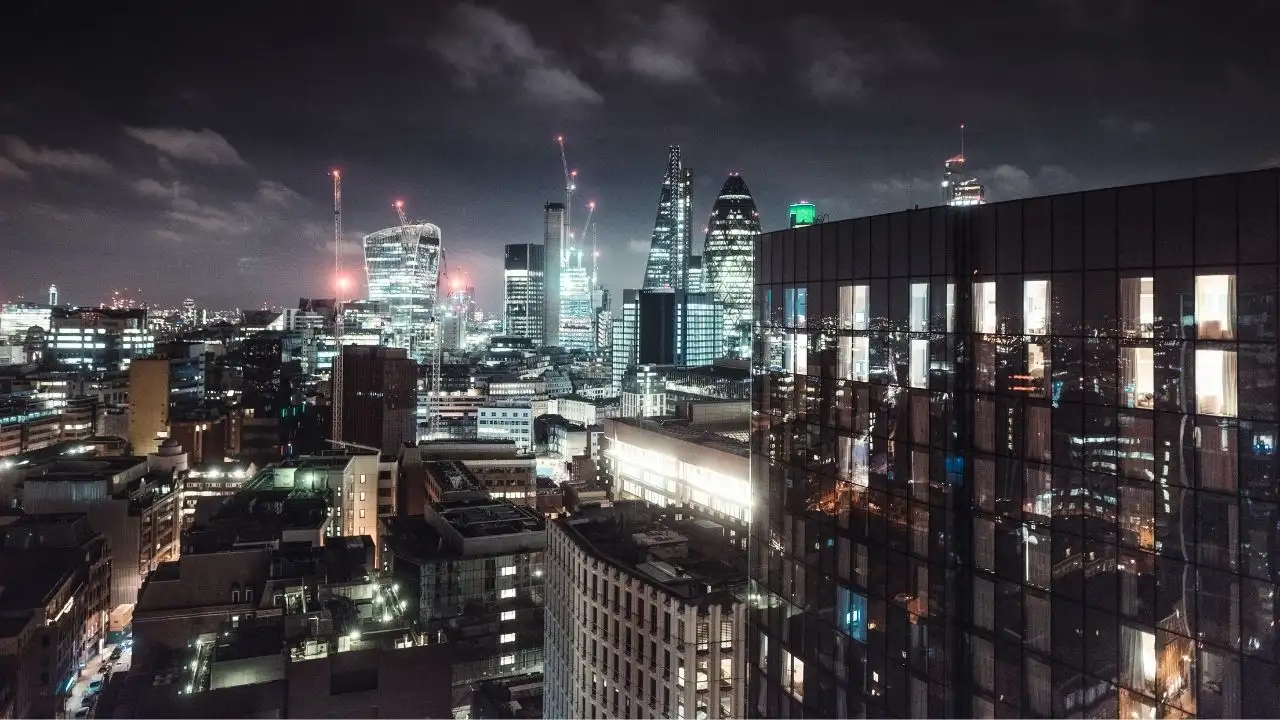
Major urban hubs are regaining attention after years of subdued activity. From 2020 to 2024, downtown leasing represented just 30% of activity despite accounting for 35% of inventory. In 2025, that share rose to 40%, signaling renewed interest in urban locations that offer access to talent pools and business clusters. Markets such as Manhattan, San Francisco, and Dallas are positioned for continued leasing growth in 2026.
AI and Purpose-Driven Offices Shape Occupier Decisions
While artificial intelligence has yet to significantly influence office demand, occupiers are taking a cautious approach to their space planning. Companies are increasingly focused on creating purpose-driven offices that attract and retain employees, blending cutting-edge technology with best-in-class design and amenities.
Buildings that can integrate AI tools, support hybrid workflows, and offer flexible, engaging environments are expected to outperform those that cannot.
Outlook for 2026
Overall leasing activity is projected to exceed 2019 levels, with large users returning to the market and committing a significant share of space in central business districts. Employment growth, particularly in finance and technology, will help determine which markets recover fastest.
With new construction remaining limited, prime vacancy is expected to return to pre-pandemic levels by the end of 2027, while the next tier of assets sees increased demand as occupiers compete for high-quality space.

Implications for the Workforce
As office occupancy rises, employees will see changes in where and how they work. Central business districts are set to become busier, and organizations may leverage high-quality offices to enhance collaboration, productivity, and talent attraction.
Workers in technology, finance, and professional services will likely benefit first from these market shifts, while the scarcity of prime space may influence relocation and commuting patterns for many others.