


Persuading employees to return to the office has been a persistent challenge for years. Hybrid and remote work remain attractive options, but they also offer insights for company leaders looking to improve the desirability of their office space. Exploring those perspectives means being open to innovative ideas and being willing to develop curated solutions for the problem.
One of the main reasons workers are attracted to hybrid and remote work is convenience. People like the comfort and familiarity of being at home while avoiding long commutes. Many parents also value the ability to be present when their school-age children come home, so they can easily address their needs.

Meanwhile, employers believe that bringing their employees back to the office offers the best opportunities for proper training, spontaneous face-to-face interactions within project teams, better productivity, and career growth.
Across industries, retention and engagement are two key metrics that employers want to improve. This is especially true in the technology sector, where office attendance is often monitored to gain insights and identify areas for improvement.
The solution to these conflicting desires begins with asking the right questions.
What do office workers need to be successful, and is today’s office environment truly meeting those needs? Are employers gathering and incorporating employee feedback when making informed decisions about office design? As designers, how effectively are we seeking workplace solutions that benefit both employees and employers? Is there a clear blueprint?
What do workers really want from an office?
The 2026 Gensler Workplace Survey found that employees prefer working in the office, especially when their needs are met.
In the technology industry, 52% of these workers are in an office; 41% collaborate with colleagues either in person or virtually. Among those surveyed, factors that make office spaces more appealing include design, appearance, and atmosphere; noise levels; furniture versatility; the latest technology; and convenient access to quiet areas for focused work.

These statistics should be encouraging to employers, especially when combined with what we know about the convenience of hybrid and remote models.
Workers want professional office spaces, but they need those spaces to be thoughtfully designed and responsive to their professional, personal, and wellness needs. Before arriving at that solution, organizations must first understand their own identity and operational needs, then clarify how they can best support employees.
The more companies invest in their people, the higher the chances of success.
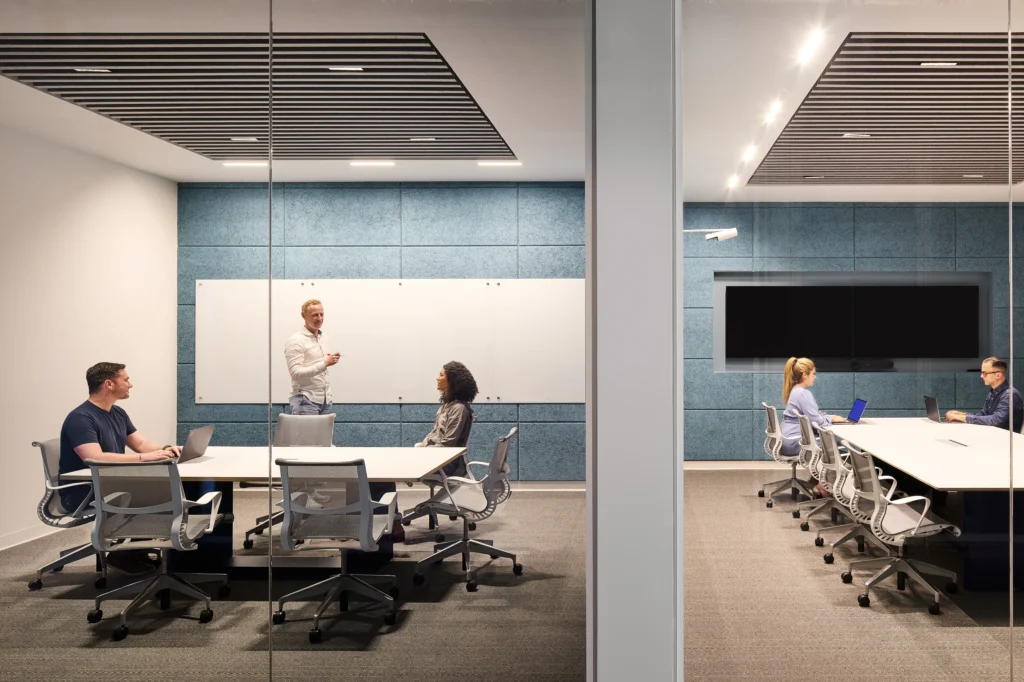
Layouts that make offices functional
There is no one-size-fits-all solution. While each organization has its own specific needs, several well-documented, successful layout strategies can offer helpful guidance. Here are a few that have been effectively implemented:
Neighborhoods
Many companies decided to move away from traditional cubicles, but in many cases went too far, resulting in open areas filled with workstations. This often creates an overly loud, disruptive environment.
Breaking up the number of workstations to create smaller, more intentional zones has proven effective. They enable collaboration while keeping noise levels appropriate for focused work.
“Quiet Cars” or Library-Like Areas
These are zones where noise is either strictly prohibited or significantly minimized. They are designed to provide a quiet, comfortable workspace where employees can focus without distractions.
Good design often includes soft seating, sound-absorbing treatments, and warm lighting. Research shows that employees typically prefer lower color temperatures — around 2700K — matching the lighting found in most homes. This combination helps create a relaxing, restorative environment that enhances focus and overall well-being.
Family Suites
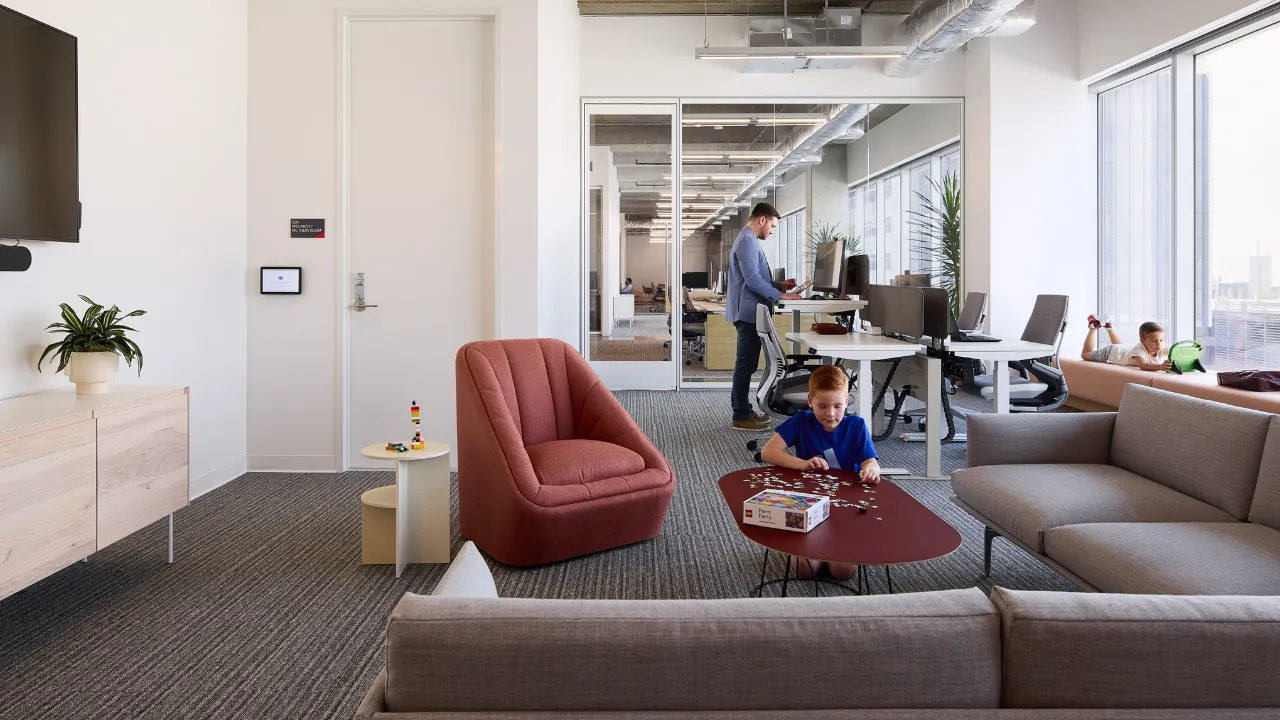
This is an example of an innovative typology not yet common in many workplaces, but one that has proven successful when carefully planned. The idea involves a private, enclosed space within the floor plan that provides a dedicated workspace for parents.
Parents often juggle multiple responsibilities between work and family needs. When unexpected childcare issues come up, they can cause significant stress for the employer, employee, and child. These dedicated suites offer a flexible, supportive, temporary, on-site solution when all other options have been exhausted.
The space includes standard workstations with full access to office resources, paired with a comfortable, home-like area designed for children.
To enhance convenience and privacy, the suite usually features an adjoining wellness room or restroom. Instead of choosing between staying home and going to the office, parents have a space where they can remain productive while keeping their child nearby in a safe, cozy environment.
By openly recognizing and accommodating the needs of working parents, companies not only improve retention and employee loyalty but also cultivate a more inclusive and understanding workplace environment.
As more organizations explore family-supportive design strategies, parent suites offer a compelling example of how careful planning can significantly enhance employee experience.
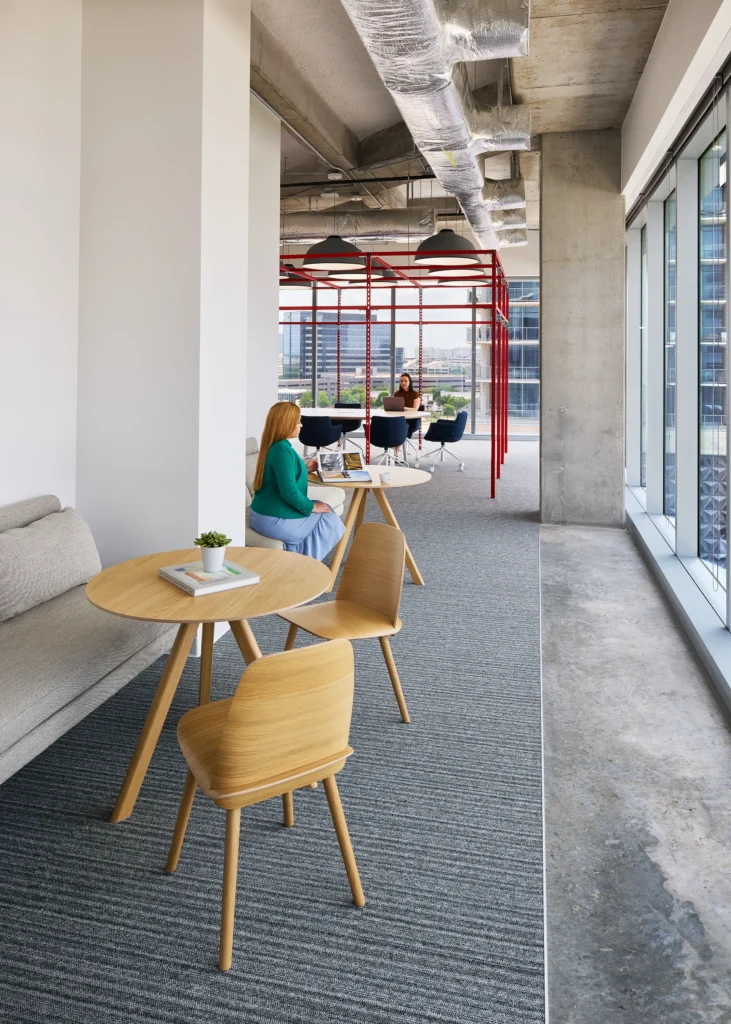
Empathetic office designs in practice
McAfee’s new hub in Frisco, Texas exemplifies a technology company that has successfully incorporated all three typologies. Through careful planning and a human-focused design, employee attendance has risen, and workers now enjoy many of the comforts and conveniences of home.
It is one example among a growing body of evidence showing that designing spaces with empathy and responsiveness can turn the office from a place people must come to into a haven they prefer to stay in.