



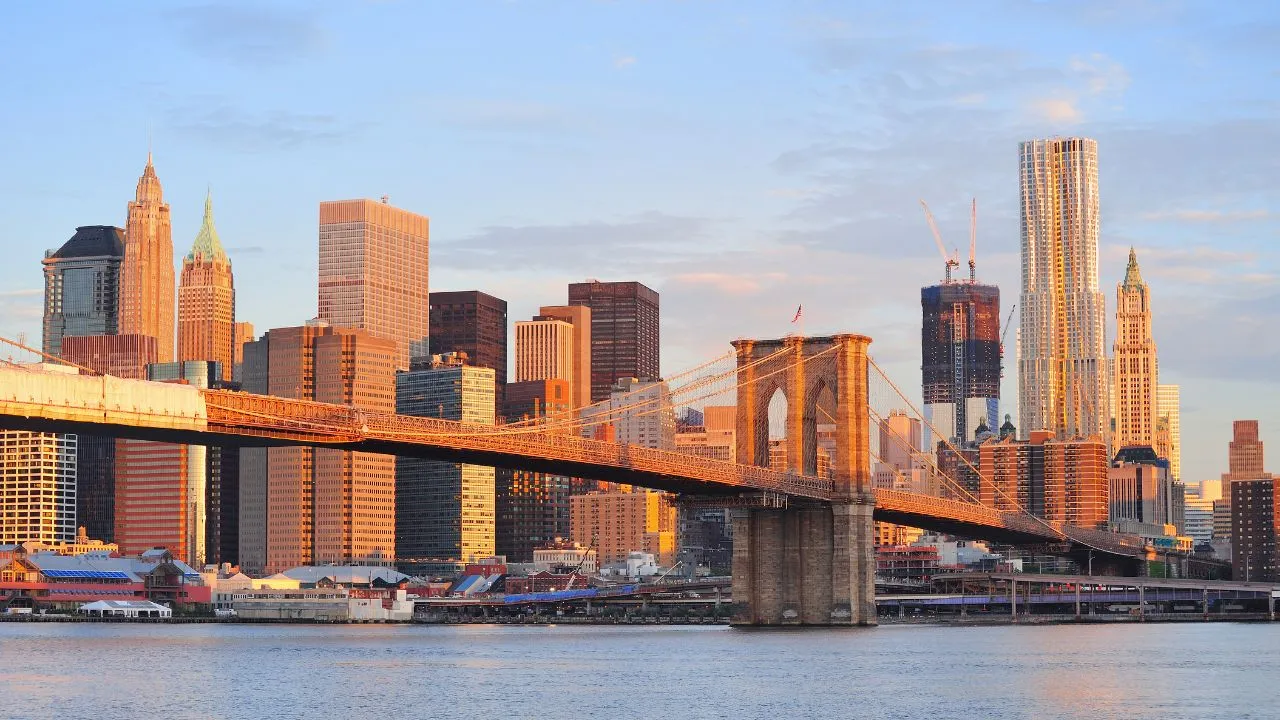
New York City’s office market is showing continued strength even as political and economic pressures raise questions about its long-term competitiveness.
In the first quarter of Mayor Zohran Mamdani’s term, leasing activity in Manhattan increased, vacancies declined, and rents continued to rise, according to CNBC. Companies signed major long-term deals, reinforcing the city’s role as a central hub for finance and corporate headquarters. American Express announced plans for a new headquarters in Lower Manhattan, and Bank of America committed to a 20-year lease, underscoring sustained demand for high-quality office space.

According to commercial real estate data, leasing volume reached 8.5 million square feet during the quarter, while vacancy rates fell to 13.5%. Rents increased 3.5% compared to the same period last year, with activity concentrated in top-tier buildings where competition remains strong.
Growth Continues, But Not Always in New York
While companies are maintaining a presence in the city, many are directing new growth elsewhere. Financial firms and large corporations have continued expanding into lower-cost regions such as Texas and Florida, where taxes, labor, and real estate are more affordable.

In several cases, firms are keeping offices in New York while shifting headcount growth to other markets. JPMorgan recently opened a new Manhattan office tower but now employs more workers in Dallas than in New York, reflecting a broader pattern across the industry.
This approach allows companies to retain access to New York’s talent and financial ecosystem while managing operating costs in other locations.
AI Leasing Surge Adds Momentum—and Uncertainty
A surge in demand from artificial intelligence firms has contributed to recent leasing momentum. AI companies have taken a significant share of new office space, securing large footprints in premium buildings.
Recent deals include Nscale Global Holdings signing a lease at One Vanderbilt at record pricing levels, and legal AI firm Harvey expanding its presence at One Madison Avenue. Many of these companies are leasing space in anticipation of rapid hiring, in some cases securing more capacity than their current workforce requires.

At the same time, firms are negotiating flexible lease terms, reflecting uncertainty about how quickly that growth will materialize and how space needs may change.
Policy and Cost Pressures Influence Long-Term Decisions
The strength in leasing comes as policymakers debate how to address the city’s budget deficit. Mayor Mamdani has proposed increasing taxes on corporations and high-income residents to help close a $5.4 billion gap, a position that has led to a standoff with New York State leadership.
Business groups say the cost of operating in New York—including taxes, office rents, and labor—remains a key factor in long-term planning. While the city continues to offer access to capital, clients, and a deep talent pool, companies are weighing those advantages against lower-cost alternatives when making decisions about new offices and workforce distribution.
Despite current leasing gains, market conditions remain measured. Demand has stabilized, and development activity is proceeding cautiously.
Office Footprints Are Being Rebalanced
The data suggests that while New York continues to attract major corporate commitments, future expansion decisions are increasingly likely to occur outside the city.
Rather than a sudden departure, companies are gradually redistributing where work happens—maintaining a presence in New York while placing new offices and employees in more cost-efficient markets.