




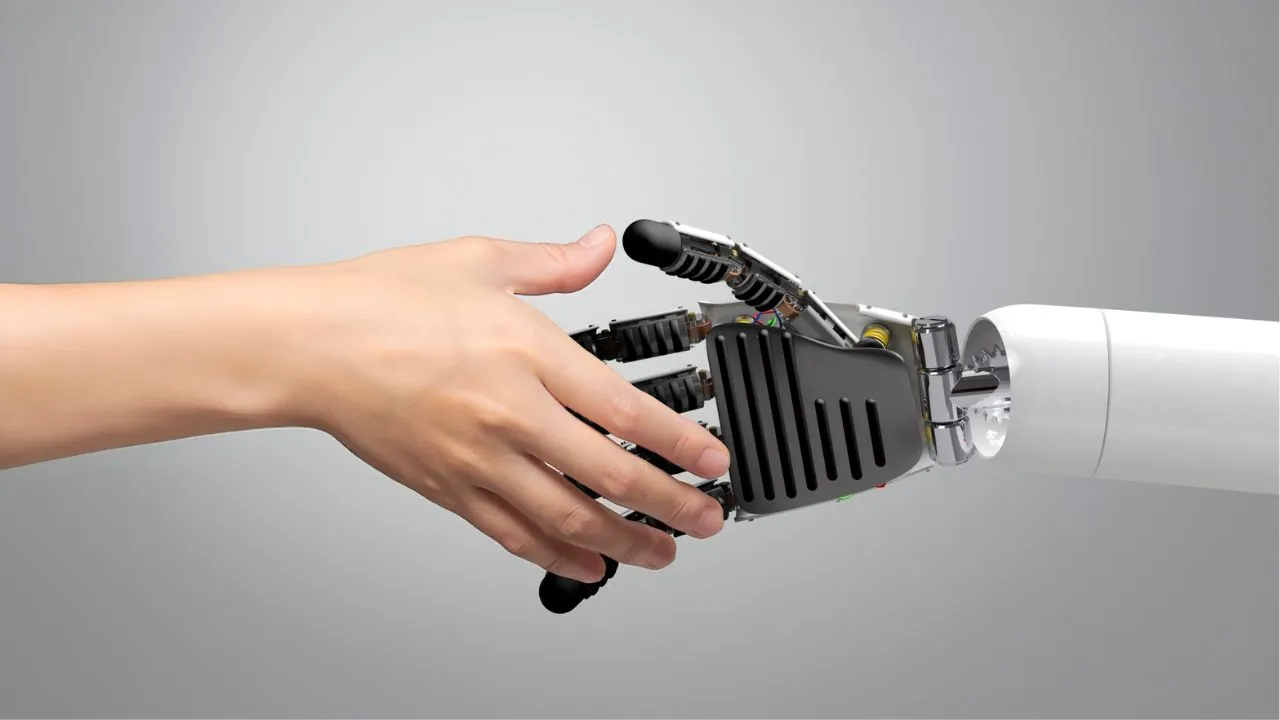
Network teams are handing more control to AI agents that don’t just flag problems anymore — they actually fix them, according to new research from Cisco and Omdia.
The Alert Volume Is Too Much For Humans Alone
The average organization generates about 4,100 monitoring alerts a day, more than half of them network-related, and clearing that backlog manually would take roughly 100 IT specialists working around the clock. Nearly half of those alerts get closed without any investigation, and a similar share of investigation time ends up chasing false positives. Ninety-five percent of organizations say their current AI tools, the kind that only advise rather than act, can’t keep up with that volume anymore.

Agents Are Already Making Production Changes
That gap is pushing companies toward what researchers call AgenticOps, where AI agents don’t just recommend fixes but carry them out directly, including rerouting traffic, adjusting wireless settings, isolating suspicious devices, and resolving incidents without waiting for a person to sign off. Three-quarters of organizations have already deployed AI for network operations, and 51% are running agentic systems that take action in live production environments today.
Comfort with that autonomy is high. Eighty percent of organizations say they’re comfortable giving AI a high or fully autonomous role, and nearly a quarter would let agents operate with no human oversight at all. More than four in five expect to be running a fully AI-led operating model within the next 12 months.

AI Is Also Adding To The Problem It’s Solving
Part of what’s driving this shift is that AI itself is straining networks further. Traffic generated directly by AI systems is on pace to double every six months, and Cisco’s own testing found that tasks carried out by AI agents can generate up to four and a half times more total network traffic than standard operations. Ninety-two percent of organizations also report that performance issues now routinely span multiple systems, often requiring data from ten or more tools just to diagnose a single problem.
Trust Still Comes With Conditions
Even as adoption accelerates, companies aren’t handing over full control without guardrails. Nearly 70% say they need detailed, understandable explanations for why an agent took a given action, and 36% say full visibility, including tracing every decision and auditing it afterward, is the minimum they’ll accept. The vast majority, 86%, say a single integrated platform for managing these agents works better than stitching together separate tools.
Cisco executives framed the shift as less about adoption and more about how fast companies are preparing for AI to run operations directly, arguing that visibility and clear decision-making trails are what will ultimately let organizations expand how much autonomy they’re willing to grant.