



The original version of this article originally appeared in Lucy McInally’s The Inclusive Coworker newsletter. Subscribe to read more.
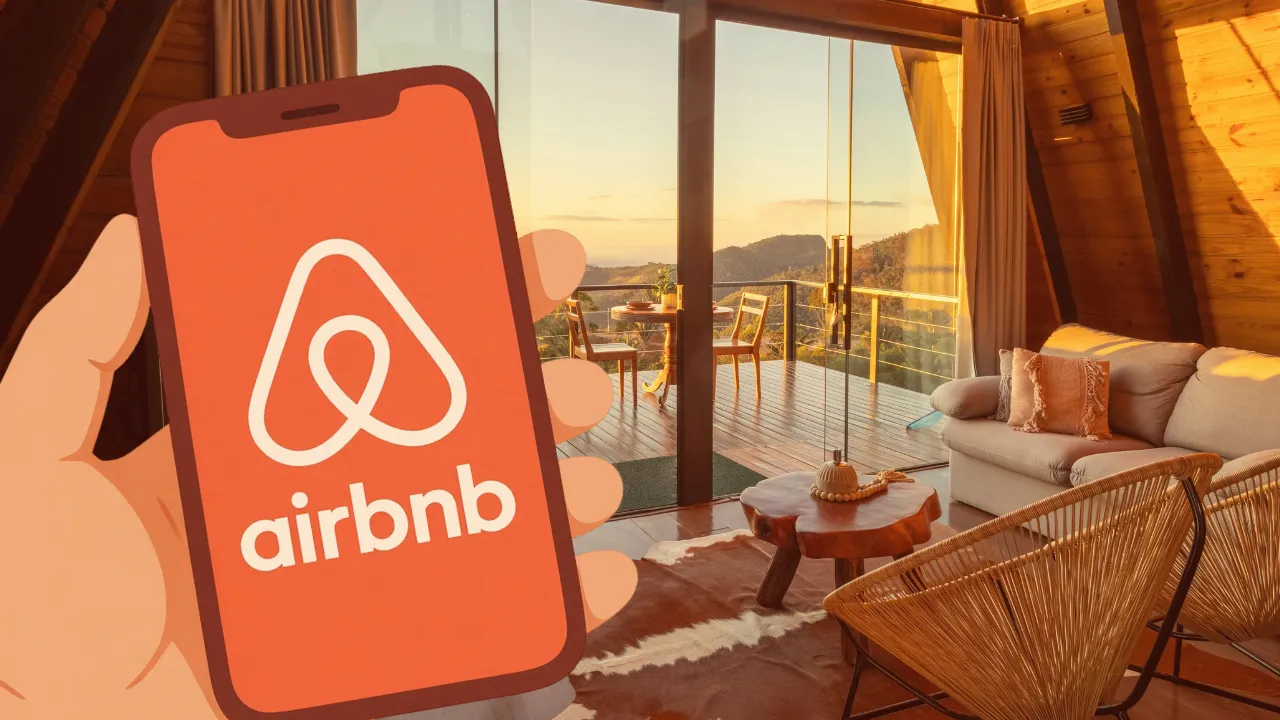
Airbnb announced in July that it’s adding coworking spaces to its list of services.

The U.K. market is the first location where Airbnb is testing this new feature, with flexible workspace brands Oneder and Work.Life participating in the pilot. Airbnb users can book day passes and meeting rooms through its platform.
On the surface, this makes perfect sense. Airbnb has always been about helping people experience a place, and coworking is another way to enhance that experience.

But the caveat is: if coworking becomes easier to access, does it become less valuable?
Let’s dive into what Airbnb adding coworking means for your workspace business.
Airbnb was founded on sharing space
Today, Airbnb is a household name, and many of us use the platform to book apartments and homes from our holidays. Yet, the company comes from grassroot beginnings.
In 2007, San Francisco-based roommates, Brian Chesky and Joe Gebbia, were struggling to afford their extortionate rent. A major design conference was coming to the city, and with all local hotels booked, the founders decided to inflate air beds in their living room and rent them out.
Three strangers booked to stay in their home…and that was the seed for Airbnb.
Of course, the company grew to what we know as Airbnb today. But the founding story shows that the intent behind Airbnb was about sharing space, trust, and hospitality (the founders even cooked their guests breakfast).
The overlap between Airbnb and coworking is clear: both are built around the idea that you can make better use of a space while creating experiences that bring people together.
That’s why Airbnb expanding into services makes sense. Adding coworking is another way for people to experience a city, whether they’re traveling, working remotely, or simply looking for somewhere different to spend the day.
A new way to discover coworking
Coworking is still a slightly undiscovered segment. People who don’t really know what coworking is about either associate it with WeWork, or a big, noisy social space where you can’t get any work done.
The good news is that Airbnb adding coworking to its list of services means that more people will develop their understanding of coworking, and be able to experience it.
A comment from Work.Life, published in an article by Coworking Europe, shared:
“It’s an exciting new way for more travellers, remote workers and digital nomads to discover our spaces and experience the community and energy that make us different.”
Work.Life and Oneder’s participation in the pilot makes sense, especially if they’re planning for further expansion. Work.Life operates 11 spaces across London, a location in Manchester and in Reading; Oneder operates three across the capital, with two more sites in the pipeline.
Both operators provide top-of-the-range meeting rooms. These types of bookings are a lucrative revenue stream in a hybrid working age.
As Airbnb experiences are for anyone to use, not just travelers and guests staying in accommodation, this move positions Airbnb as more of a marketplace for discovering flexible workspaces, similar to existing coworking aggregators.
Discovery isn’t the same as belonging
While this move may help people discover and understand coworking better, the downside is they might just associate it with office space and meeting rooms. Airbnb users may consume coworking spaces as services, and miss out on that sense of belonging because they don’t see coworking in that way.
This is the bigger challenge for the industry, and it’s why some coworking operators aren’t in favor of providing day passes or ad-hoc bookings, particularly the smaller, more independent coworking spaces.
The difference between a larger coworking brand and a small independent space often comes down to capacity and business model.
Larger operators can often absorb more day-pass users across multiple locations. For example, someone booking a Work.Life space in London one week may then book a Manchester location the next.
Meanwhile, smaller spaces rely more heavily on a consistent membership base and deeper, more local relationships. Again, Airbnb’s move could result in the deeper meaning of coworking being missed. After all, coworking has never just been about access to a workspace, but about community.
The interactions you have with others over weeks and months, the conversations over coffee, the introductions that lead to collaborations, and the familiarity of walking into a place where someone knows your name.
Sharing the announcement on Instagram, Flockhere (@flockhere) put this into words:
“Finding somewhere to work is important. Finding people to work with can make all the difference.”
That’s not something you can experience in a single afternoon, but it’s when people return to a space again and again.
A day pass becomes a doorway
For coworking spaces in tourist destinations or major cities, partnering with the likes of Airbnb could be a valuable route to discovery. A traveler needing somewhere to take a meeting might never find your space otherwise.
Speaking to Justin Powers, the founder of Kernville Cowork, he highlighted that destination coworking spaces often experience seasonal demand. For example, Kernville has excellent whitewater rafting rivers between mid-April and July — the region’s peak tourist season.
Justin opened Kernville Cowork to provide a productive workspace for remote workers and travelers during this period. But his hope is that because the coworking space is available, tourists will continue coming back to Kernville and may even lay down their own roots there.
This follows a shift where people are no longer needing to live where they work but instead being able to work where they want to live. This is actually what brought Justin back to his hometown of Kernville in the first place.
Airbnb’s role will become interesting, as it could help people discover destinations where they’ll eventually spend more time.
When coworking becomes easier to access, belonging matters more
Airbnb’s partnership with the coworking sector is ultimately a sign that flexible workspace has become part of the mainstream way people think about work and travel.
For operators, this presents an opportunity: more people may discover coworking spaces who would never have considered them before.
But discovery is only the first step. The challenge is making sure those people understand that coworking is not just somewhere to sit with a laptop but a place to connect, collaborate, and feel part of something.