



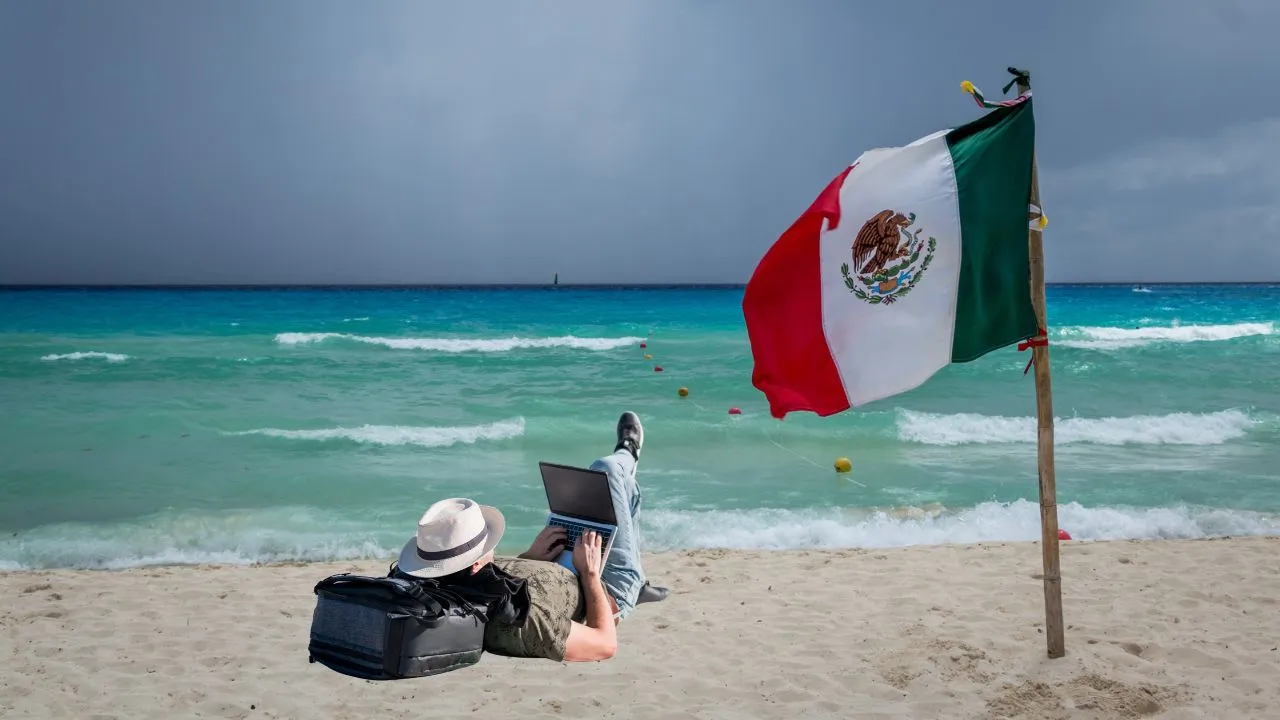
Working abroad can come with hidden costs that eat into remote workers’ time and income. A new study from Holafly found that 46.8% of remote workers and digital nomads surveyed had lost billable hours or income because of travel disruptions.
The Digital Nomad Friction Index assessed destinations based on visa complexity, bureaucracy, banking access, connectivity, healthcare and disruption risks. The 10 countries creating the most friction for digital nomads were:

- Colombia
- Mexico
- Germany
- Indonesia
- Argentina
- Bulgaria
- Spain
- United Arab Emirates
- Croatia
- Hungary
Colombia ranked first, with the study citing foreigner registration requirements, the need for a local tax ID, difficult banking access and disaster risks. Mexico ranked second, partly because opening a bank account without formal residency can be difficult. Germany came third, driven largely by strict address-registration requirements.
Administrative hurdles and internet problems can also affect workers’ well-being. Among respondents who experienced burnout, 89.1% felt overwhelmed by bureaucracy, including visas, banking and local paperwork. Meanwhile, 86.5% of burned-out travelers said losing internet access caused significant anxiety. Overall, 35% of respondents experienced connectivity problems that disrupted work often or on every trip.

The study found that every EU country included in its analysis, including Germany, Spain and Portugal, requires address registration and a local tax ID.
At the other end of the ranking, Georgia had the least day-to-day friction among the countries studied. Holafly said foreign nationals can open a bank account there using a passport, often within hours, and remote workers do not need to register their residence or obtain a local tax ID.