



The cost of occupying the world’s most expensive office buildings rose 1.3% in the third quarter of 2026, with limited availability and strong demand pushing prices higher in several major business centers.
According to Savills’ latest Global Occupier Markets report, prime office occupier costs across 47 cities increased 4.7% year over year. Costs rose in 30 markets during the quarter, driven by higher rents and fit-out expenses. The report examines the five most expensive office buildings in each market, focusing on trophy properties rather than the wider Grade A office market.

New York Trophy Offices Reach Record Rents
North American occupier costs increased 2.5% in Q3, the largest regional increase. New York and Dallas were among the strongest-rising markets as businesses competed for limited supplies of premium office space.
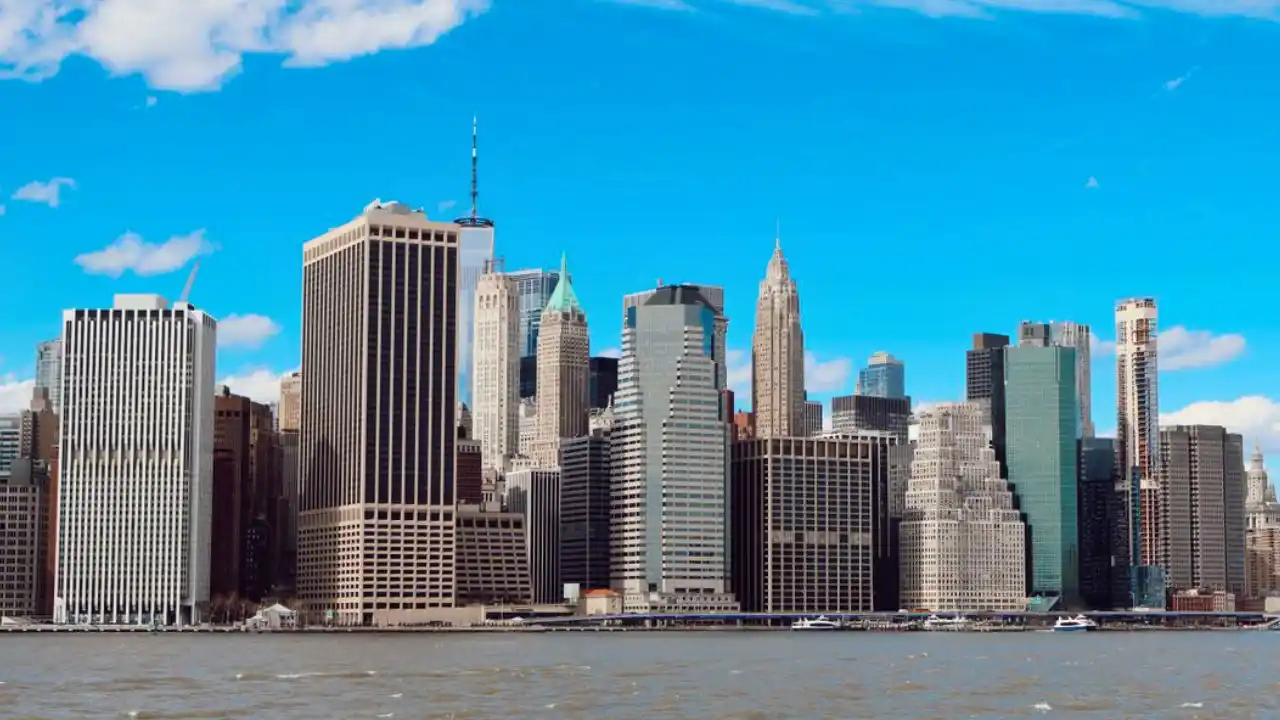
New York Midtown occupier costs increased 4.9% during the quarter and 13.7% year over year, reaching $225 per square foot. Vacancy across Midtown’s trophy buildings fell below 1.9%, down from 17% at the end of 2024.

Scarcity is also pushing lease prices to record levels. Hedge fund Castle Hook agreed to a 15-year lease for the top two floors of Related’s 625 Madison Avenue tower at approximately $375 per square foot. The building is scheduled for completion in 2029.
Downtown Manhattan also experienced rising costs, with occupier expenses increasing 6.9% during the quarter as prime vacancy fell to 10.4%, down from 27.4% two years earlier.
Mumbai Leads Global Office Cost Increases
Asia Pacific occupier costs increased 0.9% in Q3, although mainland China continued to experience declining prices while other markets recorded stronger growth.
Mumbai led all 47 cities with a 7.6% quarterly increase in prime office occupier costs, bringing annual growth to 21%. Demand from multinational companies seeking access to the city’s skilled workforce has contributed to rising rents. Vacancy in its top-tier office market fell to 1.1%, while face rents in the five most expensive buildings have nearly doubled since 2019.
Melbourne and Manila also recorded notable increases, with occupier costs rising 2.5% and 2%, respectively.
Mainland China remained a regional outlier. Costs across its four monitored markets fell 0.7% during the quarter and 4.4% year over year. Significant new office supply, subdued economic growth and weaker business confidence have contributed to the decline. Beijing recorded the largest quarterly decrease globally at 3.4%, while Shenzhen rose 2.2% amid continued technology and AI sector expansion.
Fit-Out Expenses Push Up European Office Costs
EMEA prime office occupier costs increased 0.6% in Q3, with Prague and Warsaw recording the region’s largest quarterly increases at 4.5% and 4.2%.
In Warsaw, face rents increased 4.4% as international business demand met limited availability. Vacancy in the city’s newest office buildings fell to 1.25%.
Prague’s rising costs were driven largely by fit-out expenses, which increased 6% during the quarter and approximately 70% since Q2 2024. Unlike in Poland, where landlords generally cover fit-out costs as a leasing incentive, tenants in Prague typically pay these expenses themselves.
Despite the increases, both cities remain relatively affordable compared with the wider EMEA market. Warsaw’s net effective occupier costs were 63% below the regional average, while Prague’s were 44% lower.