Advertisements
Your Brand Deserves The Spotlight - Advertise With Us - Allwork.Space
  • Marketplace
  • Resources
  • Business Directory
  • Events
  • Advertise
  • Publish a Press Release
  • Submit Your Story | Get Featured
  • Get the Newsletter
  • Contact
  • About Us
The FUTURE OF WORK® since 2003
Allwork.Space
No Result
View All Result
Subscribe
  • Submit Your StoryNew
  • More
    • Columnists
      • Dr. Gleb Tsipursky – The Office Whisperer
      • Nirit Cohen – WorkFutures
      • Angela Howard – Culture Expert
      • Drew Jones – Design & Innovation
      • Jonathan Price – CRE & Flex Expert
    • Get the Newsletter
    • Events
    • Advertise With Us
    • Publish a Press Release
    • Brand PulseNew
    • Partner Portal
  • Latest News
  • Business
  • Leadership
  • Work-life
  • Career Growth
  • Tech
  • Design
  • Workforce
  • Coworking
  • CRE
  • Podcast
  • Submit Your StoryNew
  • More
    • Columnists
      • Dr. Gleb Tsipursky – The Office Whisperer
      • Nirit Cohen – WorkFutures
      • Angela Howard – Culture Expert
      • Drew Jones – Design & Innovation
      • Jonathan Price – CRE & Flex Expert
    • Get the Newsletter
    • Events
    • Advertise With Us
    • Publish a Press Release
    • Brand PulseNew
    • Partner Portal
  • Latest News
  • Business
  • Leadership
  • Work-life
  • Career Growth
  • Tech
  • Design
  • Workforce
  • Coworking
  • CRE
  • Podcast
No Result
View All Result
Subscribe
Allwork.Space
No Result
View All Result
Advertisements
Drive more revenue to your coworking space - Alliance Virtual Offices
Home Leadership

JLL Leader Explains Leadership’s Role in Redefining The Hybrid Era

Kari Smith of JLL discusses the shift in workplace strategy to a more human-centered approach, emphasizing hybrid models, leadership, and the importance of physical office spaces.

Emma AscottbyEmma Ascott
September 2, 2024
in Leadership
Reading Time: 4 mins read
A A
JLL Leader Explains Leadership's Role in Redefining The Hybrid Era

At JLL, hybrid work is seen as an effective model where employees are not tethered to their desks five days a week, but can work both virtually and in person in ways that best meet the needs of their teams, enterprises, and themselves.

  • Successful transformation in workspaces relies heavily on effective leadership and altering employee mindsets and behaviors.
  • Designing adaptable, tech-integrated office spaces accommodates the flexibility and individual choice central to modern hybrid work models.
  • Despite remote work’s rise, physical offices remain crucial for human connection and intergenerational knowledge transfer, particularly for newer generations familiar with technology.

This article is based on the Allwork.Space Future of Work Podcast episode featuring Kari Smith from JLL, a director in their consulting group who specializes in change management and leadership. Click here to listen to the full episode.

In the latest episode of The Future of Work® Podcast, we had a conversation with Kari Smith, a director at JLL specializing in change management and leadership. Smith offered her perspective on how the transformation of workspaces is not merely confined to physical changes, but hinges critically on altering the mindsets and behaviors of employees. 

Advertisements
Nexudus - Waste of Space? (Pink)

This pivot towards a more human-centered approach underscores the complex puzzle that is modern workplace strategy, especially as hybrid work models become increasingly prevalent.

Smith emphasized the significant impact of effective leadership in handling organizational change. The symbiotic relationship between proactive leadership and team collaboration forms the cornerstone of successful implementation. This human-focused approach is not just rewarding for the teams involved but crucial for the organization’s evolution. 

Advertisements
Nexudus - Tech Stack Lovers

At JLL, Smith said clients are increasingly seeking support not just in defining their future workplace strategies but in executing them effectively. The consultancy’s role has thus evolved to guide companies through these transformative phases, where hybrid working models like activity-based or unassigned spaces are becoming the norm.

“I really love connecting with the human element and helping clients really help that adoption of those shifts in the future of work and really seeing it come to life with the end user, and that is incredibly rewarding,” Smith said. 

The Hybrid Work Model Needs to be Well-Designed

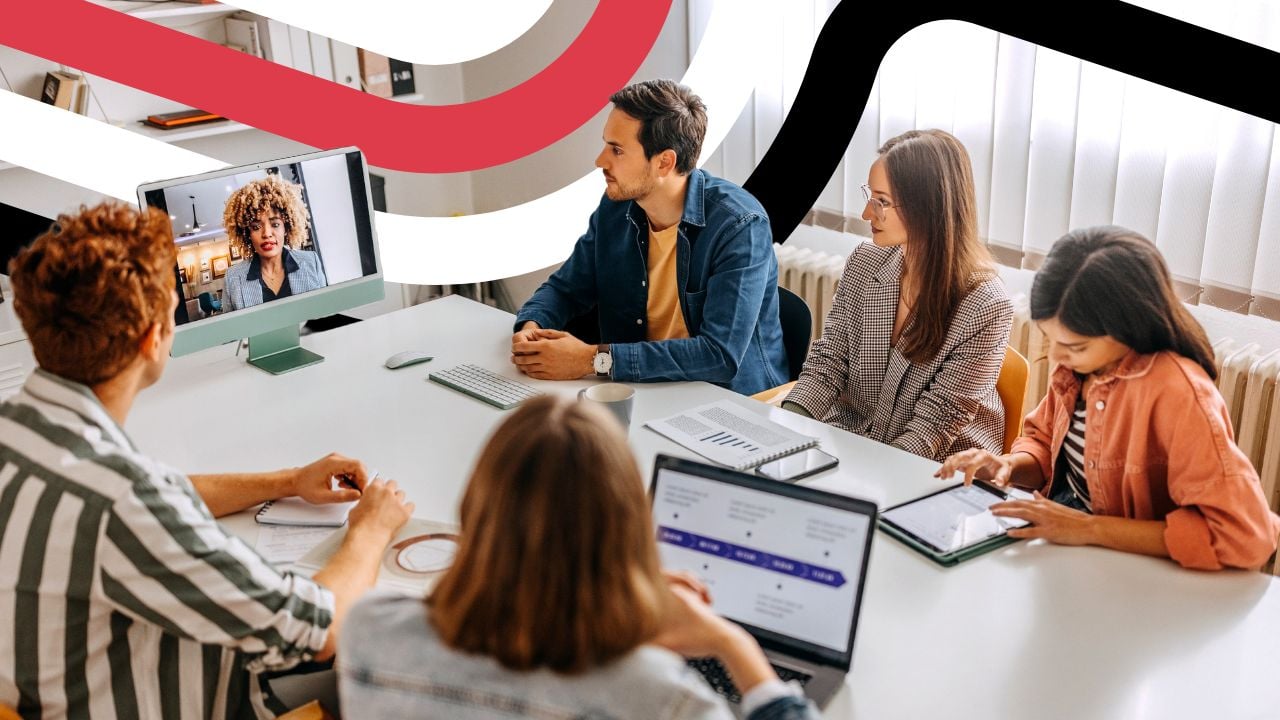
Since the pandemic, there has been a total attitude change towards hybrid work models, characterized by flexibility and individual choice. At JLL, hybrid work is seen as an effective model where employees are not tethered to their desks five days a week but can work both virtually and in person in ways that best meet the needs of their teams, enterprises, and themselves. This approach allows for a more nuanced balance between various forms of work, catering to individual and team requirements.

The conversation then turned to the design principles that accommodate this hybrid work model. Unlike traditional office layouts that followed rigid ratios of people to workstations, modern designs now integrate essential technologies, a variety of seating arrangements, and consider regional and individual role differences. This human-centric design ensures that workspaces are adaptable, future-proof, and able to cater to the evolving needs of the workforce.

Advertisements
Get more revenue. Do less work - Alliance Virtual Offices

“Giving people that choice and flexibility to move around, that’s when you find the really lovely balance of utilization, because it’s the ebb and flow and not always just going to a workstation or an office, and you’re seeing a lot of that more accepted,” Smith said. 

Smith then discussed the heightened complexity involved in change management. She explained that creating new spaces adds a layer of complexity, especially if the designed space does not align with the users’ needs. 

The formula used for space allocation must be robust and adaptable enough to avoid frequent overhauls. Integrated technology is a cornerstone of this approach, ensuring that every workspace meets the technological needs of modern workers.

More stories for you

How To Communicate Gen AI Change So Employees Listen, Engage, And Actually Adopt

How To Communicate Gen AI Change So Employees Listen, Engage, And Actually Adopt

2 hours ago
U.S. Planned Layoffs Plummet 53% In November, But Still Outpace 2024 Levels

U.S. Planned Layoffs Plummet 53% In November, But Still Outpace 2024 Levels

11 hours ago
U.S. Weekly Jobless Claims Fall To Three-Year Low Amid Mixed Labor Market Signals

U.S. Weekly Jobless Claims Fall To Three-Year Low Amid Mixed Labor Market Signals

11 hours ago
U.S. Department Of Health And Human Services Makes It Harder For Federal Employees With Disabilities To Work Remotely (1)

U.S. Department Of Health And Human Services Makes It Harder For Federal Employees With Disabilities To Work Remotely

11 hours ago

Physical Offices Will Continue to be Relevant

Despite the rise of remote work, physical offices will continue to serve as essential hubs for human connection. 

“I do think place has its place. I do truly believe the office isn’t going to die,” Smith said. “It’s not going to be extinct. And we are seeing it gradually morph to be that place of connection because we are humans and connection is so critical.” 

These spaces are particularly important for younger generations, such as Gen Z, who have grown up in tech-integrated environments. 

Future workplace leaders are expected to innovate further in creating inclusive, tech-savvy office spaces. This innovation will be driven by the younger workforce’s inherent familiarity with technology and their ability to integrate these tools into their work seamlessly.

Knowledge Transfer Across Generations is Needed

The importance of intergenerational knowledge transfer, especially as new technologies like AI become more prevalent, is invaluable. Smith notes that younger employees’ curiosity and willingness to learn from different generations will play a critical role in driving innovation. 

Advertisements
UltraSoftBIS Work Smarter, Not Harder

The blend of historical knowledge and technological prowess will facilitate a seamless transfer of ideas,  nurturing a collaborative and innovative work environment.

A Future-Ready Workplace is on the Horizon

The discussion with Smith underscores the intricate and multifaceted nature of modern workplace strategy. From effective leadership to adaptable design, from technological integration to intergenerational collaboration, each element plays a crucial role in shaping a future-ready workplace. 

As organizations adapt to changes in the modern work environment, these insights serve as a valuable guide in creating spaces that are not only functional but also deeply human-centric.

Advertisements
Subscribe to the Future of Work Newsletter
Tags: Hybrid WorkLeadershipWorkforceWorkplace Design
Share13Tweet8Share2
Emma Ascott

Emma Ascott

Emma Ascott is a contributing writer for Allwork.Space based in Phoenix, Arizona. She graduated from Walter Cronkite at Arizona State University with a bachelor’s degree in journalism and mass communication in 2021. Emma has written about a multitude of topics, such as the future of work, politics, social justice, money, tech, government meetings, breaking news and healthcare.

Other Stories Recommended For You

How To Communicate Gen AI Change So Employees Listen, Engage, And Actually Adopt
Tech

How To Communicate Gen AI Change So Employees Listen, Engage, And Actually Adopt

byDr. Gleb Tsipursky
2 hours ago

Clear, consistent, multi-channel communication made Gen AI adoption smoother and more trusted.

Read more
U.S. Planned Layoffs Plummet 53% In November, But Still Outpace 2024 Levels

U.S. Planned Layoffs Plummet 53% In November, But Still Outpace 2024 Levels

11 hours ago
U.S. Weekly Jobless Claims Fall To Three-Year Low Amid Mixed Labor Market Signals

U.S. Weekly Jobless Claims Fall To Three-Year Low Amid Mixed Labor Market Signals

11 hours ago
U.S. Department Of Health And Human Services Makes It Harder For Federal Employees With Disabilities To Work Remotely (1)

U.S. Department Of Health And Human Services Makes It Harder For Federal Employees With Disabilities To Work Remotely

11 hours ago
Advertisements
Get more revenue. Do less work - Alliance Virtual Offices
Advertisements
Nexudus - Automate

Unlock your competitive edge in tomorrow's workplace.

Join a community of forward-thinking professionals who get exclusive access to the latest news, trends, and innovations that are shaping the future of work.

2025 Allwork.Space News Corporation. Exploring the Future Of Work® since 2003. All Rights Reserved

Advertise  Submit Your Story   Newsletters   Privacy Policy   Terms Of Use   About Us   Contact   Submit a Press Release   Brand Pulse   Podcast   Events   

No Result
View All Result
  • Home
  • Latest News
  • Topics
    • Business
    • Leadership
    • Work-life
    • Workforce
    • Career Growth
    • Design
    • Tech
    • Coworking
    • Marketing
    • CRE
  • Podcast
  • Events
  • About Us
  • Advertise | Media Kit
  • Submit Your Story
Subscribe

Welcome Back!

Login to your account below

Forgotten Password?

Retrieve your password

Please enter your username or email address to reset your password.

Log In
This website uses cookies. By continuing to use this website you are giving consent to cookies being used. Visit our Privacy and Cookie Policy.
-
00:00
00:00

Queue

Update Required Flash plugin
-
00:00
00:00