
Advertisements
Your Brand Deserves The Spotlight - Advertise With Us - Allwork.Space
  • Marketplace
  • Resources
  • Business Directory
  • Events
  • Advertise
  • Publish a Press Release
  • Submit Your Story | Get Featured
  • Get the Newsletter
  • Contact
  • About Us
The FUTURE OF WORK® since 2003
Allwork.Space
No Result
View All Result
Subscribe
  • Submit Your StoryNew
  • More
    • Columnists
      • Dr. Gleb Tsipursky – The Office Whisperer
      • Nirit Cohen – WorkFutures
      • Angela Howard – Culture Expert
      • Drew Jones – Design & Innovation
      • Jonathan Price – CRE & Flex Expert
    • Get the Newsletter
    • Events
    • Advertise With Us
    • Publish a Press Release
    • Brand PulseNew
    • Partner Portal
  • Latest News
  • Business
  • Leadership
  • Work-life
  • Career Growth
  • Tech
  • Design
  • Workforce
  • Coworking
  • CRE
  • Podcast
  • Submit Your StoryNew
  • More
    • Columnists
      • Dr. Gleb Tsipursky – The Office Whisperer
      • Nirit Cohen – WorkFutures
      • Angela Howard – Culture Expert
      • Drew Jones – Design & Innovation
      • Jonathan Price – CRE & Flex Expert
    • Get the Newsletter
    • Events
    • Advertise With Us
    • Publish a Press Release
    • Brand PulseNew
    • Partner Portal
  • Latest News
  • Business
  • Leadership
  • Work-life
  • Career Growth
  • Tech
  • Design
  • Workforce
  • Coworking
  • CRE
  • Podcast
No Result
View All Result
Subscribe
Allwork.Space
No Result
View All Result
Advertisements
Nexudus - Waste of Space? (Orange)
Home Work-life

What Will 2025 Look Like — Is This The Future Of Work We Predicted In 2011?

Intel predicted a bold future for 2025 back in 2011 — some of it came true, some is still loading, and some may never land. The future of work is here… just not exactly as imagined.

Nirit CohenbyNirit Cohen
April 28, 2025
in Work-life
Reading Time: 4 mins read
A A
What Will 2025 Look Like — Is This The Future Of Work We Predicted In 2011

Many of the predictions we made back in 2011 have proven remarkably accurate: hybrid work is widespread, the gig economy has gained serious traction, and AI is beginning to reshape work as we know it.

  • Many 2011 predictions came true, including hybrid work and the rise of flexible, digital-first workplaces.
  • Gig work and flatter structures gained traction, but traditional job models still shape most organizations
  • The vision of a borderless, tech-powered workforce is underway, though progress varies across industries.

Back in 2011, we painted a bold vision for what the workplace might look like in 2025. That vision was nothing short of transformative: physical offices would fade into the background, traditional hierarchies would give way to agile networks, and talent would move freely across borders. 

Now that 2025 has arrived, it’s time to ask: Did those predictions come true — or did the future take a different turn? 

Advertisements
Drive more revenue to your coworking space - Alliance Virtual Offices

That question guided a future of work initiative at Intel back in 2011: What will it feel like to work in 2025? 

At the time, work was still grounded in office buildings, clear chains of command, and a mindset of talent ownership. While smartphones, the cloud, and wireless internet were beginning to reshape possibilities, their impact hadn’t yet been fully realized. 

Advertisements
Nexudus - Tech Stack Lovers

Today, we have a chance to revisit that vision. Some aspects have become reality, others are progressing more slowly, and a few are still on the distant horizon. Let’s look at how the workplace has shifted across the three pillars of Everywhere, Everything, Everyone — and what remains a work in progress. 

Everywhere: The New Location  

Back in 2011, work and workplace were virtually inseparable. Most professionals traveled to fully wired office buildings, complete with desktops, phones, and in-person meetings. Remote work was an emerging trend, but trust and infrastructure were lacking. Even though smartphones and cloud platforms existed, they were far from being fully embraced. Work was still defined by location. 

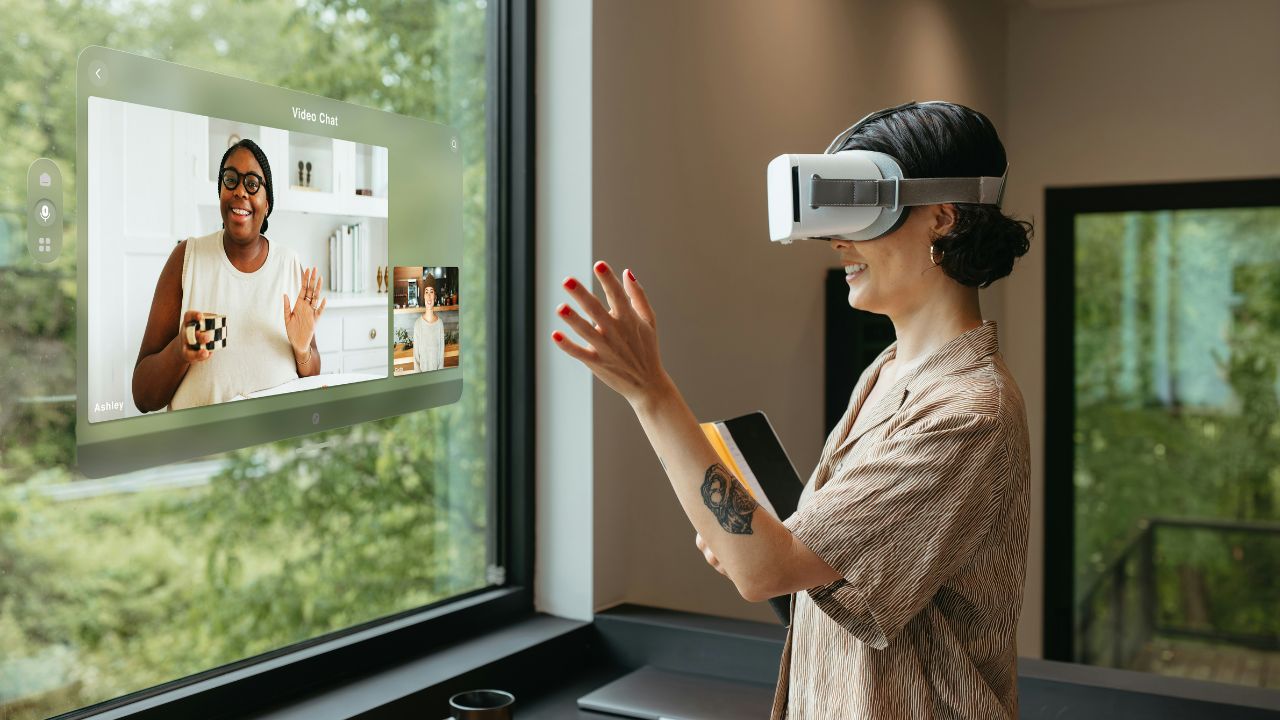
The 2025 vision anticipated a break from this dependency on place. Offices would become collaboration hubs, not daily destinations. Emerging tools like virtual and augmented reality (VR/AR) were expected to make remote teamwork feel seamless and immersive. Innovations in transportation, such as self-driving cars, were predicted to ease the burdens of commuting. 

Fast forward to today: work has undeniably become more flexible. The pandemic accelerated the adoption of hybrid models, and tools like Zoom, Teams, and cloud collaboration suites are now essential. Offices have been reimagined as gathering spots, not obligatory desks. 

Advertisements
Yardi Kube automates flex & coworking operations

Yet, immersive VR/AR remains a niche experience, and smart transportation hasn’t scaled the way we imagined. 

The move toward location independence is clearly underway, but adoption of the more futuristic elements is slower than expected. The foundation has been laid — but broad cultural and technological integration is still evolving. 

Everything: The New Work  

A decade ago, job structures were largely fixed. People climbed ladders, stayed in roles, and operated within traditional departments. Freelancers were outliers. The workplace valued predictability, and work was measured by task execution. 

The future-forward vision for 2025 imagined a more dynamic reality: project-based teams, widespread freelancing, and work defined by outcomes rather than roles. Artificial intelligence (AI) and automation would handle repetitive tasks, freeing up people for more strategic, creative work. 

More stories for you

Added Workplace AI Features Spur Microsoft Productivity Suite Price Increases For 2026

Added Workplace AI Features Spur Microsoft Productivity Suite Price Increases For 2026

5 hours ago
U.S. Planned Layoffs Plummet 53% In November, But Still Outpace 2024 Levels

U.S. Planned Layoffs Plummet 53% In November, But Still Outpace 2024 Levels

5 hours ago
U.S. Weekly Jobless Claims Fall To Three-Year Low Amid Mixed Labor Market Signals

U.S. Weekly Jobless Claims Fall To Three-Year Low Amid Mixed Labor Market Signals

5 hours ago
Meta Plans Steep Budget Cuts For Metaverse Team, Raising Layoff Concerns

Meta Plans Steep Budget Cuts For Metaverse Team, Raising Layoff Concerns

5 hours ago

Today, those shifts are visible. The gig economy has expanded, and independent work is far more common. Platforms like Fiverr and Upwork support a growing wave of freelancers. Portfolio careers — blending freelance, part-time, and entrepreneurial work — are increasingly mainstream. Some companies have adopted flatter organizational models, emphasizing agility over hierarchy. 

Still, the shift is incomplete. Traditional employment and corporate hierarchies remain dominant. While AI has progressed, its role as a creative partner is just beginning to unfold. We’re heading in the direction envisioned, but the pace varies across industries and organizations. 

Everyone: The New Talent  

In 2011, talent management was largely about ownership. Companies hired full-time employees, mostly local, and aimed to retain them for the long haul. People were labeled as “human capital” or “resources” — assets to manage. 

The future vision was different. It called for flexible talent ecosystems built on partnerships, not ownership. Teams would be composed of contractors, freelancers, and globally sourced specialists. Age diversity would expand, with people working well into their 70s and beyond. 

Advertisements
Get more revenue. Do less work - Alliance Virtual Offices

Today, the shift is evident in the growing use of flexible work arrangements. More professionals are juggling multiple roles or combining employment with freelance gigs. Companies regularly tap into global talent pools for specialized projects. 

Yet, much of the old structure persists. Full-time roles still dominate, and legal or cultural barriers slow the integration of global and generational diversity. While the direction is clear, the journey toward a fully borderless and inclusive workforce remains ongoing. 

What’s Next?  

Many of the predictions we made back in 2011 have proven remarkably accurate: hybrid work is widespread, the gig economy has gained serious traction, and AI is beginning to reshape work as we know it. 

But some ideas — like virtual collaboration that feels fully immersive or seamless access to multigenerational, global talent networks — are still works in progress. 

Advertisements
Build Your AI - Disaster Avoidance

The workplace will likely continue to evolve along the lines of Everywhere, Everything, Everyone, thus dissolving boundaries between work and life, flattening structures, and extending reach across borders. 

And perhaps the real takeaway is this: We still don’t have the future of work all figured out. So maybe now is the right time to ask the next big question: 

What will work feel like in 2040?

Advertisements
Subscribe to the Future of Work Newsletter
Tags: TechnologyWorkforce
Share14Tweet9Share2
Nirit Cohen

Nirit Cohen

Nirit Cohen is a leading HR strategist and thought leader on the Future of Work. With 30 years of global experience at Intel in senior leadership roles across HR and M&A, she bridges emerging trends with practical solutions to help organizations navigate the complexities of the evolving world of work. Nirit holds a master’s degree in Economics, specializing in Technology Policy and Innovation Management. For over a decade, she has written a widely read weekly column on the Future of Work, currently published on Forbes. She has also authored a book on career management in a changing world. Her expertise in workforce transformation, combined with leadership across multiple disciplines, makes her a sought-after speaker and consultant.

Other Stories Recommended For You

Added Workplace AI Features Spur Microsoft Productivity Suite Price Increases For 2026
News

Added Workplace AI Features Spur Microsoft Productivity Suite Price Increases For 2026

byAllwork.Space News Team
5 hours ago

Microsoft will increase prices for its Microsoft 365 productivity suites globally starting July 2026 for commercial and government clients, the...

Read more
U.S. Planned Layoffs Plummet 53% In November, But Still Outpace 2024 Levels

U.S. Planned Layoffs Plummet 53% In November, But Still Outpace 2024 Levels

5 hours ago
U.S. Weekly Jobless Claims Fall To Three-Year Low Amid Mixed Labor Market Signals

U.S. Weekly Jobless Claims Fall To Three-Year Low Amid Mixed Labor Market Signals

5 hours ago
Meta Plans Steep Budget Cuts For Metaverse Team, Raising Layoff Concerns

Meta Plans Steep Budget Cuts For Metaverse Team, Raising Layoff Concerns

5 hours ago
Advertisements
Get more revenue. Do less work - Alliance Virtual Offices
Advertisements
Alliance gives coworking centers instant clientele

Unlock your competitive edge in tomorrow's workplace.

Join a community of forward-thinking professionals who get exclusive access to the latest news, trends, and innovations that are shaping the future of work.

2025 Allwork.Space News Corporation. Exploring the Future Of Work® since 2003. All Rights Reserved

Advertise  Submit Your Story   Newsletters   Privacy Policy   Terms Of Use   About Us   Contact   Submit a Press Release   Brand Pulse   Podcast   Events   

No Result
View All Result
  • Home
  • Latest News
  • Topics
    • Business
    • Leadership
    • Work-life
    • Workforce
    • Career Growth
    • Design
    • Tech
    • Coworking
    • Marketing
    • CRE
  • Podcast
  • Events
  • About Us
  • Advertise | Media Kit
  • Submit Your Story
Subscribe

Welcome Back!

Login to your account below

Forgotten Password?

Retrieve your password

Please enter your username or email address to reset your password.

Log In
This website uses cookies. By continuing to use this website you are giving consent to cookies being used. Visit our Privacy and Cookie Policy.
-
00:00
00:00

Queue

Update Required Flash plugin
-
00:00
00:00