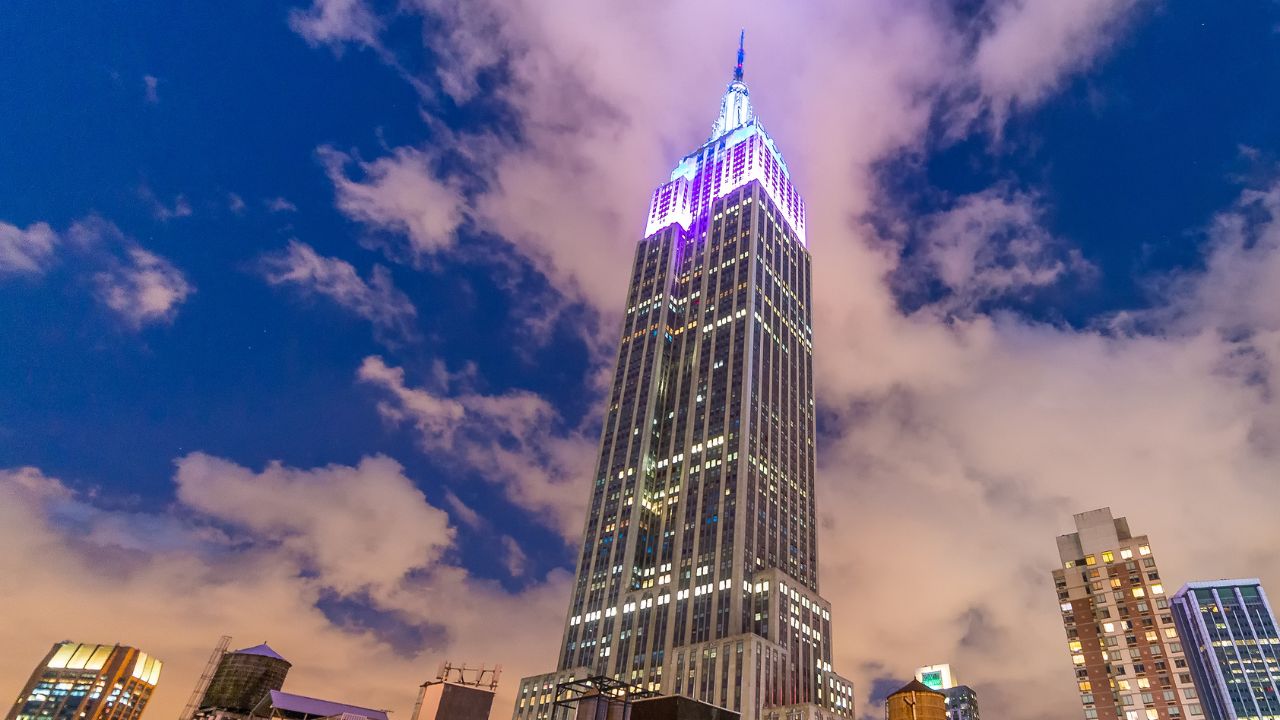
The Empire State Building is renowned worldwide as an iconic landmark, but beyond its tourist appeal, it serves as a model for how older buildings can be retrofitted to meet modern environmental standards.
Recent upgrades to the building, such as replacing over 6,500 windows and modernizing its air-conditioning system, are indicative of a growing trend in commercial real estate: building owners must adapt to stringent sustainability laws or face penalties, according to CoStar.

New York City’s Local Law 97, one of the nation’s most aggressive carbon emissions regulations, requires landlords of buildings over 25,000 square feet to drastically cut carbon emissions. The law aims to reduce emissions by 40% by 2030, with a goal of eliminating nearly all carbon emissions from large buildings by 2050. With a June 30 deadline coming up, landlords face the reality of either investing in upgrades or paying hefty fines if they exceed emissions limits.
The Empire State Building, owned by Empire State Realty Trust, has already taken proactive steps. Despite the high costs, the REIT’s director of energy and sustainability, Dana Robbins Schneider, emphasized that these investments were made not only for carbon reduction but for economic reasons, citing that modernizing equipment boosts efficiency, attracts tenants, and supports higher rents. This is a key takeaway for New York landlords: the investment in sustainable upgrades can pay off in the long term, even if the upfront costs are significant.

For many landlords, particularly those with older buildings, the path to compliance can be overwhelming. Older properties, especially those built before World War II, often rely on outdated systems like oil or gas-powered steam heating. These systems are difficult to replace and require massive financial and logistical efforts. According to the Urban Green Council, by 2030, nearly half of New York’s multifamily properties may no longer meet the city’s emissions targets.
Some landlords argue that the regulations could destabilize the commercial real estate market. The Real Estate Board of New York projects that the new requirements could lead to more than $900 million in fines by 2030, but experts say that the financial penalties may be unavoidable in the long term. The law’s regulations will become stricter over time, and the costs of paying fines will far exceed the costs of making improvements, particularly for buildings with older infrastructure.
Landlords are not without options for assistance. The city offers various financial incentives, such as the Accelerator program and financing options from organizations like the New York State Energy Research and Development Authority. These programs can help mitigate the costs of major upgrades and make the transition to sustainability more manageable.
Large institutional investors like Empire State Realty Trust are leading the way, using buildings like the Empire State Building as testing grounds for new technologies and energy systems. If a sustainable solution works in this landmark building, the REIT then rolls it out across its portfolio, ensuring efficiency and compliance.

Ultimately, landlords must approach sustainability not as a short-term challenge but as an opportunity for long-term value creation. From reducing energy costs to attracting tenants with a strong sustainability ethos, making environmental upgrades can be an investment in both the property’s future and the health of the planet. The Empire State Building has set the example, and commercial real estate owners across the city must now decide whether to follow its lead or risk paying the price—literally.