
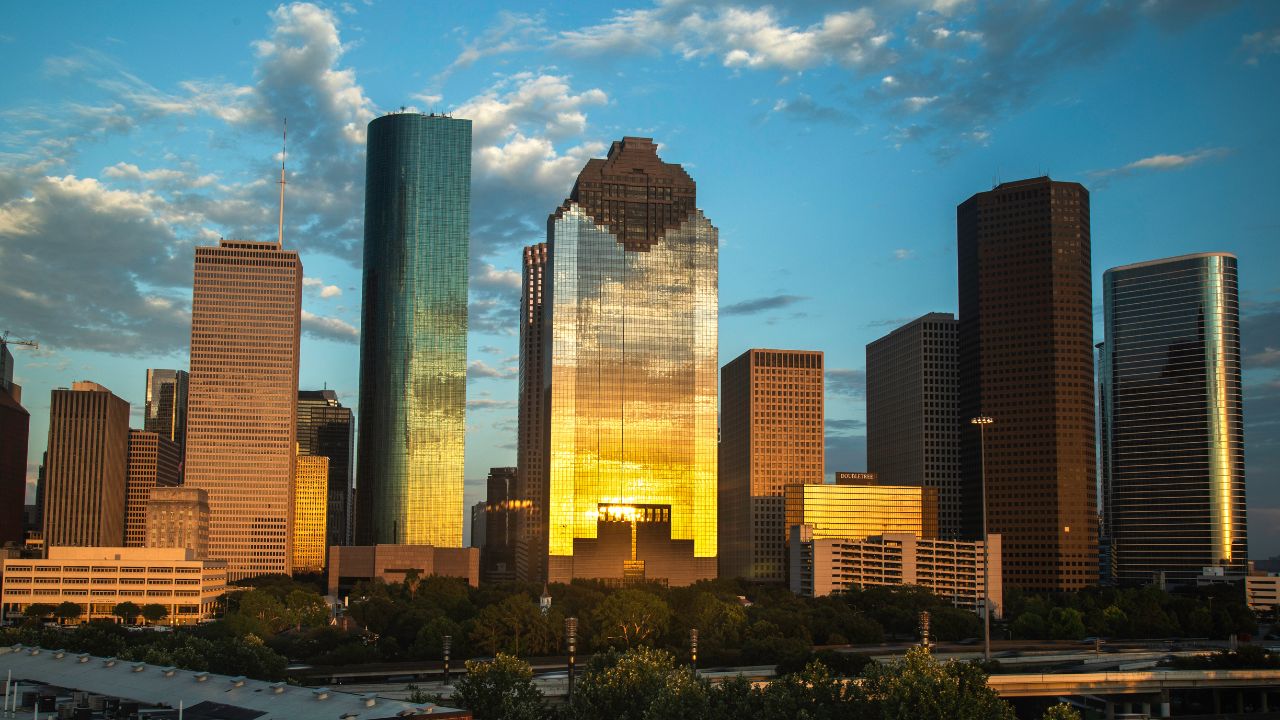
Houston is becoming one of the most active cities in the country for repurposing empty office buildings, with 6.7 million square feet currently planned or underway for conversion. That puts it third nationwide for total square footage being adapted, according to CBRE.
The trend comes as traditional office space loses traction and new construction slows. Across the U.S., more office buildings are being demolished or converted than built—something not seen in over two decades. Just 13 million square feet of new office space is expected this year, compared to a decade-long annual average of 44 million.

One reason behind the slowdown: vacancy rates are high, while the multifamily market remains strong. Houston’s office availability hit 25.9% in the second quarter, according to CBRE. In contrast, rental housing continues to perform well, with lower vacancy and consistent rent increases since 2020.
Nationally, office conversions are setting records. An average of 58 conversions were completed annually between 2018 and 2024. In 2024 alone, 94 projects were finished, and another 68 are on track for completion before this year’s end, according to BisNow.

Houston is part of that wave. While just 630,000 square feet of new office space is being built locally, more than ten times that amount is being repositioned for new uses. That total represents about 3.2% of Houston’s total office inventory.
Of the 10 known conversion projects in the area, six are set to become multifamily housing. One of the largest is the redevelopment of the former Fluor Corp. campus in Sugar Land. The 1.1 million-square-foot property is being transformed into Lake Pointe Green, a mixed-use community with around 720 residential units. The city has backed the project with over $24 million in incentives for parks, infrastructure, and remediation.
Cities across the country are now offering incentives to encourage these conversions. Leaders see them as a way to reduce office vacancies, increase property tax revenue, and create more housing, all while giving underused buildings a new purpose.
Still, the path forward isn’t simple. Developers face rising construction costs, labor shortages, tariffs, and high interest rates. Not all office buildings are suitable for conversion either, due to outdated layouts, infrastructure challenges, or excessive costs. In some cases, demolition becomes the better option.
CBRE expects 10.5 million square feet of U.S. office space to be torn down this year — the first time demolitions have crossed the 10 million mark since it began tracking the data. Combined with conversions, more than 23 million square feet of office space will disappear from the market in 2025.
While the U.S. office sector is showing signs of stabilization, including four straight quarters of positive absorption, the long-term future is being shaped project by project. Cities are taking a closer look at what these aging office towers can become — and increasingly, they’re betting on housing.