Foreign capital is cautiously flowing back into the U.S. office sector after years of pandemic-era hesitation, signaling a potential turning point for one of commercial real estate’s most strained categories, according to BisNow.
Cross-Border Office Investment Jumps Sixfold
Cross-border investment in U.S. offices surged to $877 million last quarter, a sixfold increase from a year earlier, according to CBRE. Though far below the $6 billion logged in late 2018, the rebound stands out in a market that has struggled with remote work, rising costs, and shifting investor sentiment.

Office still trails other asset classes — industrial and multifamily each drew about $1.5 billion to $1.6 billion in the same period — but the upward trend has started to attract new attention from foreign buyers.
Manhattan Leads as Investors Chase Top-Tier Space
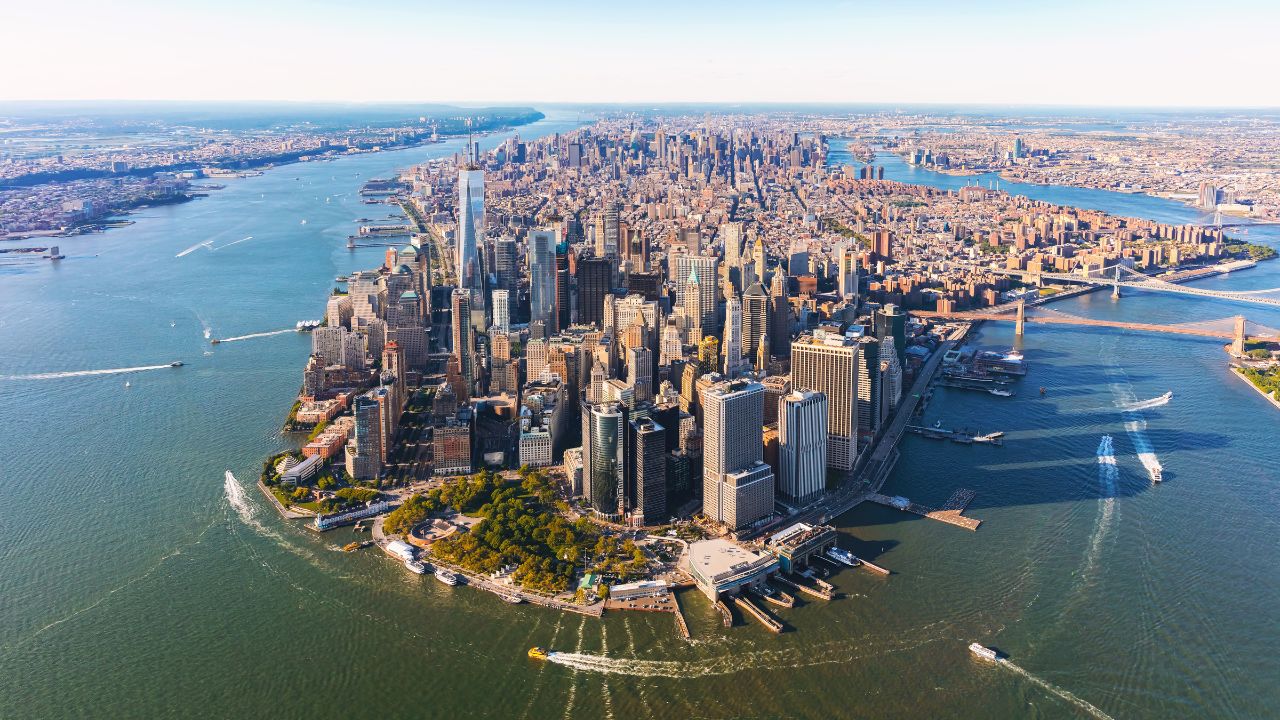
New York City remains the top destination for cross-border capital. Most deals target the top 10% to 20% of office assets, where tenants are clustering in high-quality, amenity-rich buildings.

Limited supply of Class-A and trophy properties in Manhattan has intensified competition and reaffirmed its global status as a safe haven for real estate investment.
San Francisco Follows on AI-Fueled Rebound
The San Francisco Bay Area ranks second for foreign investment, benefiting from renewed leasing activity tied to the artificial intelligence boom. Many tech firms are opting for offices closer to San Francisco’s core rather than suburban campuses, mirroring the “flight to quality” dynamic seen earlier in New York.
Industry observers say the Bay Area’s recovery is about two years behind New York’s timeline.
Other Major Markets Gaining Momentum
Foreign interest is also picking up in Boston, Dallas, and Washington, D.C. Analysts expect Washington to begin new office construction within the next two years, suggesting renewed optimism in long-term demand for workspace in the capital.
Lingering Headwinds and Shifting Geopolitics
Despite the rebound, foreign investment in U.S. offices remains well below pre-pandemic norms. Political and trade tensions have reshaped the investor landscape — Chinese capital, once a dominant source between 2012 and 2016, has all but disappeared amid ongoing diplomatic strains.
Across all U.S. property sectors, total cross-border investment reached $4.7 billion last quarter, down 35% year-over-year because of unusually large deals in the prior period.
On a rolling 12-month basis, however, total foreign investment rose 15%, pointing to a gradual recovery.
Mixed Sentiment but Long-Term Faith in the U.S.
A survey by AFIRE found 47% of global investors are optimistic about the U.S. economy’s recovery, up sharply from earlier in the year, but only 20% expect to increase U.S. real estate investment in the next 12 to 18 months.
Canada remains the largest foreign capital source, though recent trade friction and heavy domestic exposure have prompted some Canadian pension funds to pause new deployments.
Without the U.S. as an outlet, analysts say Canadian investors may redirect capital toward Europe or Asia.
Even so, most experts agree the depth, liquidity, and stability of the American market ensure its ongoing appeal for global institutional capital.