
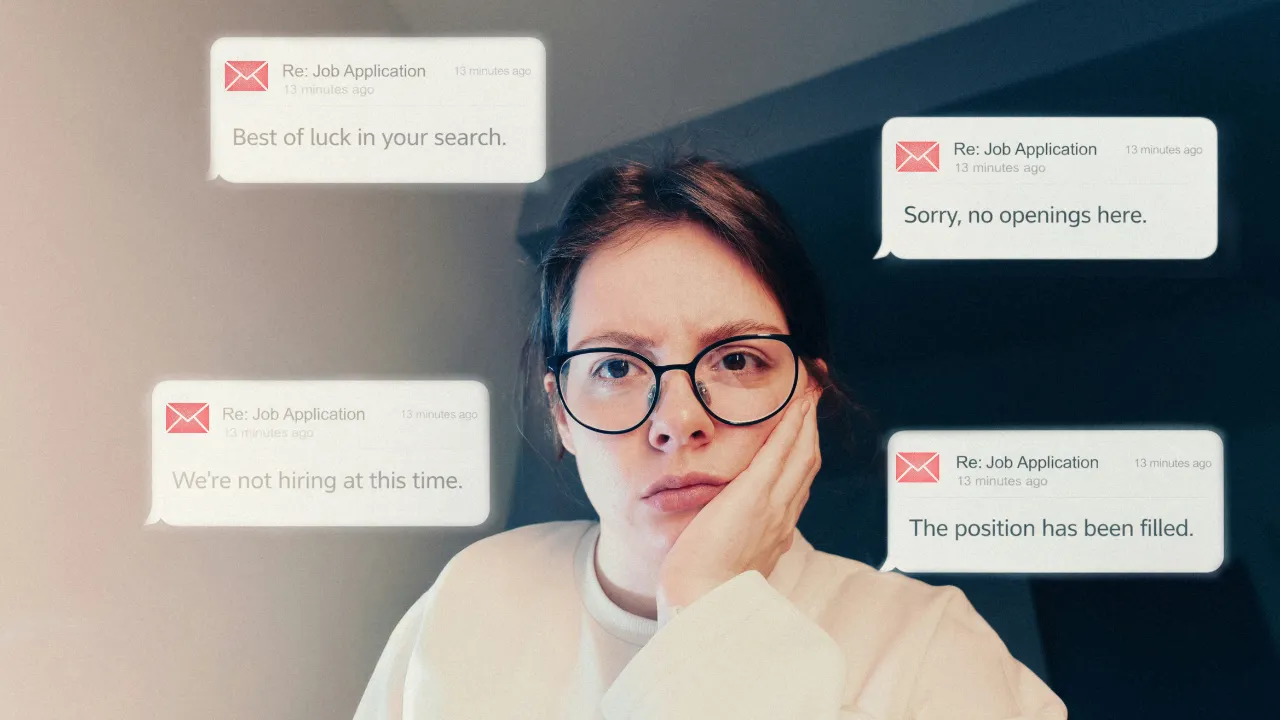
We’re cutting jobs and running short of experienced people at the same time.
On the surface, that may sound contradictory. Headlines highlight AI-driven layoffs, fueling concerns that machines are replacing workers. Many professionals report extended unemployment, sending applications into a void and struggling to find positions that line up with their experience.

Meanwhile, in fields including healthcare, education and the skilled trades, employers say they can’t fill critical positions. This goes well beyond a passing mismatch, and points to a labor market rewiring itself for the future of work.
Aging populations and declining birth rates are eroding the workforce across developed economies. Lightcast’s Fault Lines analysis forecasts that the United States is heading toward a meaningful labor shortage by the early 2030s, fueled by accelerating retirements and a smaller wave of younger workers entering the job market.

Put simply, experience is leaving faster than it’s being replenished.
Operating Models Were Designed For An Era Of Plentiful Labor
For decades, much of the economy ran on the assumption that workers would always be available to plug the gaps.
When labor is abundant, organizations tend to overlook inefficiencies in workflows, administration and even people processes. As workforce growth slows and retirements pick up, the cost of carrying those inefficiencies climbs, putting added pressure on the supply of experienced employees.
At the same time, AI is lowering the cost of generating and coordinating knowledge, removing much of the entry-level work where experience used to be cultivated. Emerging economic research from Anglia Ruskin University suggests this will push the scarce talent resource upward toward human capabilities AI cannot easily replicate, including the judgment needed to interpret, integrate and apply work in context.

Combine demographic strain with expanding AI capability, and the next phase of the future of work will reward systems built for human leverage.
That pressure is already showing up in industries that lean heavily on experienced talent.
Healthcare Reveals Why AI Won’t Fully Replace Human Workers
Picture a typical doctor visit. How much of the time you spend with a clinician is actually the moment of care, and how much is paperwork, intake, follow-up coordination and data entry wrapped around it? Much of healthcare’s labor intensity sits outside the clinical encounter itself.
Technology can ease the load. Ambient AI that drafts notes from the conversation, remote monitoring that flags risk earlier, and intelligent routing that channels patients to the right level of care can strip away substantial portions of that overhead. Predictive analytics can identify who may need attention before symptoms escalate, while post-visit tools can support follow-through and recovery without consuming additional clinician time.
The aim here is not to automate care itself. The goal is making sure scarce clinical expertise gets applied where interpretation, trust and complex decision-making genuinely matter.
Health systems that pull ahead will redesign care delivery so that clinicians spend more of their time in the moments only they can provide.
Education Faces The Same AI And Workforce Inflection Point
Education encounters a parallel dynamic at every level. Teaching and human development across schools, universities and professional environments remain deeply interpersonal. Yet much of how education is still delivered reflects needs and constraints that have long since faded.
Personalized learning platforms and AI tutoring systems can now manage much of what once consumed teacher time, including content delivery, basic practice and formative feedback. Students today are openly questioning the value of expensive higher education when much of what it offers can be obtained through cheaper, more personalized channels.
As knowledge transmission becomes increasingly automated, the center of gravity for educators has to shift. Education systems shouldn’t be using highly trained teachers for standardized content delivery. They should redesign the human role around the skills and experiences AI cannot replicate.
Skilled Trades Show How AI Augmentation Adjusts Labor Demand
Perhaps the most underestimated transition is unfolding in the skilled trades workforce.
The pressure right now feels very real. Many organizations struggle to find highly skilled technicians. These roles are often labeled automation-resistant because they involve physical work in unpredictable environments.
Even so, technology will redefine these roles too. Imagine your ability to repair a faulty washing machine using GenAI to diagnose the problem and walk you through the options. As more equipment ships with embedded diagnostics, augmented reality will guide complex repairs step by step, and physical AI and smarter products will allow more first-level work to be handled closer to the point of need. Less experienced people will be able to resolve situations that once required a technician visit, whether at work or in the home.
Over time, this will impact how the expertise of skilled technicians gets applied. The constraint will move from the number of hands available to the depth of expertise required to oversee, interpret and step in when increasingly intelligent systems hit their limits.
The Future Of Work Demands A Redesign Of Human Roles
Demographics are squeezing the supply of workers. AI is reimagining the demand for tasks. Together, they’re forcing a long-overdue reckoning with how work itself is structured.
In the years ahead, the competitive edge for any organization implementing technology will increasingly come from the ability to identify where unique human judgment generates disproportionate value, strip out the surrounding work that dilutes that value and build new pathways to develop human depth in technology-rich environments.
Organizations that make this change will be able to weather the coming talent squeeze, as well as define the future of work.