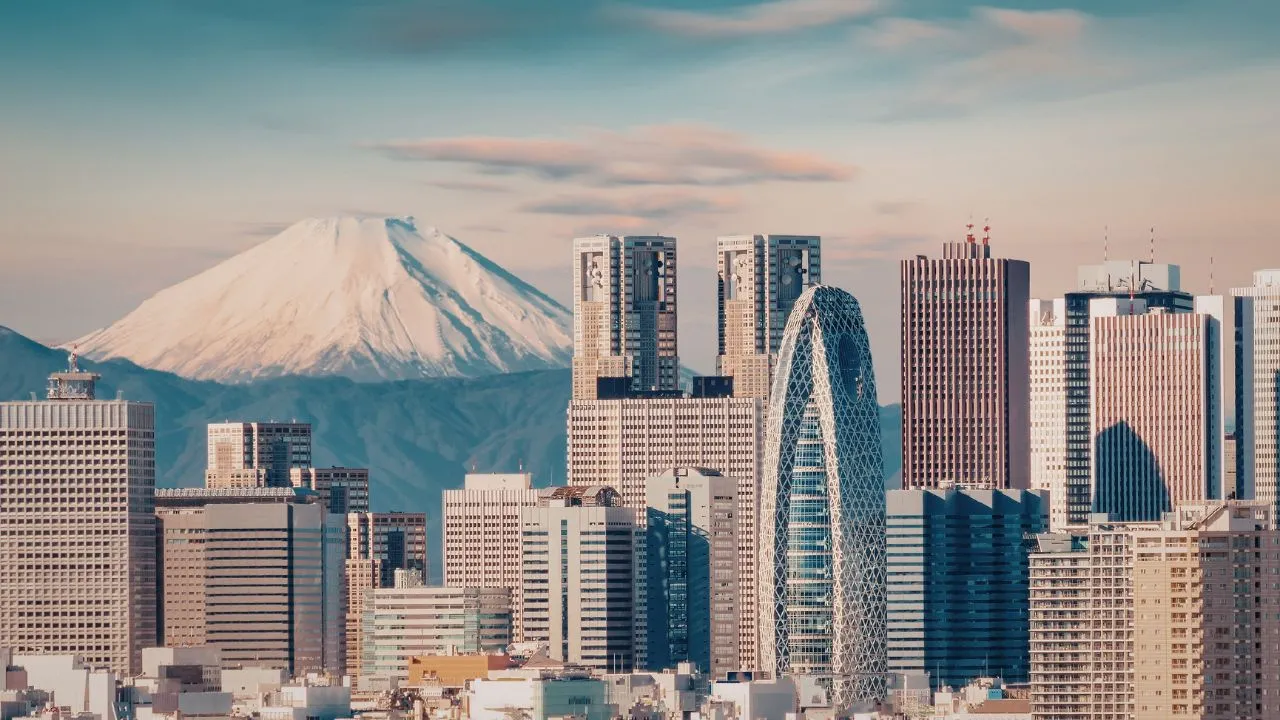
Flexible office space growth returned to Tokyo in 2025 as operators expanded into premium buildings and companies continued embracing hybrid work.
According to JLL Research, flex office supply across Tokyo’s five central wards increased by 34,800 square meters in 2025, including 12,900 square meters added during the second half of the year alone. Total flex space stock rose 7.8% year-over-year after remaining nearly flat in 2024.

Premium Buildings Drive New Openings
Many operators are concentrating on high-end locations as businesses continue prioritizing central, well-connected office space.
International Workplace Group opened another Signature location in the Nissay Marunouchi Building near Tokyo Station and expanded its existing Signature site in Roppongi Hills. Singapore-based JustCo also launched its premium brand, The Collective, in Gran Tokyo South Tower.

New flex sites are also appearing inside recently completed Grade A office towers. Domestic developer Chuo Nittochi Tatemono opened another SENQ location at Mita Machi Terrace, while Mitsui Fudosan expanded its Workstyling network with new sites in Iidabashi Gran Bloom and Shibuya Sakura Stage.
Occupancy Improves Across the Sector
Operators reported stronger demand from both startups and larger enterprise tenants as hybrid work patterns continued evolving across Tokyo’s business districts.
Higher occupancy rates are helping fuel expansion activity again after some providers slowed growth in recent years. Several operators that previously paused new openings have now re-entered the market, signaling renewed confidence in the flex sector.
Average monthly membership rates per seat across Tokyo’s central wards also increased roughly 10% year-over-year in late 2025, driven by stronger occupancy and growing demand for premium workspace offerings.
More Growth Expected in 2026
Additional openings are already planned across central Tokyo, including new sites from Signature, JustCo, and The Executive Centre near Tokyo Station.
The market’s recent momentum indicates a global trend where companies are continuing to reevaluate how much traditional office space they need, while flexible workspace operators position themselves as part of long-term hybrid work strategies.