
London is suffering from a high number of large listed buildings standing empty, with owners concerned about the excessive red tape and financial drain of making them fit for occupiers. Against this backdrop, London Mayor Sadiq Khan has set out his plans to reduce empty commercial property space in London, imploring office providers to take a “retrofit-first” approach.
With an incoming Minimum Energy Efficiency Standards (MEES) mandate requiring commercial properties over a certain size to achieve a minimum EPC B rating by 2030, the decision on retrofitting heritage assets will be taken out of developers hands before long.

While meeting regulatory duties is vital for businesses, there are other substantial benefits of retrofitting existing heritage buildings into modern office spaces. Bringing together the old and new in a workplace that strikes a balance between tradition and creativity can have fantastic benefits for tenants, including boosting employee wellbeing and reducing carbon emissions.
Office providers are beginning to recognize these opportunities. So, what do they need to consider as they approach the task of breathing new life into heritage buildings?

Fashion and function
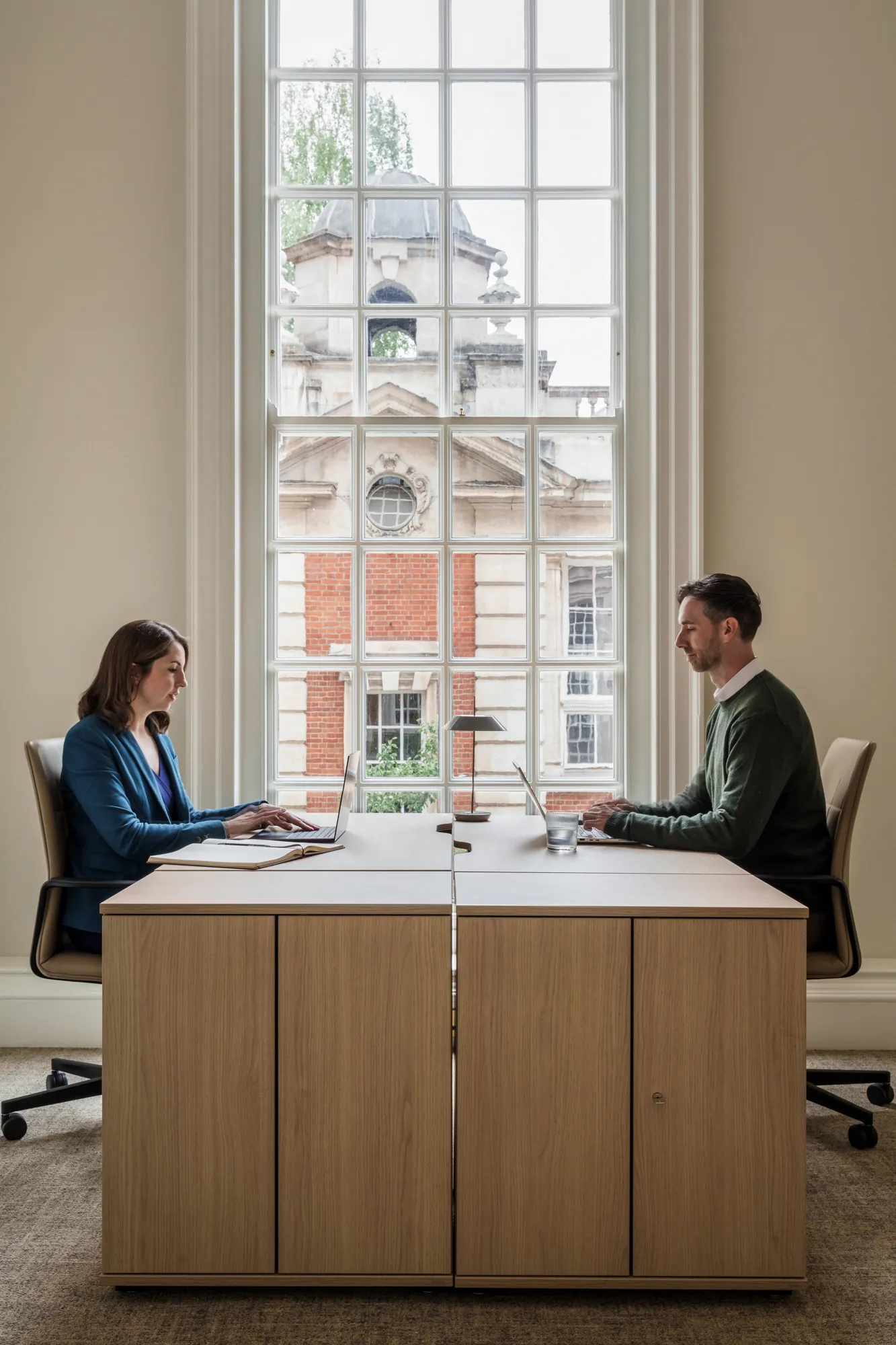
Design features of listed buildings — such as pillars or architraves — can offer a unique alternative to a standard “cookie cutter” office. In a competitive environment where tenants are looking for high quality office spaces, these features can help strengthen a building’s position in the market.
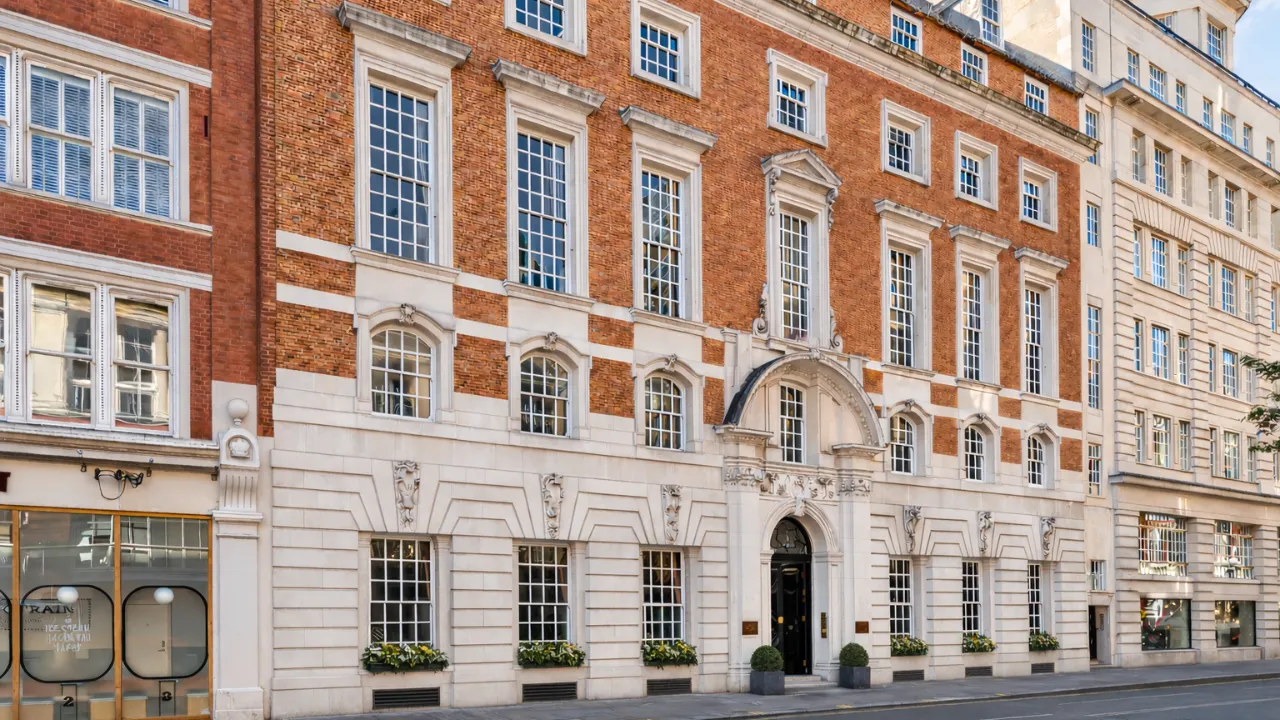
For example, Argyll’s Hudson House in Covent Garden is a Grade II listed building designed by Edwin Lutyens and built in 1905 as the headquarters of Country Life. It was therefore non-negotiable that the refurbishment had to honour the building’s rich history, while keeping the modern professional front of mind.
The refurbishment therefore carefully integrated original features, including the historic marble flooring and vaulted ceiling in the foyer, with modern office amenities, including showering facilities and digital meeting pods.
Meanwhile, underused “dead” spaces on each floor have been repurposed into kitchenettes and breakout spaces.

Reframing limitations
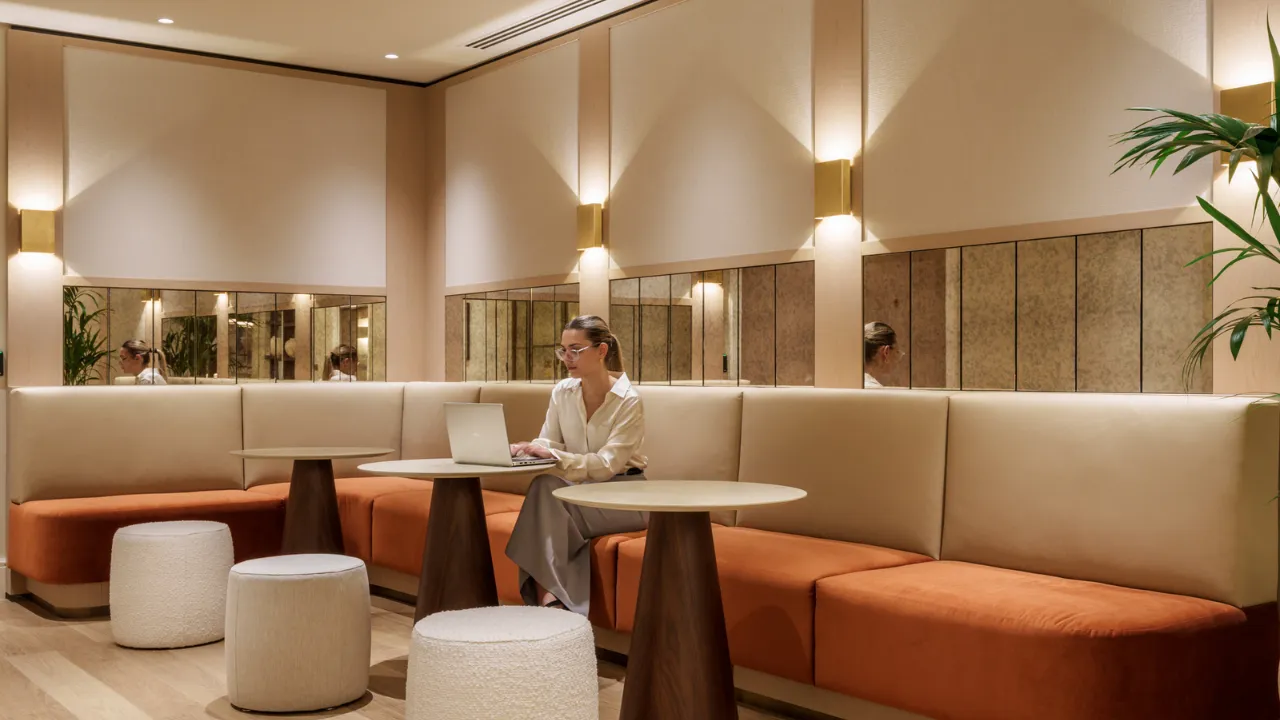
Listed buildings inevitably present constraints. The challenge is reframing these limitations to create unique, characterful spaces. For example, limited headroom on the lower ground floor of Hudson House allowed for intimate breakout areas to be created, making best use of original architectural features whilst meeting the needs of today’s workers.
Beyond heritage design, there are practical challenges that can arise when retrofitting listed buildings to function as office spaces. Strict guidelines need to be adhered to when working on protected sites — in the U.K., practically all internal and external alterations require Listed Building Consent (LBC), awarded only after an extensive application process.
Framing challenges like these as chances to showcase creativity in design can make red tape feel more like an opportunity to innovate, instead of a frustrating impediment to project completion.
Finding the balance between mindful design, planning restrictions, and sustainability can lead to unique and striking results.
Sustainable credentials
As the U.K. works its way towards Net Zero commercial construction targets, refurbishment of pre-existing assets is proving itself to be an increasingly popular venture for office providers looking to limit their carbon emissions, while boosting their green credentials.
Retrofitting will usually release fewer emissions when compared to ground-up development, as a significant proportion of an office’s carbon footprint will come from initial construction of the building.
Potential customers are increasingly monitoring and trying to reduce their impact on the environment, so office providers cannot afford to overlook the green credentials of their buildings. During the refurbishment of Hudson House, the design team prioritized sourcing sustainably, valuing the quality of materials and interiors over upfront cost.
For example, making the lighting in the building more energy efficient while ensuring it suited the modern workforce was key. Approaching sustainability measures with this level of detail was challenging but helped keep the environmental impact of the building to a minimum.
Small design decisions like these helped achieve an EPC A rating — a rarity for Grade II listed buildings.
The future of the workplace
With pressure from Sadiq Khan and incoming regulation, we are likely to see more workspace providers in the capital getting ahead of the curve to ensure their heritage spaces remain strong assets. The challenge is creating heritage workspaces that meet modern expectations for how people work, while also addressing regulatory and sustainability demands.
Ensuring listed buildings are refurbished with today’s workforce in mind can help keep these historic spaces valuable long into the future.