
Technology, artificial intelligence, and driverless cars have propelled the third transportation revolution. Today, we explore how this revolution will splash into the workspace-as-a-service industries and how workplace providers can best take advantage of it.
In a recent article, Lyft Co-Founder, John Zimmer, argues how most cities and places have been shaped by cars; especially by cars that aren’t being used. He means parked cars.

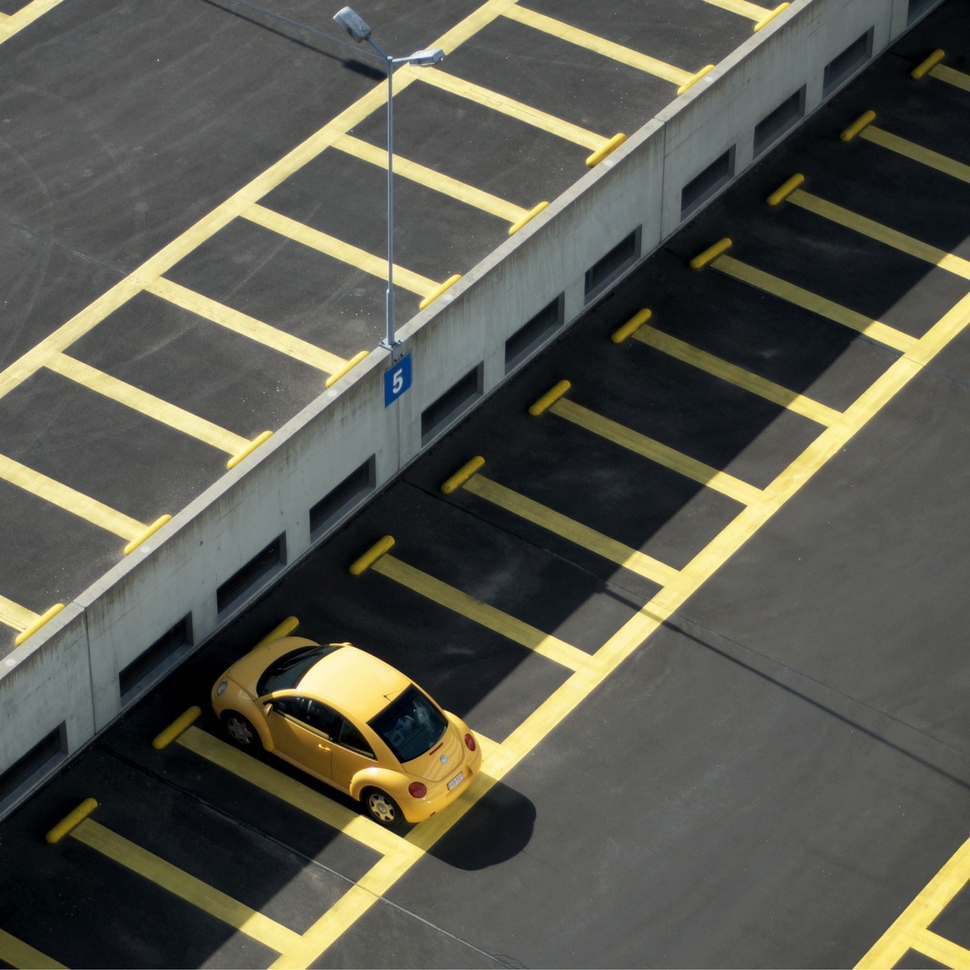
Imagine if you could take all the parking spots of your workspace and turn them into something else. Anything else. A garden, more workspace, an outdoor workstation, locker room, showers…the possibilities are endless. Or well, they will be in some years.
“Ridesharing has already begun to empower many people to live without owning a car.” According to Zimmer, “by 2025, private car ownership will all-but end in major U.S. cities.” For workspace operators and many businesses overall, this means people won’t be looking as much for parking spots.

“Transportation doesn’t just impact how we get from place to place. It shapes what those places look like…” -John Zimmer, Lyft Co-Founder
We will be able to repurpose and transform parking space. This is Zimmer’s biggest argument, and it’s one that will help re-shape cities throughout the world.
But, what does it mean for you as a workspace operator?
It means opportunity.
Not only does ridesharing take away the need for unnecessary parking space, it is also a way to tackle sustainability and reduce your environmental footprint.
According to ISS Group “New Ways of Working — The Workplace of The Future” White Book, towards 2020 in order for buildings to obtain LEED Certification, facility managers or owners will need to take into consideration how employees (and in your case workspace members) access the workplace.

Workplace sustainability is going beyond the confines of your workspace walls. Ridesharing will play an essential role in helping workers adopt new transportation methods to help their workplace reach its sustainability goals.
As ridesharing becomes more popular, cars will decrease in number; meaning there will be less automobiles contaminating our environment. Plus, it also means you will be able to start repurposing your parking spots sooner rather than later.
(And if you’re leasing parking spots from another business or company, it means you will be saving money, as the number of spots you’ll need will decrease with each passing year, if not each passing month.)
Even if you as a flexible workspace operator aren’t necessarily striving to obtain a LEED or any other green-building certification, ridesharing can help you strengthen your workspace community and do your bit for the environment.
There are various ways of incorporating ridesharing into your workspace. But if you’re of the mentality of go big or go home, reaching out to one of your city’s or neighborhood’s most popular ridesharing options might be the best way to go about it.
Green Spaces in Denver, Colorado is already doing this.
They have partnered up with Zipcar to promote ridesharing among Green Spaces members.
By doing so, Green Spaces members get an exclusive deal when they use the service; providing members with a new opportunity to share time and bond with their fellow coworkers.
Like we’ve explored during the month of October, sustainability is the new norm. Each year you don’t adopt sustainable practices is another year of missed opportunities and needlessly high energy costs.
Ridesharing is your next opportunity. Grab it and embrace it before somebody else does and give your workspace members an easy way to bond and do their own part for the environment.