A conversation with Blake Zalcberg, CEO of OFM, on how the furniture in a workspace can send a message to potential clients.

Workspace preferences have changed; this change has led to developments in space layout and technology, but also in the type of furniture that workspaces use. The days of ball claw foots, brass pulls, and opulent desks with hutches are long gone; people are looking for cleaner, sleeker, and more modern designs that can incorporate technology elements to them.

“People see what companies like Facebook and Google are doing with their spaces, and people look up to that. But, not everyone has the budget that Facebook and Google have, and businesses and operators need to focus on the impression that they want to make on clients and employees.”
Furniture choice can greatly contribute to this impression and help create the right environment for your business or space. How you present your space can help you attract new talent or clients, and in order to speak to your target market, Zalcberg claims that “it’s important to consider the type of work that will be done and how it’ll be done, in order to define what your workspace can handle.”

“You want furniture to send the right message; are your desks and seating saying only one person can work here or are they saying, I’m supposed to be doing work with other people? Is this an environment in which collaboration is looked at positively? Is this a place where we want you to feel comfortable with closing the door and not worry about who’s listening behind you? Is this a place where you can collaborate and also close the door when needed?”
“There’s no one right answer that solves this,” he adds. But picking the right furniture and positioning it in the right place can aid in sending potential clients the right message on what type or types of environment your workspace offers.
Furniture design is one aspect that’s greatly changed the workspace but, the principal pieces that any workspace needs continue to be the same. “You still have a reception desk and seating, and you still have work desks.” However, Zalcberg explains, the goal of the furniture has changed, it’s not merely about functionality and usability; it’s also about creating an inviting space.
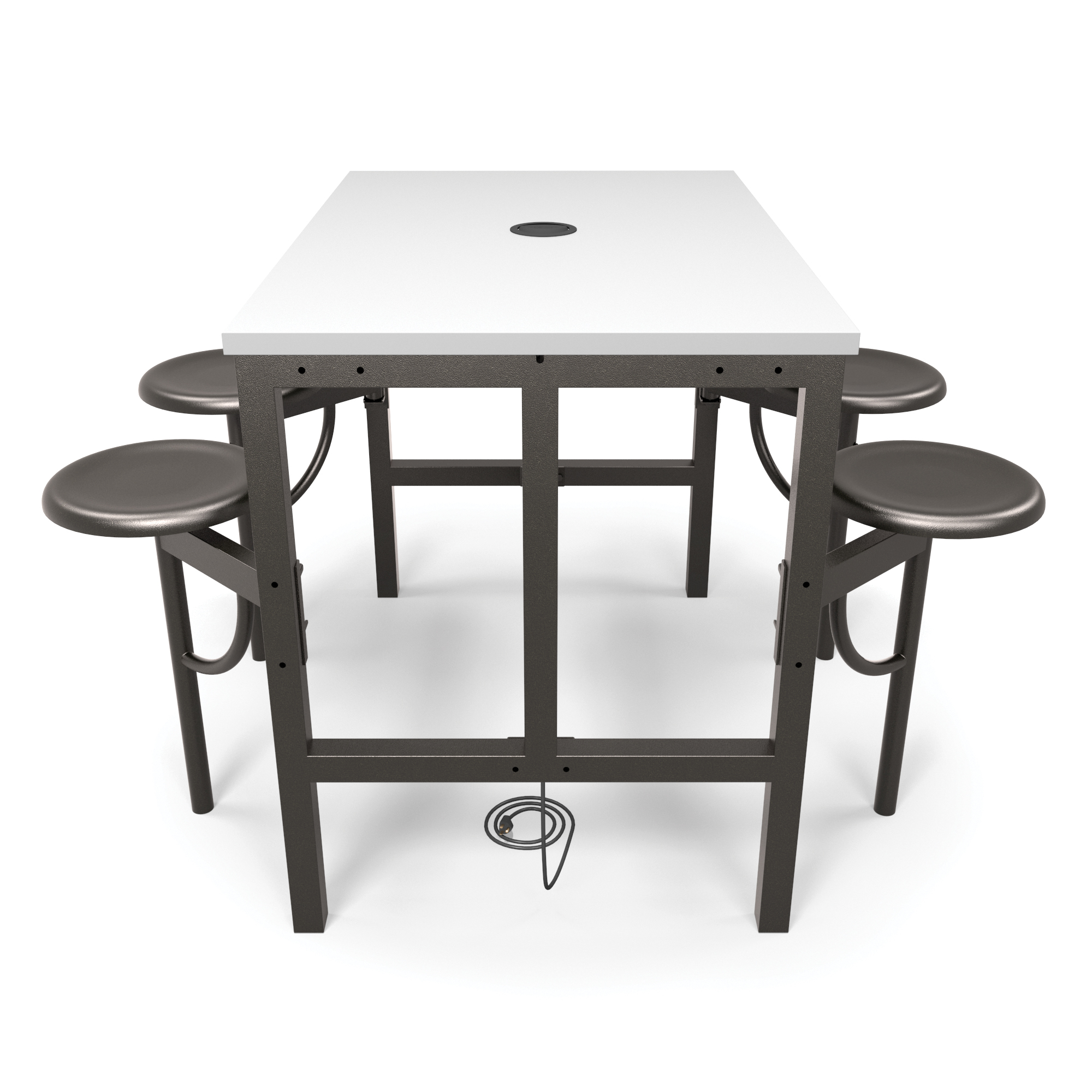 And it makes sense. A significant amount of professionals have adopted a flexible work style and they tend to treat anywhere and everywhere as a potential office. Be it a hotel reception area, a coffee shop, or an airport, mobile workers are likely to sit down, connect, and work. Having furniture that allows this – like desks with electrical outlets and comfortable and adjustable seating – can help operators attract new clients.
But, Zalcberg says, it goes beyond having an inviting ‘touchdown space’. Professionals spend most of their time at the office (workspace) and many work with highly flexible schedules. “Operators should focus on creating an environment that drives people to want to spend time in the office; make the workspace be a home away from home of sorts where even during down time, people want to spend their time there.”
This is one of the reasons why ‘cool offices’ have become so popular; they create a sense of ‘I can’t wait to go to the office’. It’s a motivational attribute that well-chosen and well-designed furniture has.
So, what type of furniture do ‘cool offices’ have that can help you send out the right message? Zalcberg mentions the following:
- Modular white boards
- Work surfaces with white boards
- Laminated tops
- Height adjustable desks
- Multi-monitor arms
- Furniture that helps delineate a free space
- Big TVs
- Ping pong tables
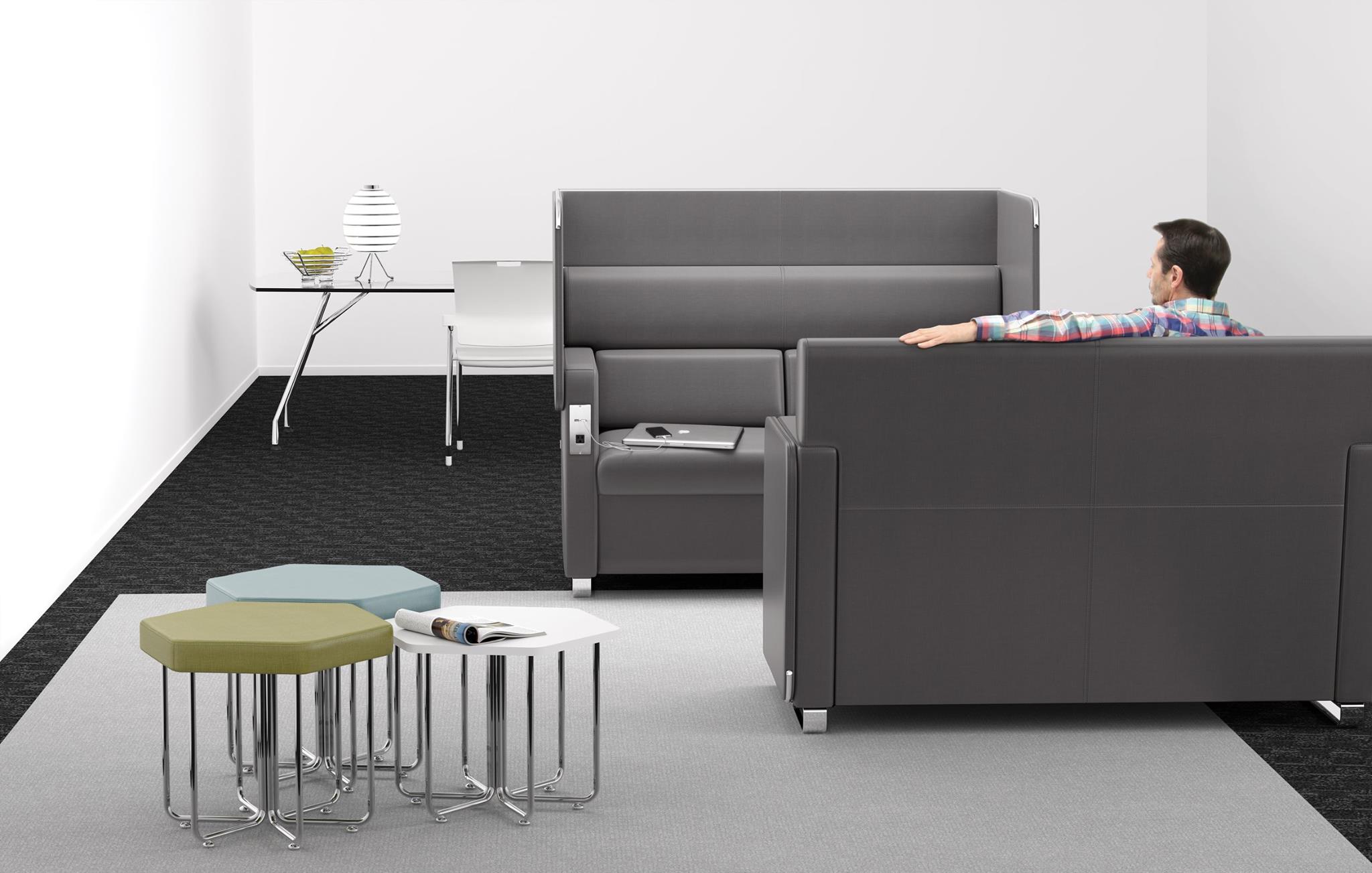
*Feature image taken form OFM’s Facebook Page