
- Many businesses are now embracing the benefits that come with the flexibility of a hybrid home-and-office model.
- How do you encourage people to utilize the office after they’ve spent so much time working from the comfort of their homes?
- Stylization is one way to tempt workers into the office. It’s a combination of artwork, objects and artifacts, plants and greenery, and experiential elements that makes workspaces feel like home.
This article was written by Caitlin Turner and Kristina Kamenar, and was originally published on Work Design Magazine.
By now it’s clear. Hybrid work is here to stay.

While many businesses were reluctant to embrace hybrid’s home-and-office model before COVID, many are now realizing the benefits that come with allowing employees the flexibility of occasionally working from home while still providing an office where employees can come together to ideate, collaborate, and bond.
Yet hybrid work does come with a big challenge: How do you encourage people to utilize the office after they’ve spent so much time working from the comfort of their homes?

An effective and overlooked solution may be found in stylization. Stylization is the use of artwork, objects and artifacts, plants and greenery, and experiential elements that connect us to a space in ways architecture alone cannot. Stylization complements architecture by adding warmth, depth, and comfort. In short, it makes spaces feel like home.
Stylization has advantages for hybrid work as it can influence people’s emotions in ways that enhance productivity, encourage connections, and boost mental well-being. These experiences stem from two opposite, yet complementary, psychological states: awe and flow. Design elements that foster a sense of awe fill us with a sense of curiosity and admiration, spurring socialization and sharing. On the flip side, design that facilitates the flow state helps us slow down, focus and reflect.
Stylization’s 4 Core Components
So, how can organizations apply stylization to take advantage of the awe and flow states and make hybrid workplaces better utilized and more inviting? A good place to begin is with an understanding of the four key elements of stylization.
1. Artwork
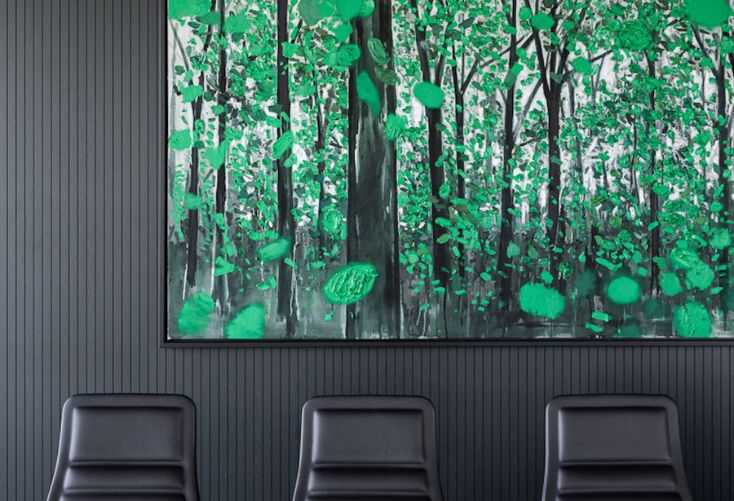
Artwork helps reinforce the overall design aesthetic of a space. Paintings, sculpture, posters, and other types of art can inspire a sense of awe that draws people together. Conversely, artwork can also trigger emotions that cause people to turn inward and reflect, supporting the flow state. Art may also be used to support brand or community messaging, such as curating and displaying artwork that represents and supports marginalized people.

2. Objects and artifacts
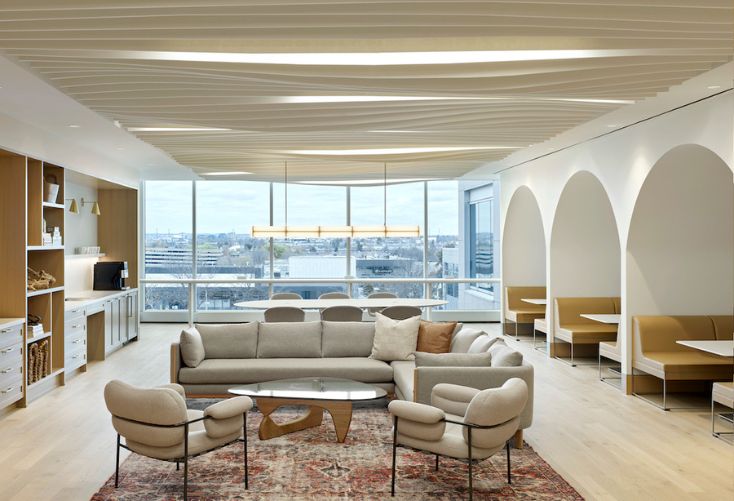
Objects and artifacts can include books, pottery, glassware, baskets, furniture, and other design elements that link spaces to culture and history. Like artwork, objects and artifacts can inspire both awe and flow states by supporting curiosity, making spaces feel more comfortable and familiar and providing people the choice to engage with the object and artifact. An example could be a lounge space with coffee-table books that reference and support the building’s art collection or tell the story of the city where an office is located.
3. Plants and greenery
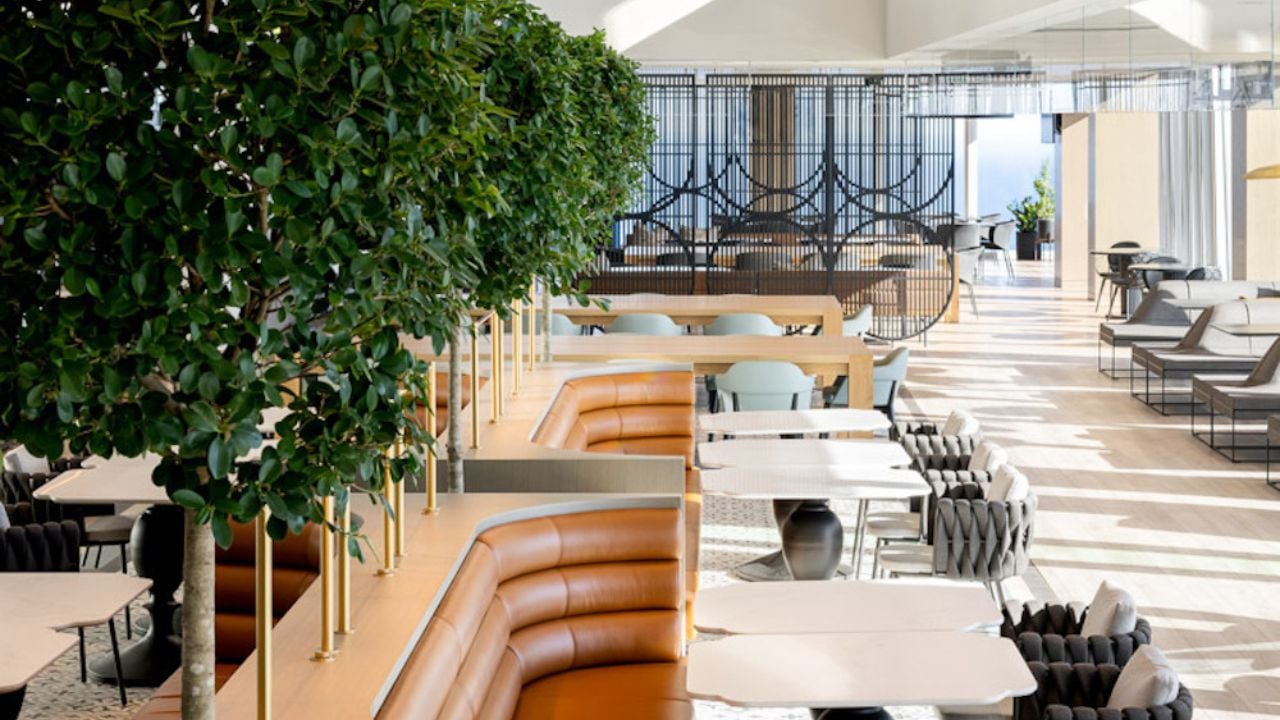
Nature elements, such as plants and greenery, ground people to the outdoor world and support biophilic design, which has been proven to benefit human health and well-being through connections to nature. Plants and greenery support the flow state through serene backdrops that support focus and reflection. Plants also help filter the air and improve indoor air quality, further aiding concentration.
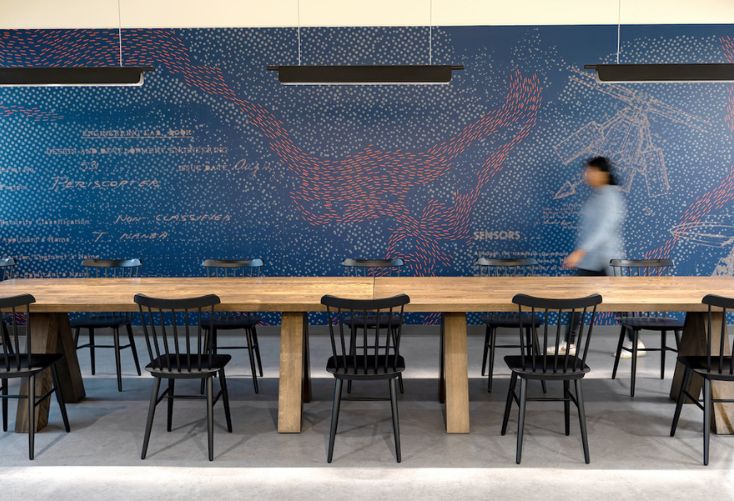
4. Experiential elements
Experiential elements such as wall graphics, signage and lighting help build authenticity and brand awareness and provide internal and external audiences with messaging that reinforces team goals. Experiential design supports both the flow and awe states by supporting a common mission and instilling a sense of wonderment through illustration, wording, and design.
How to Apply Stylization
Stylization can be added to new or existing spaces. For new projects and renovations, we recommend stylization be part of the initial design process. This is especially important for incorporating experiential design into a space and for ensuring art, plants and artifacts speak to and complement the final project design.
Existing spaces can add stylization in layers and in any order. Organizations could begin first with a small art program and then move on to greenery or begin with a few subtle artifacts and objects and advance to more visible experiential elements. Whatever the case and whenever it begins, one of the great things about stylization is that it can make an impact at a fraction of the cost of larger design changes.
While stylization is a crucial component of design, it has—at times—been dismissed as the type of “decoration” anyone can perform. While HGTV, Pinterest and other media have made stylization more mainstream, it is something that requires experience and knowledge to be done well. For this reason, we recommend organizations consult with an expert (either a credentialed designer or professional, such as a horticulturist or art curator) before launching a stylization program.
Why Stylization, Why Now
Employee surveys routinely uncover the same thing: Today’s hybrid worker enjoys the flexibility and convenience of working from home while also valuing the connections and socialization that only occur in the office.
Stylization can help foster the type of engagement and interaction that makes the office such an important resource. By melding art, nature and other aesthetics, it also makes the office more comfortable and appealing—a “home away from home” that people want to return to again and again.