


- Each year, Americans throw out 12 million tons of furniture, and a major culprit is the business sector.
- Wear-and tear is expected, but organizations should consider the cost of furniture restoration instead of investing thousands of dollars in new replacements.
- More than ever, workers want to be part of a progressive corporate culture that’s in keeping with their values and is also protecting the planet.
This article was originally written by Robin Weckesser, Jennifer Denny, and Darryl Denny for Work Design Magazine.
As the workplace of the future continues to evolve in today’s hybrid world, organizations face constant risks and uncertainties. But one workplace solution — repurposing furniture — is as grounded as the ubiquitous office cubicle. The repurposing plan includes restoring sustainability, recouping unnecessary losses, and rediscovering the allure of vintage design.

While it may seem convenient for corporations to buy new furniture, it’s also very costly—to the environment and your bottom line. The fact is, each year, Americans throw out 12 million tons of furniture, and a major culprit is the business sector. According to the Environmental Protection Association (EPA), 80% of this “waste” ends up in increasingly scarce landfill space, leading to even more serious sources of pollution.
Why has repurposing (upcycling) become an especially critical issue today? In the wake of the pandemic, more than one-quarter of U.S. employees continue to work remotely, resulting in reduced office footprints and a glut of furniture and furnishings. Even as employers attempt to lure workers back to the office, the work-at-home trend is actually expected to grow in coming years.

A related trend is that more companies are downsizing, liquidating, relocating, and closing. A casualty of this process is the enormous amount of office material that is entering the solid waste stream. It’s also worth noting that the majority of this material isn’t biodegradable.
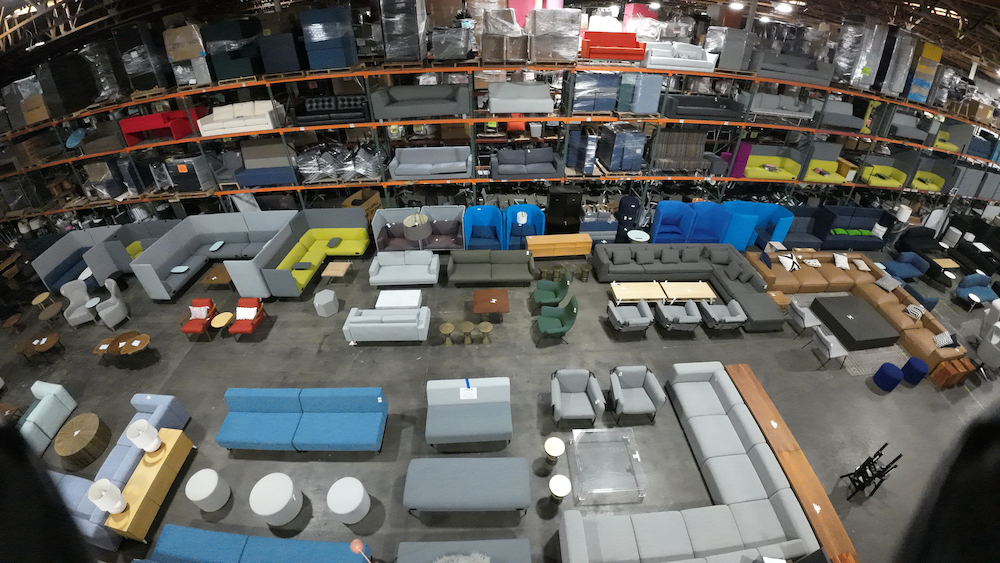
Environmental Impact
- Many landfills are at a saturation point, while open dumps and incinerators still emit CO2 and noxious methane gas into the atmosphere at a frightful rate.
- Buying new items made from wood means cutting down trees and accelerating deforestation, which contributes 15% to global greenhouse gas emissions.
- You can reduce the amount of VOCs (Volatile Organic Compounds) that vaporize in the air. These harmful chemicals are associated with many health problems and are proven carcinogens. The longer you keep furniture, the less harmful the effect of VOCs.
- You can become a more sustainable company with more LEED points. By repurposing furniture, you can earn Leadership in Energy and Environment Design points in 15 different areas.
- Overall, the longer we hold onto useful furniture, the more energy and resources we conserve, and the more we avoid producing new (and unnecessary) pieces.
Economic Benefits
- A big part of the decommissioning process (see below) is the sale of office furniture to vendors and end-users. It’s ironic that so many companies dismiss this route, which typically involves limited effort and can yield substantial returns.
- According to the EPA, American companies spend up to $100 million in furniture disposal costs per year.
- Classic furniture typically sells for at least half the price of newly manufactured pieces—and it certainly has superior craftsmanship and personality compared to “fast furniture.”
Community Benefits
- Another part of the decommissioning process is making donations to worthy charities that don’t have the resources or the budget to afford to buy furniture.
- At the same time, organizations that make such donations are eligible for tax deductions. So it’s win-win.
Quality and Aesthetics
The fact is that quality furniture is built to last, even with heavy use. The average lifespan of office furniture is at least 10-20 years. And if you spend wisely on timeless designs, classic pieces, including those from the 20th century, have a certain cache—and sometimes an endearing patina.
Yes, wear-and tear is expected, but consider the cost of restoration instead of investing thousands of dollars.
Whether you’re an old-school Baby Boomer or Generation Z, there is a growing appreciation in the value of going vintage versus going to the factory.
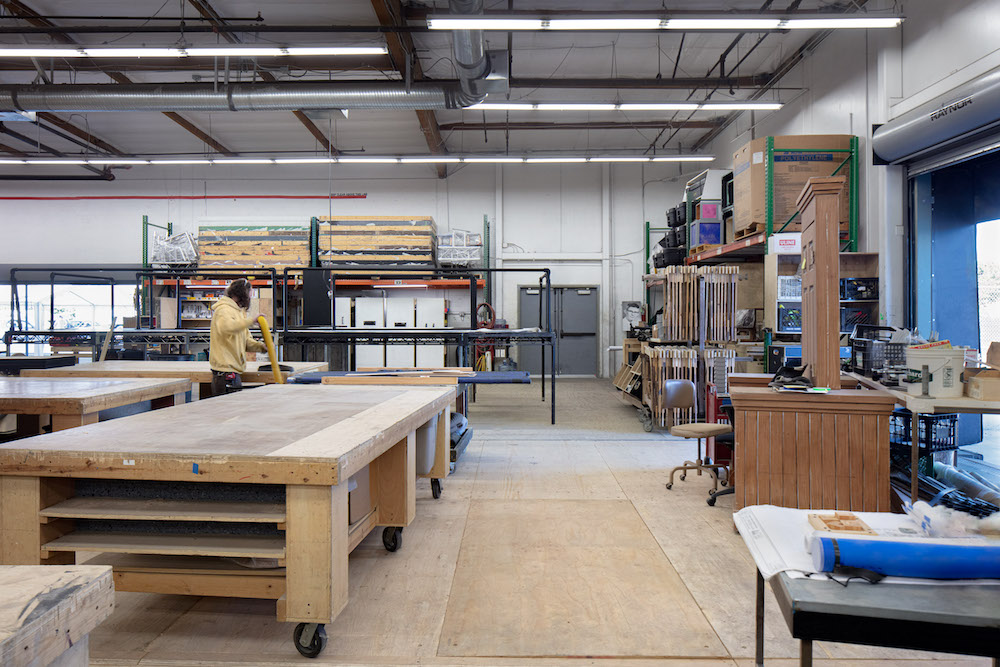
Decommissioning: How to Make it Work for You
The repurposing of furniture comes alive through a process known as decommissioning. Since every organization is different, and one size doesn’t fit all, this process is customizable, but it involves the following steps:
- Determine the disposition of your furniture and furnishings with an accent on what is salvageable.
- The cost to go through the process.
- This involves selling through a reseller whereby you receive the proceeds.
- Gifts to eligible nonprofits.
- This involves materials that cannot be donated (may involve some repair and replacement).
- Non-recyclable items sent to landfill.
- Summary documents to customers.
In most cases, even with the best due diligence, it is still necessary to ship some items to the landfill. But when you review all available options, the landfill trips are minimized while profit, sustainability, and community outreach are maximized.
Success Stories
Fortunately, thousands of organizations have realized win-win solutions by repurposing their furniture and leveraging the process described above. These organizations took various routes in the decommissioning process, resulting in significant savings, positive environmental impact, and design satisfaction.
Last year, we helped MongoDB find effective solutions in its San Francisco and Palo Alto locations. In San Francisco, Mongo signed a short-term lease to occupy 10,000 square feet in a multi-tenant building. The space had existing workstations, chairs, and pedestals, and Mongo decided not to make construction alterations nor make a big investment in furniture. Rather, it was critical that Mongo move in as fast as possible and not exceed budget projections.

To meet these expectations, we suggested that Mongo supplement the existing furniture with repurposed furniture. Mongo, consulting with a3, Greener Source, and the architect, surveyed and selected ancillary office furniture, including tables and chairs for conference and breakrooms, the lobby, and three soft-seating areas.
Within 48 hours, the furniture was delivered, and the client was happy…not only with the immediate turnaround but also the saving of approximately 65% through the purchase of re-used furniture—which the staff thought was new—versus actual new furniture. Another significant benefit was that the repurposed furniture blended so well with the remaining furniture.
In short, Mongo’s experience was essentially seamless. Still, if repurposing furniture makes so much sense, why haven’t even more companies responded? Some may be short-sighted and impatient; others feel they don’t have the expertise to do it on their own. Most often, companies simply lack the knowledge of how great the stakes are—and how great the rewards can be when you take a strategic approach and partner with experienced project management specialists.
Next Steps
Ready to see how this can work for you? It starts with a discussion about renewability and social responsibility. It involves a focused strategy and roll-out. And of course, this includes considerations for fiscal viability.

Ultimately, the workplace is about the people behind the workstations. Whether we’re talking about full-time, on-site employees—or those remote workers who, incidentally, need to return to their corporate base at some point—we should recognize that all employees want to work for an organization they respect. More than ever, they want to be part of a progressive corporate culture that’s in keeping with their values and is also protecting the planet!
In today’s new normal, being a good corporate citizen means doing the right thing. And sometimes, what’s right for the environment is also aesthetically pleasing and right for the bottom line.