



Advertisements
Your Brand Deserves The Spotlight - Advertise With Us - Allwork.Space
  • Marketplace
  • Resources
  • Business Directory
  • Events
  • Advertise
  • Publish a Press Release
  • Submit Your Story | Get Featured
  • Get the Newsletter
  • Contact
  • About Us
The FUTURE OF WORK® since 2003
Allwork.Space
No Result
View All Result
Subscribe
  • Submit Your StoryNew
  • More
    • Columnists
      • Dr. Gleb Tsipursky – The Office Whisperer
      • Nirit Cohen – WorkFutures
      • Angela Howard – Culture Expert
      • Drew Jones – Design & Innovation
      • Jonathan Price – CRE & Flex Expert
    • Get the Newsletter
    • Events
    • Advertise With Us
    • Publish a Press Release
    • Brand PulseNew
    • Partner Portal
  • Latest News
  • Business
  • Leadership
  • Work-life
  • Career Growth
  • Tech
  • Design
  • Workforce
  • Coworking
  • CRE
  • Podcast
  • Submit Your StoryNew
  • More
    • Columnists
      • Dr. Gleb Tsipursky – The Office Whisperer
      • Nirit Cohen – WorkFutures
      • Angela Howard – Culture Expert
      • Drew Jones – Design & Innovation
      • Jonathan Price – CRE & Flex Expert
    • Get the Newsletter
    • Events
    • Advertise With Us
    • Publish a Press Release
    • Brand PulseNew
    • Partner Portal
  • Latest News
  • Business
  • Leadership
  • Work-life
  • Career Growth
  • Tech
  • Design
  • Workforce
  • Coworking
  • CRE
  • Podcast
No Result
View All Result
Subscribe
Allwork.Space
No Result
View All Result
Advertisements
Drive more revenue to your coworking space - Alliance Virtual Offices
Home Workforce
In collaboration with

Crafting The Perfect Office: How A People-Centric Approach Can Revitalize Post-Pandemic Workspaces

Yong In of Unispace shares four ways employers looking to up their in-office attendance can consider taking a people-first approach to office design.

Work Design MagazinebyWork Design Magazine
August 11, 2023
in Workforce
Reading Time: 6 mins read
A A
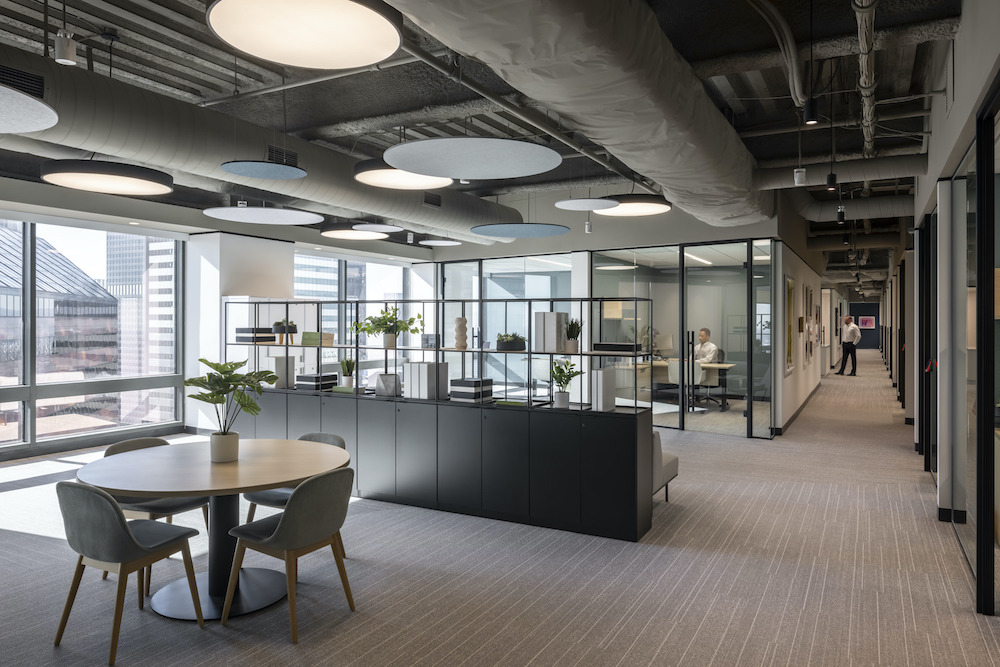
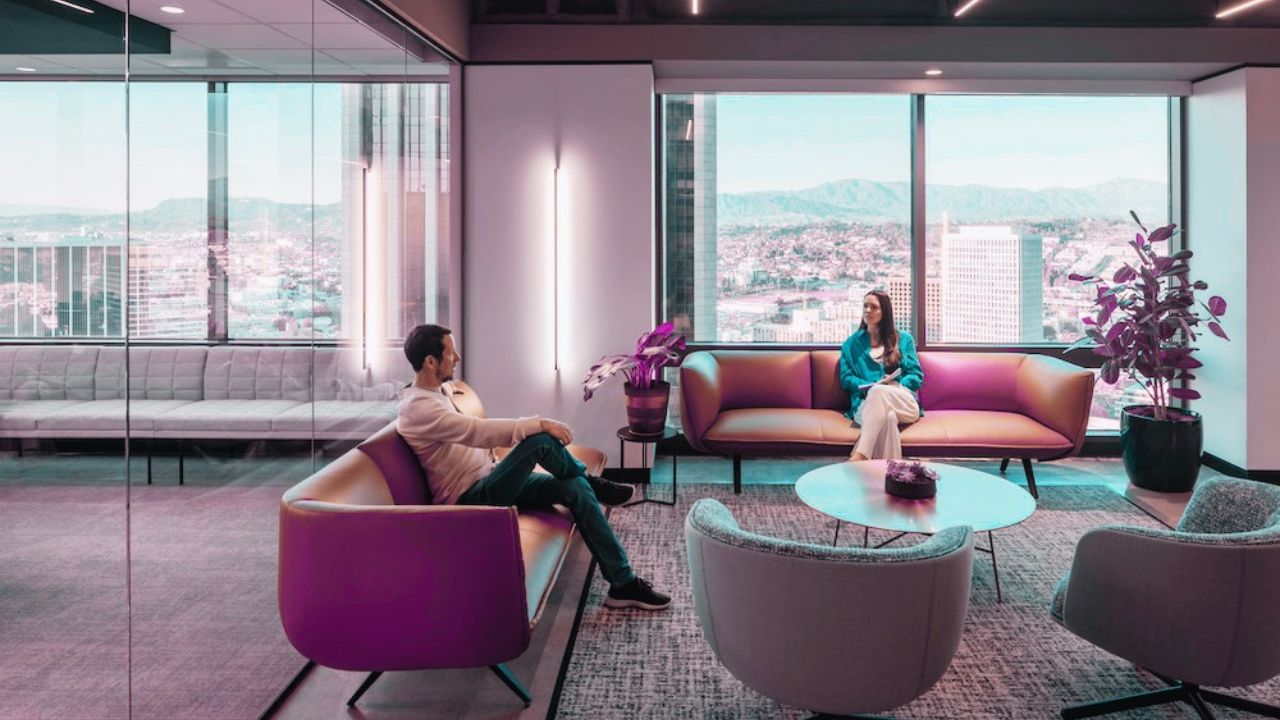
If employers want to bring their people back into the office, it is crucial that they create a people-first, flexible and inclusive space for employees to work and collaborate together. Orrick Los Angeles Offices by Unispace | Photography by Lawrence Anderson

If employers want to bring their people back into the office, it is crucial that they create a people-first, flexible and inclusive space for employees to work and collaborate together. Orrick Los Angeles Offices by Unispace | Photography by Lawrence Anderson

  • More than half (58%) of employees around the world say that they struggle to effectively carry out their core role in their current office environment.  
  • Rethinking how the office is designed based on how employees like to work is crucial to ensuring workers of all stripes can be as happy and productive in the office as they are at home. 
  • When a company understands the individual needs of each team member, they can intentionally craft a people-first space that will optimize the experience of working.  

This article was written by Yong In of Unispace for Work Design Magazine.  

Ironically, the multibillion-dollar industry designed to create spaces where people can get work done effectively and efficiently seems to be somewhat out of touch with employee needs. 

Advertisements
Nexudus - Waste of Space? (Green)

According to a recent report, more than half (58%) of employees around the world say that they struggle to effectively carry out their core role in their current office environment. As more organizations begin to shed pandemic-era remote work allowances and mandate in-office attendance, rethinking how the office is designed based on how employees like to work is crucial to ensuring workers of all stripes can be as happy and productive in the office as they are at home. 
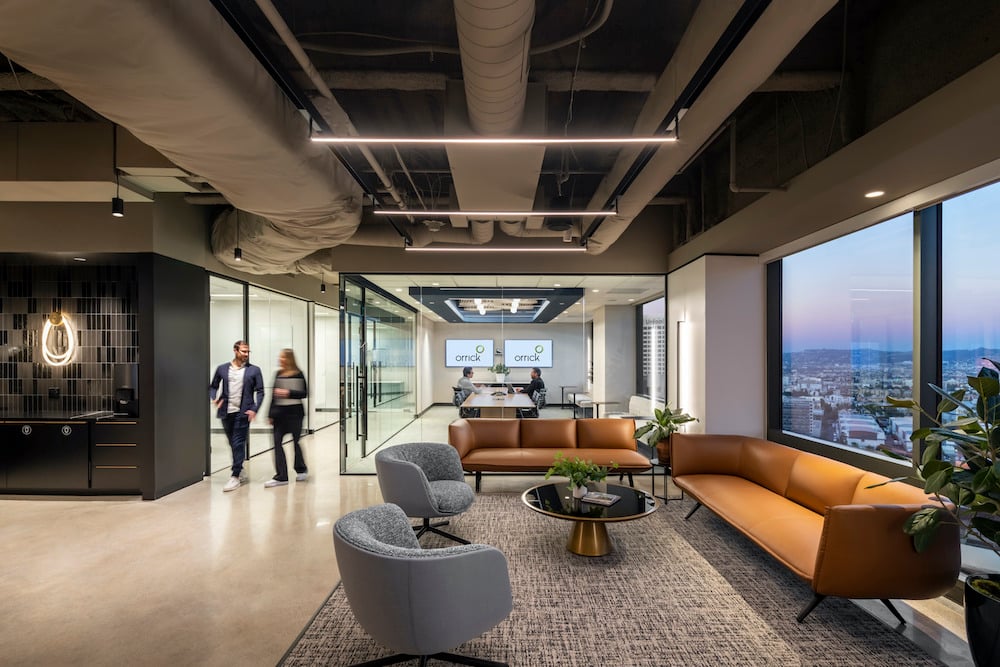
Orrick Office Los Angeles. Los Angeles, CA. Unispace.
Orrick Los Angeles Offices by Unispace | Photography by Lawrence Anderson

Taking a people-first approach to office design means considering the various work styles, emotions, senses, differing life experiences and abilities of every employee. When a company understands the individual needs of each team member, they can intentionally craft a people-first space that will optimize the experience of working and promote emotional well-being, mental wellness and Diversity, Equity, Inclusion and Belonging (DEIB) initiatives. 
Advertisements
Your Brand Deserves The Spotlight - Advertise With Us - Allwork.Space

Employers who want to make the transition back into the office as enjoyable and productive as possible for their employees are embracing this people-first approach, integrating physical and virtual spaces to create more holistic, interactive, and immersive office experiences that cater to people with varying abilities and employees who rely on the flexibility provided by remote and hybrid work. 

Here are four ways employers looking to up their in-office attendance can consider taking a people-first approach to office design: 
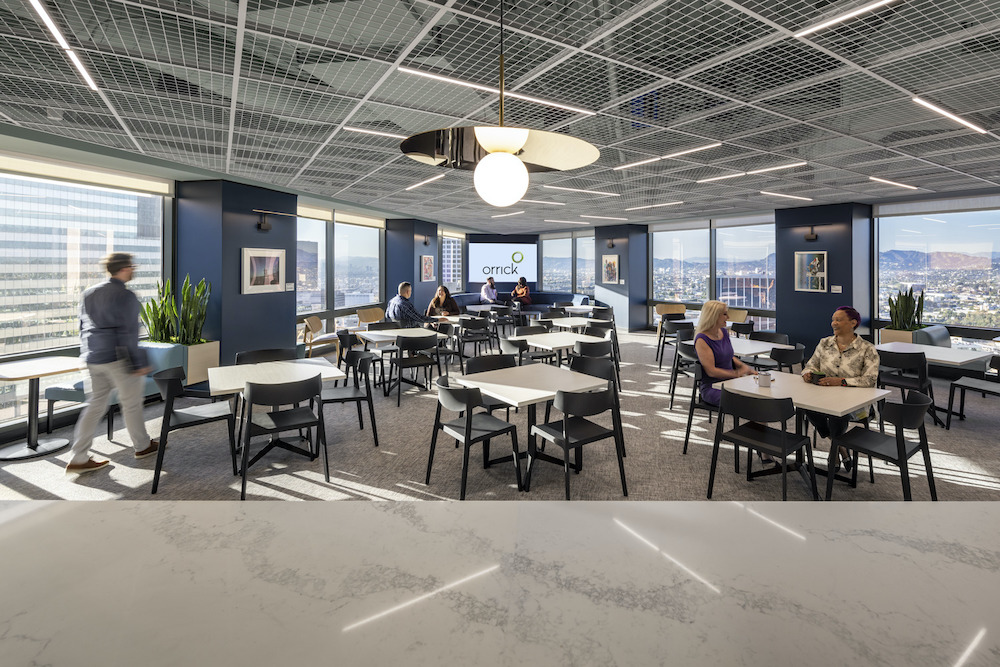
Orrick Office Los Angeles. Los Angeles, CA. Unispace.
Orrick Los Angeles Offices by Unispace | Photography by Lawrence Anderson

1. CONNECTION + COMMUNITY BUILDING

One major lesson of the pandemic? People need community, and many of us were used to getting that at work. Employers who want to foster a sense of comradery among community-starved employees must consider ways to make the office a place where workers actually want to go. For some organizations, this means providing ample space for impromptu collaboration, such as flexible lounge areas, coffee-shop inspired lunchrooms or hospitality spaces where employees can gather before and after work to socialize and ideate. 

Using community-centric design strategies in the office acknowledges the fundamental human need for social interaction and creates a sense of belonging for employees. Prioritizing people in office design allows for spaces that facilitate collaboration, connection, and meaningful shared experiences. 
Advertisements
Get more revenue. Do less work - Alliance Virtual Offices
Orrick Office Los Angeles. Los Angeles, CA. Unispace.
Orrick Los Angeles Offices by Unispace | Photography by Lawrence Anderson

2. WELLNESS + SENSORY EXPERIENCES

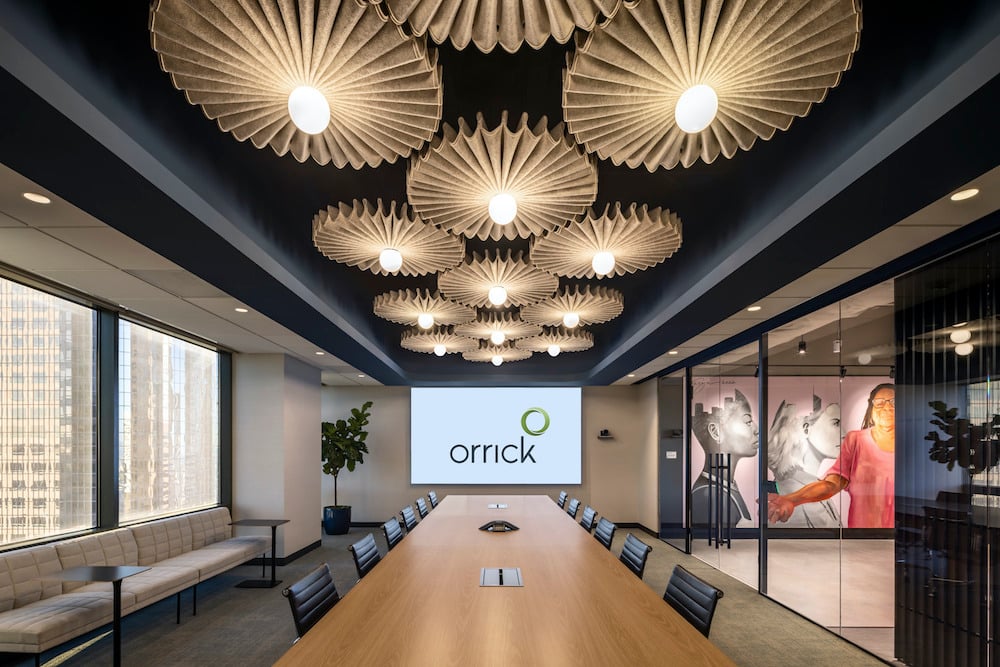
Creating an office environment in which occupants’ physical and mental health needs is becoming a major theme in post-pandemic office design. For example, many companies are incorporating nature and biophilic elements into the workplace, creating calming and sustainable spaces which feature lots of natural lighting, plants and even sometimes water elements. Additionally, employers are increasingly realizing the necessity of creating sensory experiences within the office for productivity. The open-office design made popular a decade ago has been proven to be distracting and challenging, especially for neurodivergent employees, who make up approximately 15-20% of the total workforce population. 

Designing immersive spaces that captivate our senses and evoke an emotional response provides people with a heightened connection to their surroundings. Some thoughtful, people-first trends in office design include installing acoustical ceilings and soft surfaces to address the noise concerns of open-plan design, strategically placing plants to enhance visual privacy, providing a connection to outdoor space, and ensuring employees have choices and several options for a bit of peace and quiet, be they wellness and meditation rooms or soundproof phone booths and offices where heads down focus work can be done. 
Orrick Office Los Angeles. Los Angeles, CA. Unispace.
Orrick Los Angeles Offices by Unispace | Photography by Lawrence Anderson

3. IMMERSIVE + SEAMLESS TECHNOLOGY

Amid all the recent attention on AI and Metaverse, it’s time we turned the attention back to people and begin to utilize technology as a tool to enhance our humanity – our creativity, our innovation, and our imagination. In design, we call the integration of technology and real life the “phygital” experience, a seamless combination of our digital and physical worlds. 

From smart whiteboards that can save data from in-person brainstorms to conference rooms designed for a seamless meeting experience for both in-office and remote attendees, utilizing and incorporating the latest technology into our work environments can boost productivity, enhance the work experience and give time back to ourselves for more meaningful work. 
More stories for you

U.S. Planned Layoffs Plummet 53% In November, But Still Outpace 2024 Levels

U.S. Planned Layoffs Plummet 53% In November, But Still Outpace 2024 Levels

7 hours ago
U.S. Weekly Jobless Claims Fall To Three-Year Low Amid Mixed Labor Market Signals

U.S. Weekly Jobless Claims Fall To Three-Year Low Amid Mixed Labor Market Signals

7 hours ago
U.S. Department Of Health And Human Services Makes It Harder For Federal Employees With Disabilities To Work Remotely (1)

U.S. Department Of Health And Human Services Makes It Harder For Federal Employees With Disabilities To Work Remotely

7 hours ago
Boomerang Generation Sees One In Three Young Workers Moving Home, Struggling With Pay And Career Credibility

Boomerang Generation Sees One In Three Young Workers Moving Home, Struggling With Pay And Career Credibility

7 hours ago
Orrick Office Los Angeles. Los Angeles, CA. Unispace.
Orrick Los Angeles Offices by Unispace | Photography by Lawrence Anderson

4. BELONGING + INCLUSIVE CULTURE 

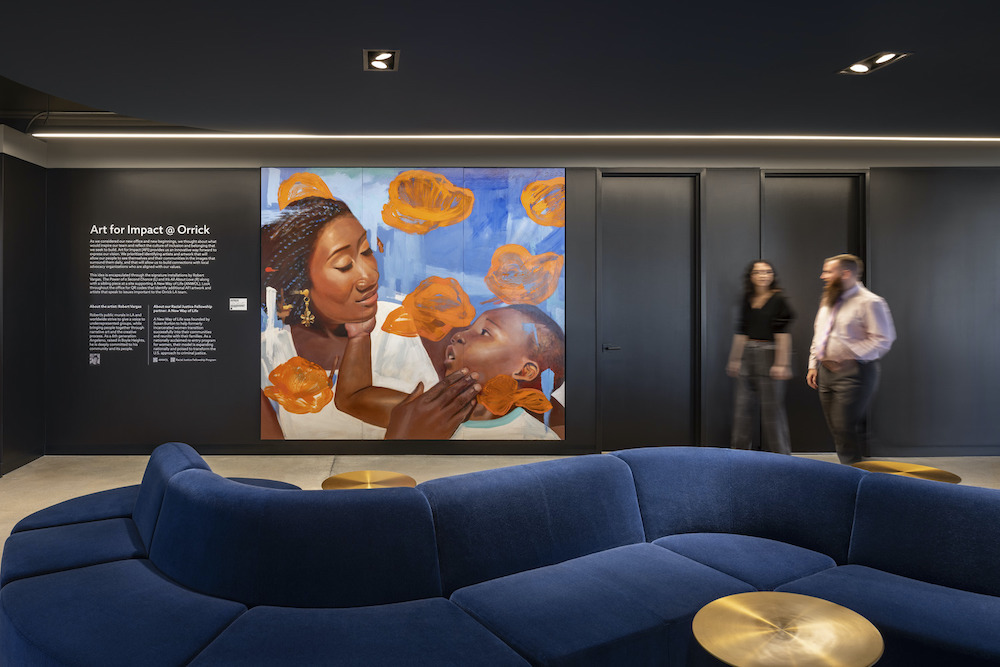
Building a DEIB strategy into office design shows employees that their individuality, their backgrounds, and the unique skills they bring to the table matter. Many companies are taking steps to ensure that their offices are designed to make all employees feel included in company culture. 

A people-first design approach focuses on creating spaces and products that are accessible, accommodating, and reflective of a diverse population. To this end, Unispace recently launched a program called Art for Impact, which takes a client’s DEIB goals and matches them with local artist talent. Unispace’s work with the global law firm Orrick last year is an excellent example of Art for Impact in action – Orrick’s new Los Angeles office now features vibrant new murals painted by local artists, which center the experience of LGBTQIA+ employees and employees of color. 
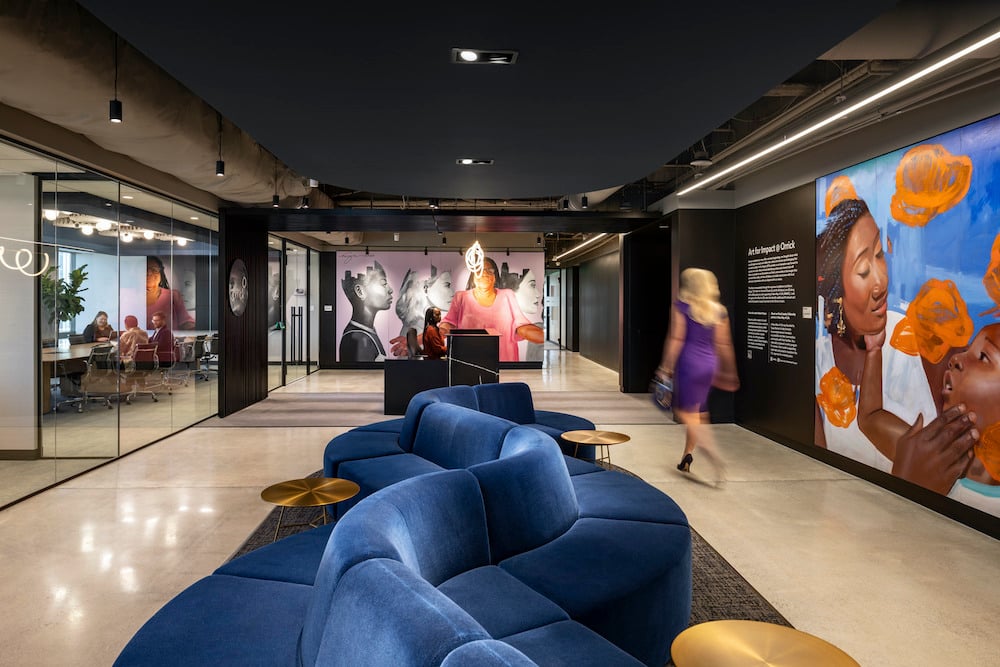
Orrick Office Los Angeles. Los Angeles, CA. Unispace.
Orrick Los Angeles Offices by Unispace | Photography by Lawrence Anderson

Employers should also consider the benefits of creating flexible office spaces that can be easily adapted to fit changing employee needs and company preferences on a day-to-day basis. Modular furniture, movable walls and offices that can be adapted to play multiple different roles, which can help workers of all backgrounds and abilities be comfortable and productive when in the office. 

Overall, the concept of people-first design underscores the importance of designing spaces, products, and experiences that prioritize connection, inclusivity, and the emotional and physical needs of individuals. The offices of the future will center around people’s needs and enhancing their overall quality of life. If employers want to bring their people back into the office, it is crucial that they create a people-first, flexible and inclusive space for employees to work and collaborate together. 
Advertisements
Build Your AI - Disaster Avoidance
Advertisements
Subscribe to the Future of Work Newsletter
Tags: Social ImpactWorkforceWorkplace Wellness
Share6Tweet4Share1
Work Design Magazine

Work Design Magazine

Work Design Magazine is a thoughtfully curated digital publication with a global reach. We focus on the innovative design of the places we work, the performance of individuals, and value for the organization. Led by professionals, we serve the full spectrum of workplace-related disciplines including technology, wellbeing, sustainability and beyond.

Other Stories Recommended For You

U.S. Planned Layoffs Plummet 53% In November, But Still Outpace 2024 Levels
News

U.S. Planned Layoffs Plummet 53% In November, But Still Outpace 2024 Levels

byAllwork.Space News Team
7 hours ago

Layoffs announced by U.S. employers fell sharply in November, but hiring intentions continued to lag as businesses navigated an uncertain...

Read more
U.S. Weekly Jobless Claims Fall To Three-Year Low Amid Mixed Labor Market Signals

U.S. Weekly Jobless Claims Fall To Three-Year Low Amid Mixed Labor Market Signals

7 hours ago
U.S. Department Of Health And Human Services Makes It Harder For Federal Employees With Disabilities To Work Remotely (1)

U.S. Department Of Health And Human Services Makes It Harder For Federal Employees With Disabilities To Work Remotely

7 hours ago
Boomerang Generation Sees One In Three Young Workers Moving Home, Struggling With Pay And Career Credibility

Boomerang Generation Sees One In Three Young Workers Moving Home, Struggling With Pay And Career Credibility

7 hours ago
Advertisements
Yardi Kube automates flex & coworking operations
Advertisements
UltraSoftBIS Work Smarter, Not Harder

Unlock your competitive edge in tomorrow's workplace.

Join a community of forward-thinking professionals who get exclusive access to the latest news, trends, and innovations that are shaping the future of work.

2025 Allwork.Space News Corporation. Exploring the Future Of Work® since 2003. All Rights Reserved

Advertise  Submit Your Story   Newsletters   Privacy Policy   Terms Of Use   About Us   Contact   Submit a Press Release   Brand Pulse   Podcast   Events   

No Result
View All Result
  • Home
  • Latest News
  • Topics
    • Business
    • Leadership
    • Work-life
    • Workforce
    • Career Growth
    • Design
    • Tech
    • Coworking
    • Marketing
    • CRE
  • Podcast
  • Events
  • About Us
  • Advertise | Media Kit
  • Submit Your Story
Subscribe

Welcome Back!

Login to your account below

Forgotten Password?

Retrieve your password

Please enter your username or email address to reset your password.

Log In
This website uses cookies. By continuing to use this website you are giving consent to cookies being used. Visit our Privacy and Cookie Policy.
-
00:00
00:00

Queue

Update Required Flash plugin
-
00:00
00:00