




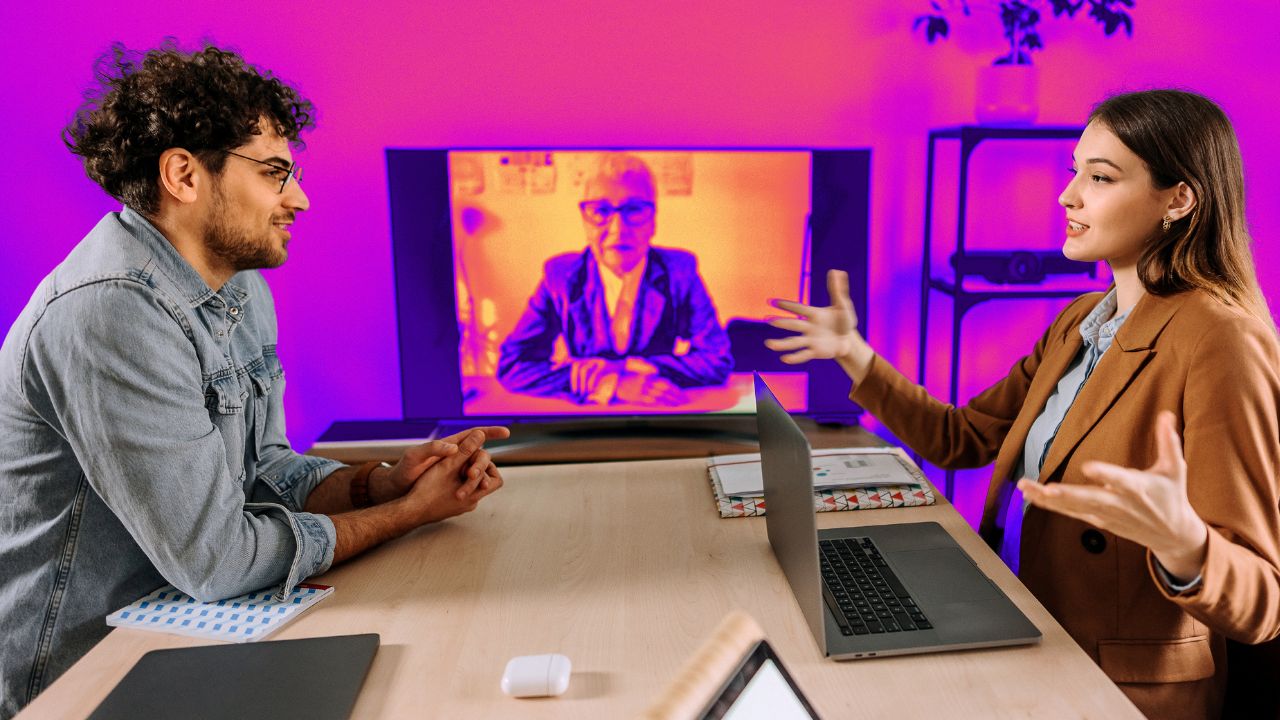
- Proximity bias leads leaders to favor employees physically closer to them, putting remote workers at a disadvantage and impacting their career progression and job satisfaction.
- Companies are implementing data-driven evaluations, objective performance metrics, and remote-first mindsets to mitigate proximity bias and promote equity.
- Leadership buy-in and training, along with technology solutions for communication and performance tracking, are crucial to creating a fair and inclusive remote work environment.
Have you noticed that some employees seem to climb the career ladder faster than others in a remote or hybrid setting? The reason might be surprisingly simple: proximity bias.
Unveiling the Challenge of Proximity Bias
In a recent conversation with Bjorn Reynolds, CEO of Safeguard Global, we explored the intricacies of proximity bias. Though not a novel concept, it has gained prominence as companies adapt to remote work environments.

Proximity bias occurs when leaders, often subconsciously, favor employees who are physically closer to them. This can disadvantage remote workers who may feel overlooked due to their absence from the office.
The impact of proximity bias is significant. Surveys from organizations like SHRM reveal a troubling trend: two-thirds of supervisors admit to treating remote employees differently than their in-office counterparts. This bias fosters a sense of alienation and inequity among remote workers, who may perceive barriers to their career growth and feel excluded from vital communications and decisions simply because they aren’t physically present.

This feeling of exclusion can lead to decreased job satisfaction, lower engagement, and ultimately higher turnover rates.
The Importance of Proactive Measures
Safeguard Global’s efforts to counteract proximity bias offer a model for other organizations. They have transitioned from a traditional, location-based work culture to a remote-first approach.
This shift is essential not only for altering leadership and employee mindsets, but also for reforming core decision-making processes. By implementing data-driven methods and establishing clear, objective criteria for evaluating employees, the company ensures that promotions and recognition are based on merit and performance rather than physical presence.
This approach goes beyond face-to-face interactions, focusing on the actual contributions and achievements of each employee.
The benefits of this change are evident. Safeguard Global has seen a significant decrease in employee turnover, indicating higher job satisfaction and a more equitable work environment.
By addressing proximity bias systematically, they have cultivated a culture that values performance and productivity over physical presence.
By addressing proximity bias systematically, they have cultivated a culture that values performance and productivity over physical presence.
This transformation highlights the importance of leadership buy-in. Leadership plays a crucial role in setting the tone for organizational culture.
By committing to a remote-first mindset, leaders demonstrate the value they place on inclusivity and fairness. This commitment cascades down to all levels of the organization, encouraging a more equitable treatment of all employees, regardless of their physical location.
Educating Managers and Setting Short-term Goals
Awareness and education are key, as many managers are unaware of their proximity bias. Raising their awareness is the first step toward eliminating it.
Additionally, setting short-term goals and reviewing them regularly provides a concrete method to measure performance objectively, avoiding subjective biases.
Training programs focused on recognizing and mitigating proximity bias can equip managers with the tools they need to manage more equitably. These programs can include workshops, seminars, and ongoing training sessions that emphasize the importance of fairness in performance evaluations.
Managers should be encouraged to use objective metrics and data to assess employee performance, reducing the reliance on subjective judgments influenced by physical proximity.
Trust is the cornerstone of a successful remote or hybrid work policy. However, trust must be built through consistent and fair practices.
Managers should be trained to evaluate outcomes rather than hours worked, as this change in perspective is vital for fostering trust in a remote work environment.
When employees know that their efforts will be judged based on the quality of their work and not their physical presence, they are more likely to feel valued and motivated.
When employees know that their efforts will be judged based on the quality of their work and not their physical presence, they are more likely to feel valued and motivated.
Implementing technology solutions can also aid in overcoming proximity bias. Tools that facilitate communication, collaboration, and performance tracking can provide managers with the data they need to make fair and informed decisions.
Regular virtual meetings, clear documentation of work processes, and transparent performance metrics can help ensure that all employees, regardless of location, have equal opportunities to contribute and succeed.
The Imperative to Adapt
The future is clear: companies must adapt to the evolving remote work landscape or risk losing top talent.
As Bjorn Reynolds aptly states, “the genie is not going back into the bottle.”
The pandemic has highlighted the advantages of remote and hybrid work models, making it essential for businesses to embrace this shift. The focus should be on creating a more data-driven, objective, and fair work environment where decisions are based on performance, not proximity.
Companies that fail to adapt may find themselves at a competitive disadvantage. Talented employees are increasingly seeking work environments that offer flexibility and fairness.
Organizations that cling to traditional, location-based models risk losing these employees to more forward-thinking competitors. By proactively addressing proximity bias and fostering an inclusive culture, businesses can attract and retain top talent, driving innovation and growth.
Exploring Other Flexible Work Models
In my consulting practice, I have extensively helped clients navigate the challenges of flexible work models, including addressing proximity bias. Reynolds’ approach aligns with many successful strategies I have implemented in other companies.
My approach emphasizes leadership awareness and education, objective performance metrics, and training managers for effective remote leadership. By fostering a culture of trust and empathy and guiding organizations to continually evolve, I help ensure that remote and hybrid work environments are both equitable and productive.
Building a culture of trust and empathy is particularly important in remote and hybrid work environments. When employees feel trusted and valued, they are more likely to be engaged and committed to their work. This, in turn, leads to higher levels of productivity and job satisfaction.
Leaders must prioritize communication, transparency, and fairness to build this culture. Regular check-ins, open lines of communication, and a commitment to recognizing and addressing bias can help create a more inclusive and supportive work environment.
Conclusion
Proximity bias is a subtle but significant barrier in remote and hybrid settings. Addressing it directly allows companies to ensure a fair, efficient, and productive workforce. It’s not just about adapting to the new normal; it’s about thriving in it.
My conversation with Bjorn Reynolds, coupled with my consulting experiences, underscores a critical aspect of modern work environments. As leaders, we must pave the way for a more equitable and effective workplace, regardless of where our employees log in from.
By taking proactive measures to address proximity bias, companies can create a more inclusive and equitable work environment. This not only benefits employees but also enhances organizational performance and competitiveness.
As we move forward into an increasingly remote and hybrid work landscape, it is essential for leaders to prioritize fairness, transparency, and trust. Only then can we truly harness the potential of a diverse and distributed workforce.