
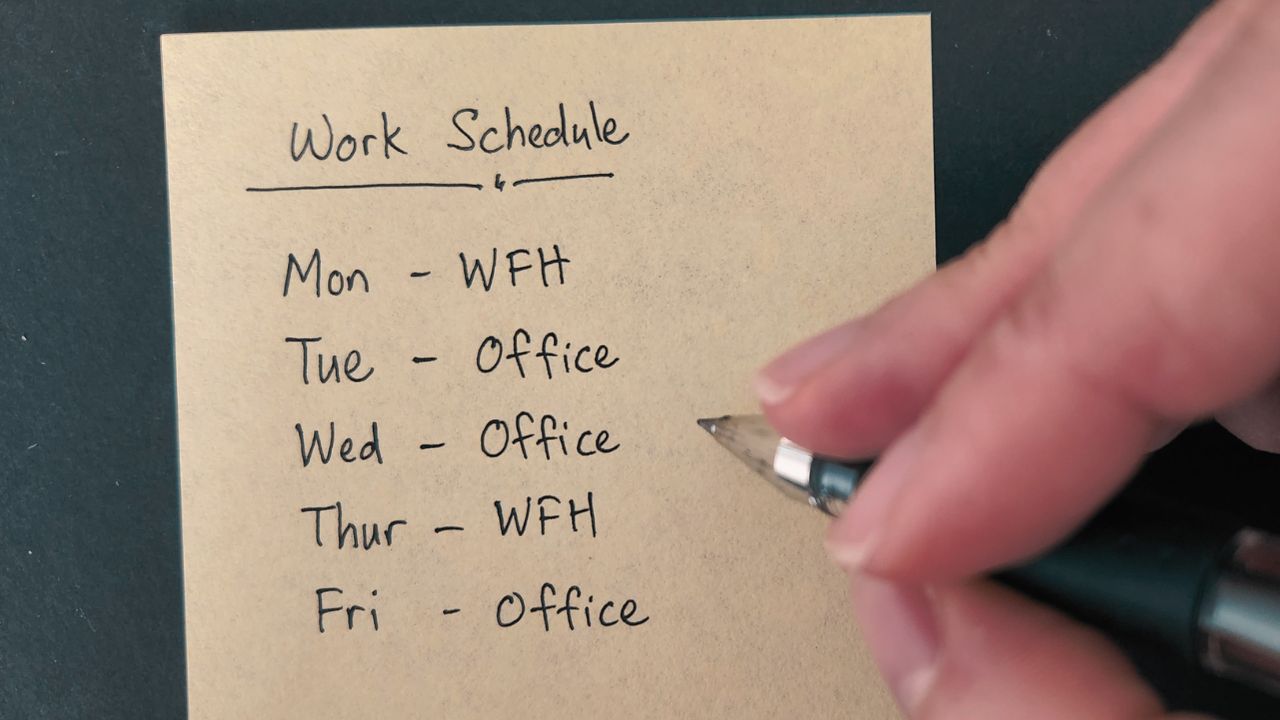
- One of the biggest challenges in flexible work contexts is measuring hybrid and remote work effectiveness; without the right metrics, how can you be confident your work model is actually working?
- Prioritize providing deep insights and data to employees, aligning with the vision that modern employees should be more autonomous and have access to vital business metrics.
- The future of work will rely heavily on asynchronous processes and AI’s ability to process and interpret complex data sets, leading to more efficient and effective remote work environments.
How do you measure hybrid and remote work effectiveness? Doing so represents one of the biggest challenges in flexible work contexts, since without the right metrics, how can you be confident your work model is actually working? In a fascinating interview with Vahagn Sargsyan, Founder of WebWork, a revealing picture emerged about the critical role of metrics in remote work environments.
The Evolution of Remote Work Metrics
Vahagn Sargsyan’s journey into the world of remote work metrics began well before the recent surge in remote work practices. His company initially specialized in software development services, where time was the primary commodity. This focus on time led to the creation of a tool designed to optimize time management and invoicing for remote work.

The core of the software’s functionality lies in its ability to track time and manage workflows. This data is particularly beneficial for remote and hybrid teams, as it is crucial for remote work management and can facilitate data-driven productivity improvements.
Employee-Centric Approach
In the realm of hybrid and remote work, there’s a thin line between monitoring and surveillance. Sargsyan emphasizes the difference between these concepts. Data tracking should not be used as surveillance, but to provide useful metrics that can be calculated without infringing on privacy. Whenever possible, insights should be visible only to the concerned individual, thereby respecting employee privacy and autonomy.

It’s important to take an employee-centric approach to metrics. Prioritize providing deep insights and data to employees, aligning with the vision that modern employees should be more autonomous and have access to vital business metrics. This approach not only empowers employees but also addresses work-life balance issues by detecting burnout risks and encouraging breaks.
Setting Metrics
Setting metrics for remote work is not a one-sided affair. It requires a continuous and strategic approach, starting from a broader understanding of the company’s goals down to the individual contributions of each team member. Sargsyan advocates for a collaborative process where both employees and managers play a role in determining the most relevant and effective metrics.
A key point raised by Sargsyan is the importance of balancing input and output metrics. He highlights the fallacy of relying on a single metric to measure productivity. Instead, he suggests a multifaceted approach, considering various factors like the time taken to complete tasks, the quality of work produced, and the significance of the tasks completed. This approach offers a more comprehensive and fair assessment of employee performance.
Looking ahead, Sargsyan sees significant potential in the integration of AI in metric measurement. AI can analyze vast amounts of data, providing insights that can drive more informed decisions. The future of work, according to him, will rely heavily on asynchronous processes and AI’s ability to process and interpret complex data sets, leading to more efficient and effective remote work environments.

The Role of Expert Consulting in Defining Remote Work Metrics
When I work with clients to help them establish their flexible work models, a critical part of the conversation always revolves around metrics. It’s a challenging area, often fraught with uncertainty as clients grapple with determining the most effective ways to measure remote work productivity and effectiveness. Sargsyan insights are valuable to help understand the variety of considerations involved.
When working toward the best solutions for a company, the first step is to identify the metrics that truly matter — those that align with their specific business goals and the unique dynamics of their remote or hybrid teams and avoid bias. This tailored approach ensures that the metrics are not just generic indicators, but meaningful measures that drive performance and growth.
Balancing the needs and concerns of both the organization and its employees is key. By advocating for an employee-centric approach, it’s possible to develop metrics that not only track productivity but also support employee well-being and autonomy. This leads to a more harmonious and sustainable remote work environment, where employees feel valued and engaged.
Moreover, my expertise in the nuances of remote work allows me to introduce innovative and often overlooked metrics that can provide deeper insights into the effectiveness of remote work arrangements. Whether it’s about optimizing time management, enhancing communication, or preventing burnout, the metrics I help define are instrumental in shaping a productive and positive remote work culture.
Conclusion
Getting metrics right in remote work is not just about tracking time or tasks; it’s about understanding the broader implications of these metrics on employee performance, well-being, and overall company productivity. The insights provided by Vahagn Sargsyan underline the evolving nature of remote work and the vital role of thoughtful, comprehensive metric systems in shaping its future.