


- The evolution of the internet into a creator-based Web 2.0 can help guide organizations through a successful transition to Work 2.0.
- Success in both Web 2.0 and Work 2.0 hinges on having a clear, compelling purpose that resonates with participants (employees), fostering engagement and cohesive culture.
- Organizations, like Web 2.0 creators, must offer value and opportunities for personal and professional growth, creating a learning environment that rewards creativity and collaboration.
This article was written by Arcadis’ Shreya Somani for Work Design Magazine.
Once, connecting with people across the globe seemed unimaginable. During Web 1.0, information flowed one way—content was static, and interaction was confined to basic clicks. However, the internet evolved into Web 2.0, transforming into a dynamic and participatory landscape where individuals could create, share and collaborate.

This new era of digital democracy gave birth to platforms like Instagram, TikTok and YouTube, where users became both consumers and contributors, fostering a sense of community and interaction.
As Jack Conte, founder of Patreon, said at SXSW, “The follow is a system of organization for the whole internet today.” The concept of a creator surrounded by a community became a powerful framework, emphasizing ongoing communication, connection and a sustained relationship.

The pandemic, coupled with a new generation of workers, has catalyzed a shift in the workplace. We are transitioning from Work 1.0, characterized by static, hierarchical structures post-Industrial Revolution, to Work 2.0—a more fluid, collaborative, and purpose-driven community.
Today’s workforce seeks more than a paycheck; they desire meaning, flexibility, and a sense of belonging.
This new paradigm offers organizations an opportunity to rethink their approach by embracing the principal invention of Web 2.0 — the follower. A community of followers makes an influencer or institution a successful creator, driving higher engagement and retention in the digital marketplace.
By drawing parallels between the worlds of web and work, there are three main principles by which organizations across industries can adapt their strategies and enjoy the benefits of Work 2.0.

Clarity of Purpose
In Web 2.0, a creator’s success hinges on their ability to inspire and engage a community of followers through a clearly defined niche.
This sense of purpose goes beyond what they create; it encompasses why they create it.
Similarly, organizations in the Work 2.0 era must articulate a clear and compelling purpose to inspire, engage, and retain employees. An organization’s purpose should resonate with every individual, making them feel part of something larger than themselves. When organizations communicate their purpose effectively, they build a cohesive culture and attract the right talent.
An organization’s purpose should resonate with every individual, making them feel part of something larger than themselves.
However, having a mission statement is not enough; employees must understand how their roles contribute to the bigger picture. The Harvard Business Review’s latest issue elaborates on how to build a corporate culture that works by thinking about the dilemmas an organization’s people face.
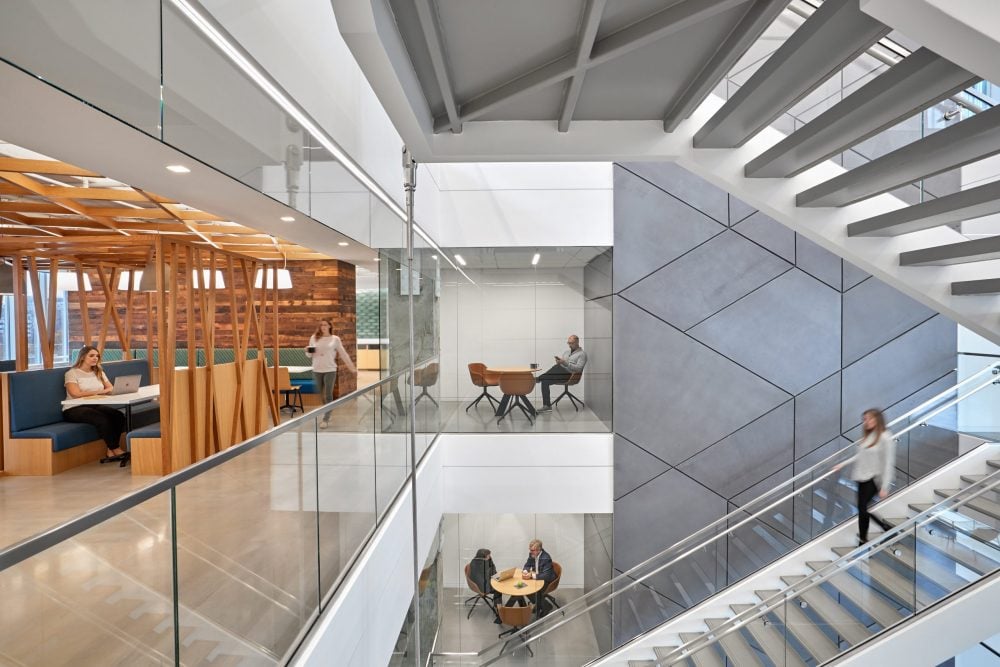
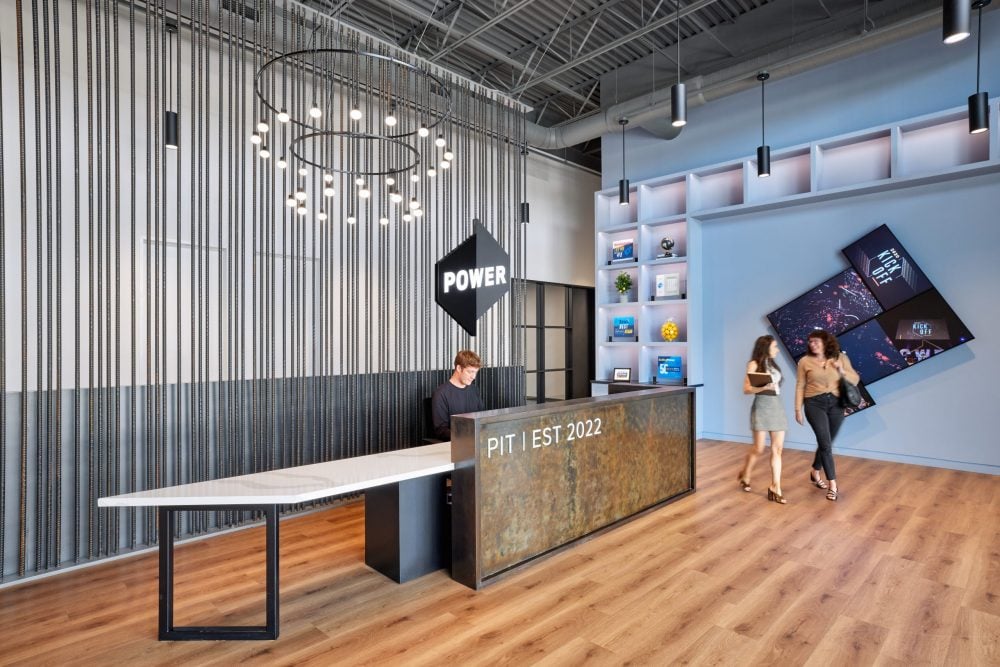
An organization’s workspace can be the biggest opportunity to communicate their purpose spatially and visually. Offices can be designed to influence behaviors that align with organizational goals.
Especially for the visually stimulated new generation of workers, the “first look” into a space, often the reception area, can leave a lasting impression on their feelings towards a brand.
Delivering Value and Growth
Purpose is foundational in the creator economy, but more is needed. Employees need opportunities for growth and development within the context of that purpose.
In Web 2.0, creators offer value through unique content and evolve with their audience’s feedback, making them feel seen and heard.
When employees understand that their contributions matter, they naturally evolve with the organization’s purpose, striving for self-actualization. As Michael C. Bush, CEO of Great Place to Work, says, “It’s the reason why we spend so much time away from our families to do this thing called work.”
This value-based, growth-oriented approach goes beyond traditional measures like salary and involves creating a learning environment where employees are rewarded for creativity and curiosity.
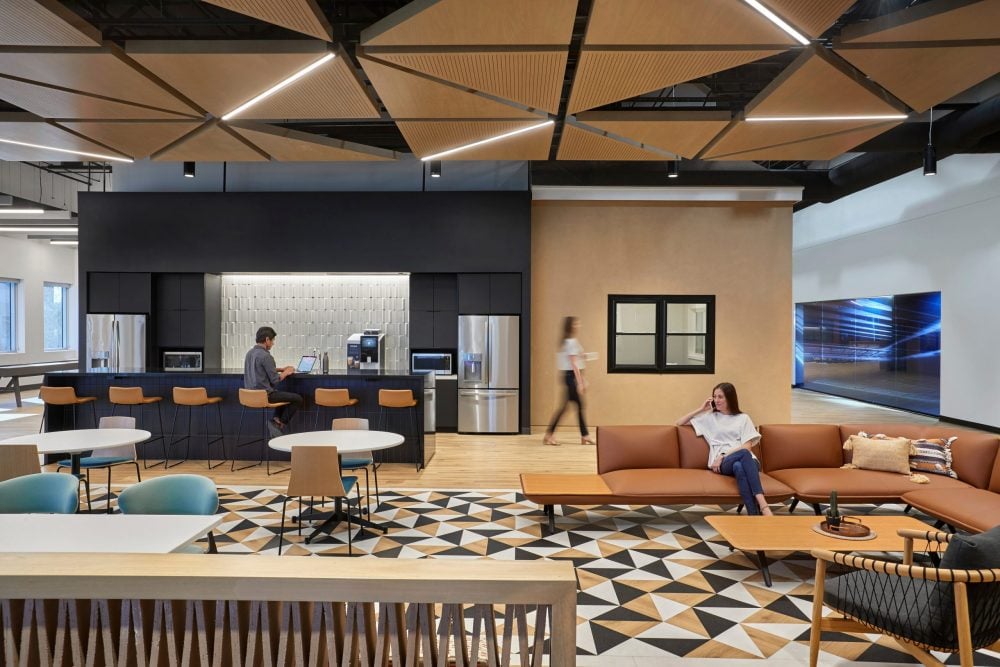
Training rooms with new technology and tools, spaces for mentorship, and semi-enclosed collaboration zones are programs that can add significant value to an organization’s workplace. These elements foster professional development and enhance employee engagement, innovation, and overall job satisfaction, making the workplace more dynamic and adaptable to future challenges.
The Promise of Community
One of the most valuable aspects of Web 2.0 is the promise of community—finding like-minded individuals who value something larger. Followers come together because they share a common interest or purpose, forming connections beyond the content or creator. For instance, Red Bull’s social media doesn’t focus on its product. Instead, it highlights adventure sports enthusiasts, giving followers a space to celebrate their passion.
Organizations can embrace this virtue and create spaces for their members to collaborate and celebrate. When making decisions about office location or design, it’s essential to consider these community-building aspects.
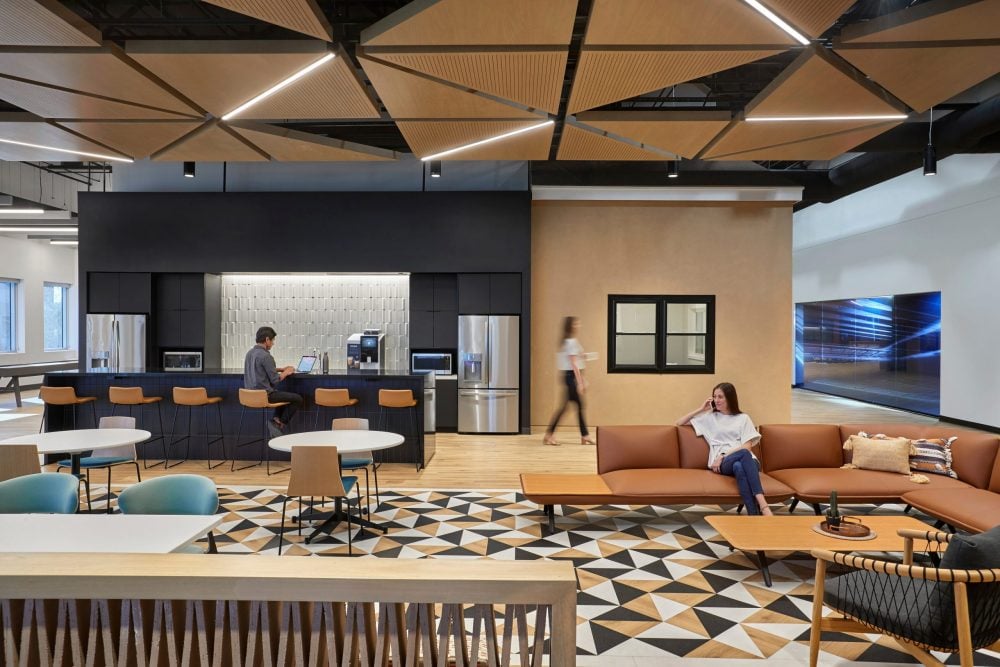
In today’s hybrid environment, these celebratory spaces need to be both virtual and physical, accommodating an equitable transition from work to joy-filled experiences. For example, Arcadis works with their long-time client Power Home Remodeling to ensure every project has a reception, café, and lounge connected to serve as a larger hospitality space to celebrate community wins.
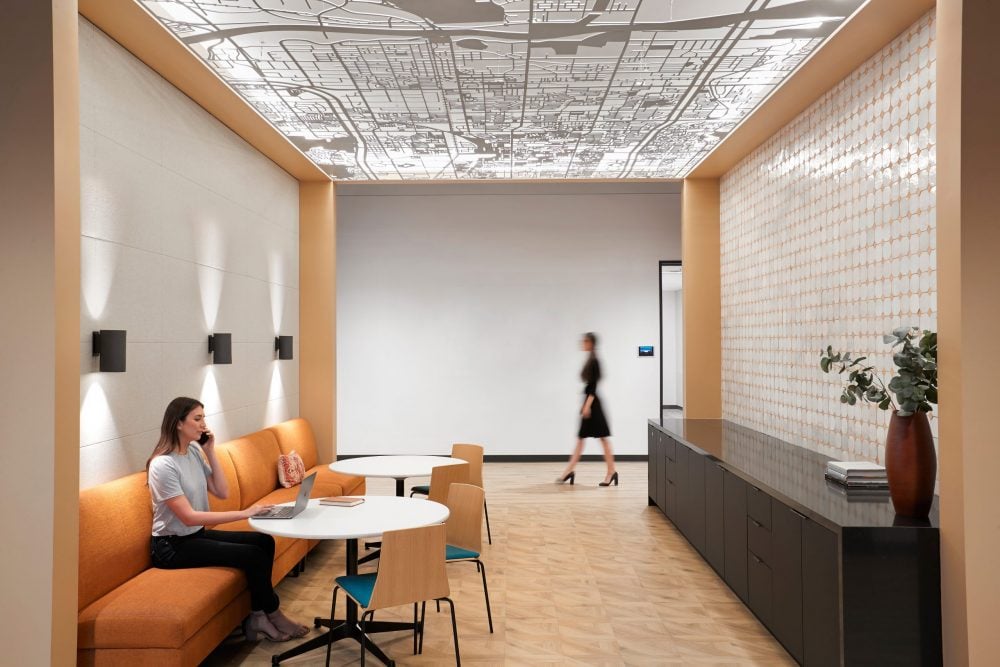
Moreover, offices are designed to honor the city they’re in, incorporating local architecture and historical references.
At the end of his keynote at SXSW, Jack Conte summarized the future of Web 2.0: the next era of online creativity will center around cultivating the “true fan” — the small but mighty cohort of supporters forming the core of any creator’s community. Instead of directing resources to reach the largest possible audience, the most successful creators will engage and energize their loyal fans.
Such a holistic understanding of their target audience can be a game-changer for organizations everywhere.
In Work 2.0, an organization’s workspace is more than just a physical location; it’s a platform where employees can communicate and collaborate over shared goals and purposes. Thoughtful design of spaces and policies that embody the organization’s values and facilitate engagement is a basic expectation for today’s workforce—thanks to Web 2.0.
Workspaces must provide communal and personal spaces, collaborative learning and focused meeting areas, enclosed and acoustically balanced open spaces, high-design, and highly functional environments. The approach isn’t new; we’re just more nuanced and sensitive.