AI is on a collision course with young people.
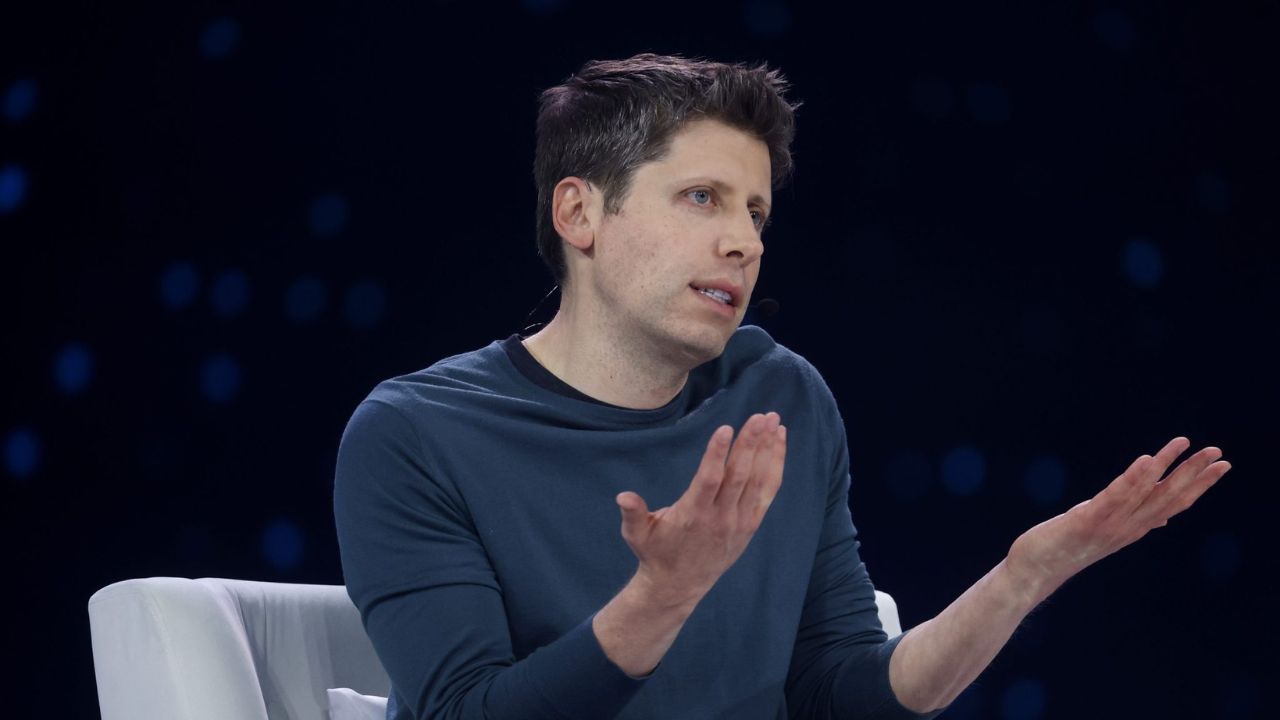
Earlier this month, OpenAI CEO Sam Altman revealed that the technology can already perform the tasks equal to that of an entry-level employee. Now, in a podcast posted just last week, the ChatGPT mastermind went even further—saying AI can even perform tasks typically expected of the smartest grads with a doctorate.

“In some sense AIs are like a top competitive programmer in the world now or AIs can get a top score on the world’s hardest math competitions or AIs can do problems that I’d expect an expert PhD in my field to do,” he told the Uncapped podcast (hosted by Sam’s brother, Jack Altman).
As companies like Amazon have admitted they will soon cut their corporate ranks thanks to AI and Anthropic CEO Dario Amodei warning that the technology could wipe out half of all entry-level, white collar jobs—it begs the question: What jobs will be left for those tossing their graduation caps into the air in the coming years?

A shifting — but not hopeless — job market, experts say
Already, this graduation season has brought one of the toughest job markets for new graduates. The unemployment rate among bachelor’s degree graduates rose to 6.1% in May, up from just 4.4% the month prior, according to most recent data published by the Federal Reserve Bank of St. Louis (FRED). Additional federal data analyzing outcomes by college majors shows that fields linked to AI exposure, including commercial art & graphic design, fine arts, and computer engineering, all have higher unemployment rates—each above 7%.
However, in the tech industry in particular, volatility in the jobs market is nothing new, said Art Zeile, CEO of tech career platform Dice. After all, nearly 600,000 tech employees lost their jobs between 2022 and 2024, according to Layoffs.fyi.
“There is no question that it is a challenging time to be a new graduate entering the job market. We’ve seen some reductions in hiring, especially for entry-level roles, as companies reassess their headcount and look for more specialized skills,” Zeile told Fortune.
“But I wouldn’t hit the panic button quite yet.”

Rather, today’s competitive environment is an opportunity for young people to further sharpen their skills and enter the workforce with a larger focus, Zeile added. It’s a message further echoed by Tiffany Hsieh, director of the Center for Artificial Intelligence and the Future of Work at Jobs for the Future.
“Young people looking for technology or graphic design roles should be thinking about how they upskill, reskill, or pivot, but others in less impacted ones like elementary school teachers and civil engineers need to worry less,” she told Fortune.
The jobs of the future
Even Altman remains optimistic that AI won’t completely terrorize the future of work because, he says, it’ll also open up new opportunities.
“A lot of jobs will go away. A lot of jobs will just change dramatically, but we have always been really good at figuring out new things to do and status games or ways to be useful to each other,” Altman told his brother. “I’m not a believer that that ever runs out.”
The 40-year-old billionaire cited the podcast industry as a space that has grown exponentially in the last decade, and the jobs of the future will simply be ones that sound “sillier and sillier” from our current perspective.
Ziele predicts that in the coming years, more jobs will be centered around AI experience designing; data storytelling, and AI governance, security, and ethical implementation. Those skilled in the development of agentic AI will also be at an advantage.
“Professionals who master agentic AI, which is still in its nascent stages, may become invaluable to companies that want to automate significant chunks of their workflows,” he said.
Some jobs of the future may look like “Frankenstein roles”—like a story designer or human resources designer—that lean on durable skills and pull together various human-centered tasks, according to Hsieh.
While the future remains uncertain, there are still many roles in fields like the skilled trades or healthcare that are growing and are relatively stable from AI, Hsieh added.
“It’s okay to explore different roles in industries you may not have planned on—you will still learn and build skills in any role,” she encouraged Gen Z. “We are all going to need to be more comfortable with career switching and adopt a lifelong learning mindset.”
How to land a job in today’s rocky job market
Landing a job today may feel like an uphill battle, but entry-level roles haven’t disappeared entirely—there are just new strategies required to secure them.
But because AI has made it easier than ever to curate resumes and cover letters, that’s not enough to stand out from the crowd. Hsieh encouraged graduates to focus on their network and portfolio.
“Demonstrated experience is a valuable currency in a world where entry-level roles are scarcer and therefore more competitive,” she said.
“Building MVP tools and solutions with AI for a target industry or to solve a challenge in your community could be a creative way to demonstrate initiative, domain expertise, and durable skills like critical thinking.”
In a sense, the job search should be treated like a personal marketing campaign, Zeile suggested.
“Hiring managers are often looking for potential over experience, so it’s essential to articulate your passion and willingness to learn new skills during the interview process,” he added. “Continuous learning and upskilling, particularly in areas like AI, data analysis, or cloud technologies, can also help to set early-career professionals apart from their competition.”
Written by Preston Fore for Fortune as “‘OpenAI CEO Sam Altman says AI can rival someone with a PhD—just weeks after saying it’s ready for entry-level jobs. So what’s left for grads?” and republished with permission.