



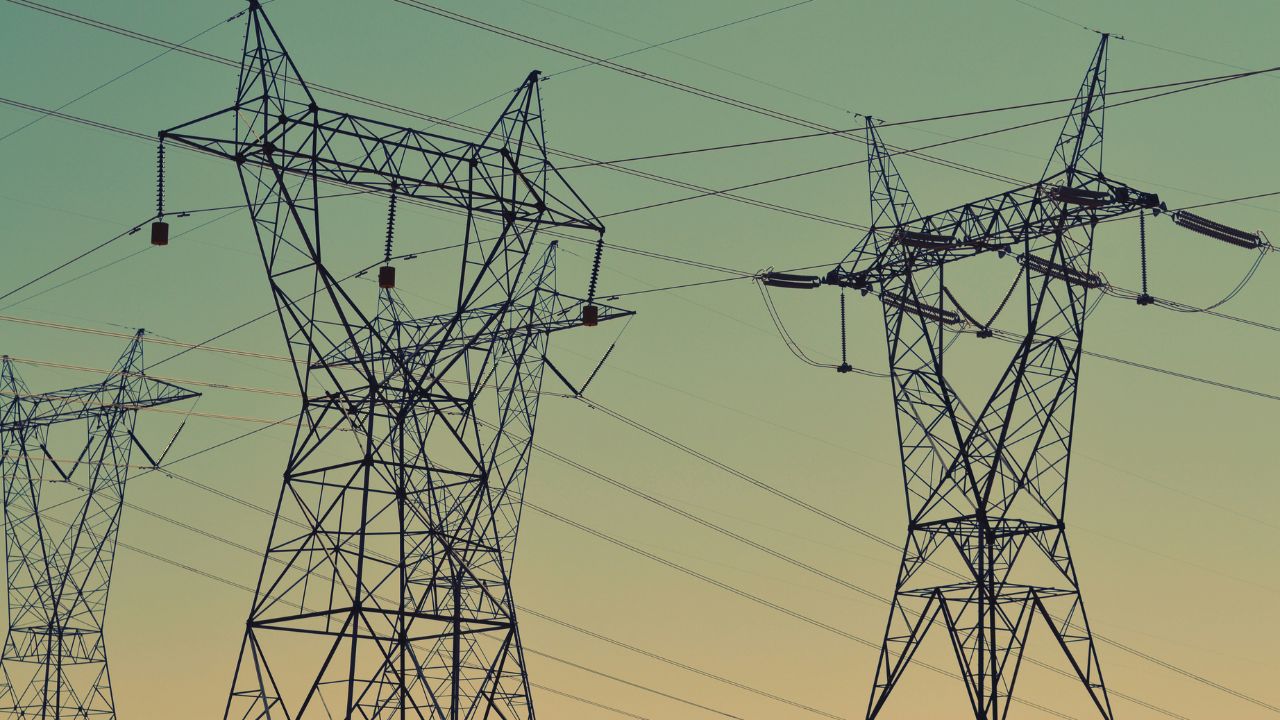
Offices and remote workforces across 13 U.S. states could soon face increased disruption as electricity prices spike and grid reliability weakens.
Why? The nation’s largest power grid, PJM Interconnection, is under strain from surging demand driven by AI and data center growth. These conditions are now fueling a sharp rise in energy costs that may ripple across commercial real estate and tech-enabled workspaces.

Electricity prices in parts of PJM’s coverage area are expected to rise more than 20% this summer, according to Reuters. The grid operator serves 67 million people across a region stretching from Illinois to Virginia, which includes many of the country’s top business hubs and the highest density of data centers globally.
This rising cost environment is no longer just an infrastructure issue, but is now becoming a workplace challenge, affecting everything from hybrid work to facility operations to the performance of digital tools that power daily workflows.

Offices and Workspaces Under Pressure
Flexible offices, coworking spaces, and commercial landlords are facing mounting operational costs as electricity bills rise. These costs can be especially difficult to absorb for space operators who rely on slim margins and predictable utility expenses.
Heating, cooling, and powering modern offices — especially tech-heavy ones — requires significant energy. Spaces that support video conferencing, cloud-based collaboration, and 24/7 server access must now account for the risk of higher costs and potential service disruptions during peak energy demand.
In response to these pressures, major tech firms are beginning to secure long-term clean energy deals to stabilize costs and support energy-intensive workplaces. Google, for example, has just committed to purchasing up to 3 gigawatts of U.S. hydropower — primarily from Pennsylvania within the PJM region — specifically to power its growing data center and AI operations, according to Reuters.
For remote and hybrid workers, the effects may be less visible but still disruptive. Home electricity bills are likely to rise, which could affect productivity and job satisfaction. Grid reliability concerns also raise the risk of internet slowdowns and interruptions during critical work periods.

The AI Boom and Data Center Growth
At the center of this issue is the explosion of AI and digital infrastructure. The popularity of generative AI tools like ChatGPT has driven demand for more data center capacity. PJM estimates that 32 gigawatts of new demand will hit the grid by 2030, with most of that increase coming directly from data center usage.
This growth is outpacing new energy production. While PJM has cleared 46 gigawatts of projects in recent years, few are being built quickly, with delays stemming from local permitting issues, supply chain constraints, and financing challenges. At the same time, older power plants are retiring faster than new ones are coming online.
Capacity Auctions and Higher Costs
Last year, PJM’s capacity auction — a key mechanism for securing electricity during extreme weather — saw an 800% spike in prices. These increases directly impact the rates that utilities charge businesses and consumers. The latest auction’s results, set to be released today, may push prices even higher.
The grid operator has attempted to stabilize the market by capping prices and accelerating future auctions. However, many energy projects needed to meet demand are not expected to be completed until after 2030. That leaves businesses exposed to near-term volatility and continued cost increases.
Political Tensions and Uncertainty
The energy crisis has triggered political fallout; Pennsylvania’s governor has threatened to withdraw from the PJM system unless prices are brought under control. Two PJM board members were recently removed, and the company’s CEO announced his resignation.
Despite new fast-track initiatives, many energy projects — including a Microsoft-backed nuclear facility — will not be operational until at least 2027. In the meantime, office operators and employers across the region will have to navigate unpredictable energy costs and reliability concerns.
What Employers Should Do Now
Businesses should evaluate how power costs and grid reliability affect their operational resilience. Energy-efficient upgrades, backup power solutions, and diversified digital infrastructure may offer advantages in high-cost environments.
For commercial landlords and coworking operators, communicating with tenants about upcoming changes and cost pressures may help mitigate disruption. Providing power-conscious amenities and infrastructure could also offer a competitive edge.
As the demands of AI and remote work reshape energy needs, electricity is becoming more than a background utility. It is quickly becoming a critical workplace variable that leaders across industries will need to plan for.