



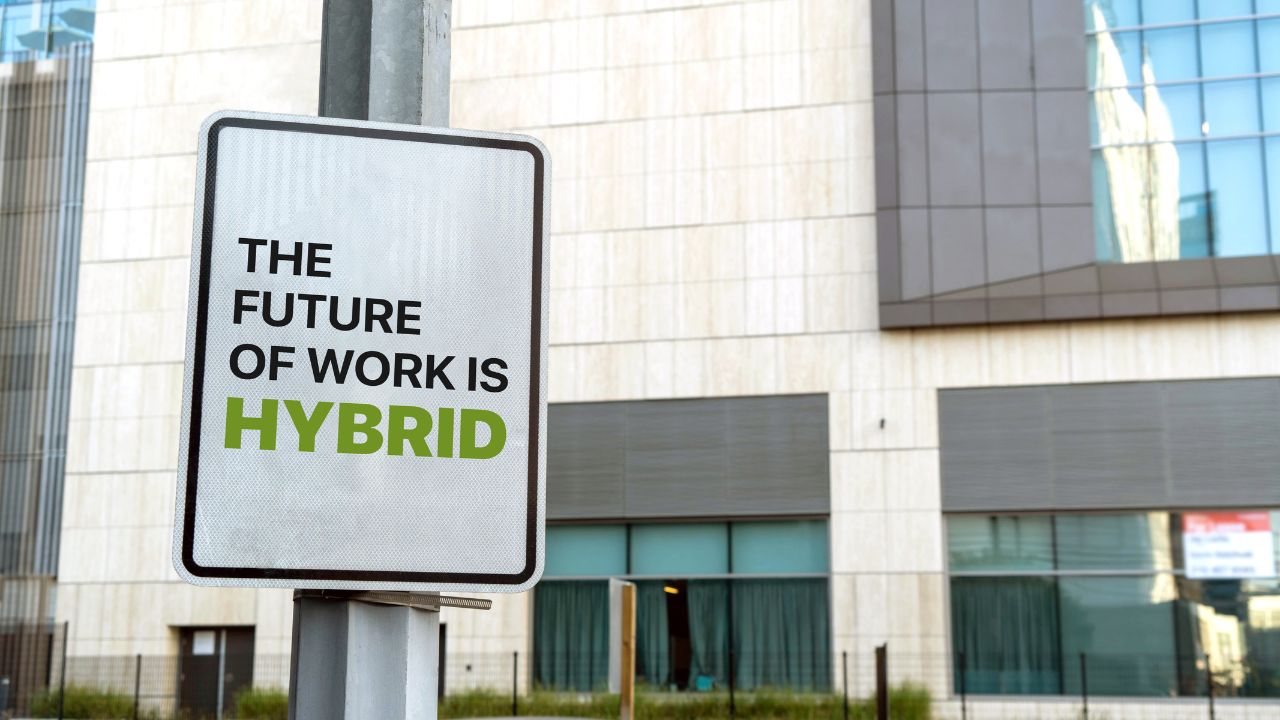
The global transition toward hybrid and flexible working models is quickly transforming real estate strategy, as companies of all sizes seek to balance productivity, cost-efficiency, and employee well-being.
According to new data from The Instant Group’s 2025 Global Flexible Workspace Report, 74% of companies worldwide now operate using flexible or hybrid models, making long-term leases and rigid office setups increasingly obsolete.

Flexibility Drives Performance and Retention
The transition to flexible work is paying off: 84% of hybrid employees report better mental health, and over 56% say they’re more productive in flexible workspaces compared to traditional offices. In contrast, just 18% of companies still operate under a fully office-first model.
Flexibility is becoming a key driver of motivation, retention, and sustainability. A majority of employees surveyed believe having access to workspaces closer to home positively impacts both their quality of life and their employer’s environmental footprint.
Suburbs and Small Towns Are Flex Hotspots
Office demand is no longer centered around major cities. In the U.S., flex space demand in towns with populations under 5,000 surged 164% year-over-year, outpacing all other markets. Commuter hubs and suburban areas are experiencing unprecedented interest, with operators like International Workplace Group (IWG) expanding into smaller towns like Franklin, Texas, and Berwyn, PA.
This trend is also seen in the U.K., where regional markets now make up 66% of total flexible workspace demand. Some commuter towns are projected to reach full capacity within the year, creating an urgent case for investment.
Corporate Adoption Reaches Critical Mass
Large enterprises are now a major force in the flex market. In the Asia-Pacific region, 68% of companies with over 10,000 employees have adopted flexible or hybrid models. Demand for spaces with 26 or more desks is rising rapidly, particularly in cities like Nagpur, Hanoi, and Gurugram, reflecting a long-term move toward scalable, premium flex solutions.
Flight to Quality Accelerates
Across EMEA, businesses are prioritizing amenity-rich, sustainable, and wellness-focused workspaces, driving a 42% uplift in premium desk rates compared to market averages.
Cities such as Abu Dhabi, Zurich, and Frankfurt are seeing the strongest growth in premium flex pricing, highlighting an ongoing flight to quality.
In mature markets like London and New York, flex space rates already command 2–2.5x the revenue of traditional leases. However, smaller cities and commuter towns often achieve up to 5x returns, making them highly attractive investment opportunities.
The Flex Future: Strategy Meets Scalability
Companies are embedding flex into core real estate decisions, driven by clear performance data and evolving employee expectations. Landlords and operators who adapt quickly, particularly in underserved markets, stand to benefit from higher yields, faster lease-up times, and stronger tenant satisfaction.
As hybrid work cements itself globally, flexible workspace is essential. The next wave of growth will come from those who combine data-driven strategy with a user-centric approach, redefining the future of work from city centers to small towns.