




Remote and hybrid work have become a permanent part of the U.S. workforce, with roughly 40% of employees now working either fully or partly outside the office. Yet, some cities offer far better conditions than others by blending affordability, strong internet access, and vibrant coworking options, according to Coworking Cafe.
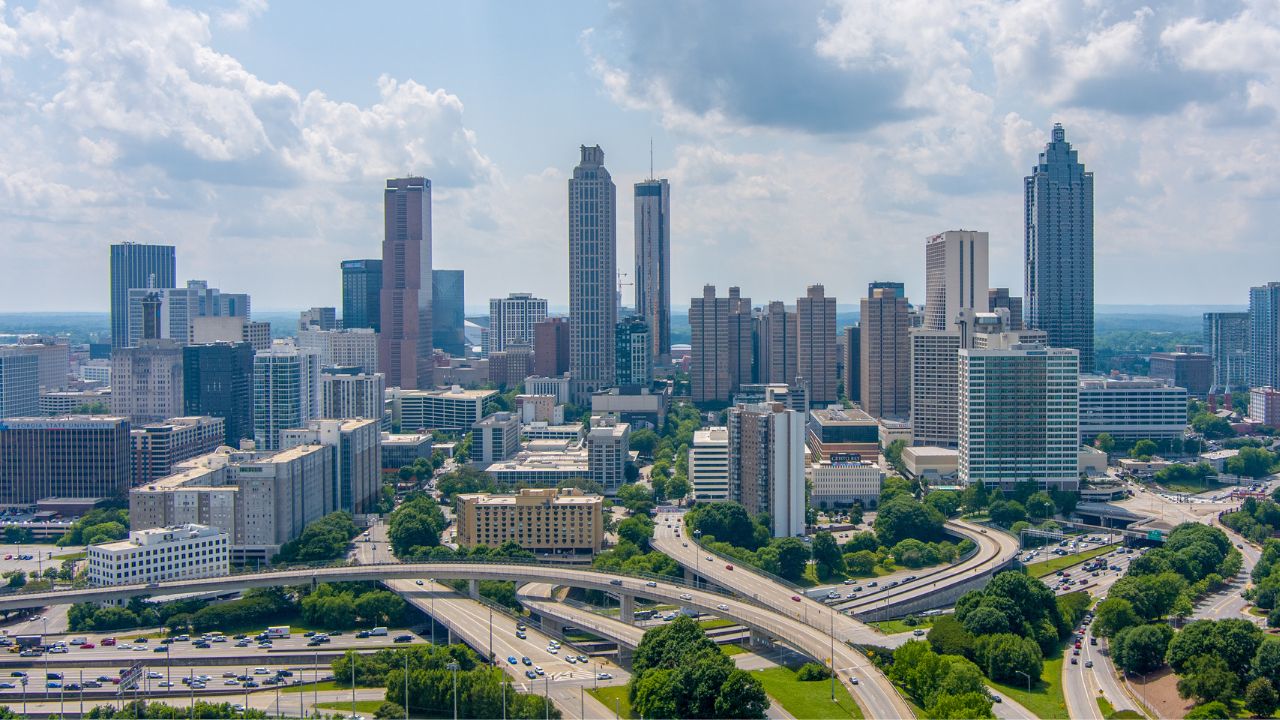
A new analysis ranking major U.S. cities by remote work readiness found Atlanta, Georgia, leading the nation. The city combines a balanced economy with a thriving coworking ecosystem and reliable digital infrastructure, making it an ideal environment for professionals who value flexibility and connection.

Atlanta Leads
Atlanta earned the top ranking thanks to its 26% remote workforce and the highest coworking density in the country, with 119 spaces across the metro area. The city pairs a moderate median income of about $60,000 with below-average living costs and average rent near $1,600.
Reliable fiber networks and strong public Wi-Fi make it easy for remote workers to stay connected, while its airport and cultural scene add to its appeal as a hub for mobile professionals.

Frisco and Boulder Follow Closely
In second place, Frisco, Texas, stands out for its economic strength and affordability. About one in three residents (34%) works remotely — the highest rate among all ranked cities.
The city offers a median income of roughly $80,000, a low cost of living, and average rent of around $1,500, giving it one of the strongest quality-of-life scores for remote professionals.
Boulder, Colorado, ranks third overall with 30% of its workforce working remotely. Its excellent Wi-Fi coverage, 20 coworking spaces, and mountain-lifestyle amenities make it especially attractive, even with higher average rents around $2,000.
Cary, Sugar Land, and Indiana’s Standout Suburbs
Cary, North Carolina, places fourth, combining a 31% remote workforce with low unemployment (2.4%) and strong income levels. Its below-average cost of living and reliable airport access make it one of the most balanced cities for remote work.
Fifth-place Sugar Land, Texas, offers similar advantages: 24% of workers are remote, there are 15 coworking spaces per 100,000 residents, and average rent is around $1,400. The city blends affordability with suburban comfort and career opportunity.
In the Midwest, Carmel and Fishers, Indiana, both rank in the top ten. Carmel supports a 24% remote workforce and strong fiber coverage, while nearby Fishers posts one of the nation’s lowest unemployment rates (1%) and some of the cheapest coworking options, averaging just $100 per month.
Other Notable Performers
Berkeley, California, and Alexandria, Virginia, also made the top ten, each supported by high shares of remote workers, walkability, and access to major business hubs. Denver rounds out the list with 93 coworking spaces, a 25% remote workforce, and balanced living costs.
Cities like Oklahoma City and Lincoln, Nebraska, stood out for affordability and connectivity, respectively — showing that even smaller markets are competing as strong remote hubs.
Coworking Hubs Redefine Remote Work
Coworking accessibility remains a key factor in how remote professionals connect. Atlanta again leads with the highest coworking density nationwide and affordable average rates around $199 per month.
Miami, Boulder, Columbia (MD), and Alexandria (VA) follow, showing that both big metros and mid-sized cities can support thriving coworking communities.