



Advertisements
Deel - Upgrade your global team management
  • Marketplace
  • Resources
  • Business Directory
  • Events
  • Advertise
  • Publish a Press Release
  • Submit Your Story | Get Featured
  • Get the Newsletter
  • Contact
  • About Us
The FUTURE OF WORK® since 2003
Allwork.Space
No Result
View All Result
Subscribe
  • Submit Your StoryNew
  • More
    • Columnists
      • Dr. Gleb Tsipursky – The Office Whisperer
      • Nirit Cohen – WorkFutures
      • Angela Howard – Culture Expert
      • Drew Jones – Design & Innovation
      • Jonathan Price – CRE & Flex Expert
    • Get the Newsletter
    • Events
    • Advertise With Us
    • Publish a Press Release
    • Brand PulseNew
    • Partner Portal
  • Latest News
  • Business
  • Leadership
  • Work-life
  • Career Growth
  • Tech
  • Design
  • Workforce
  • Coworking
  • CRE
  • Podcast
  • Submit Your StoryNew
  • More
    • Columnists
      • Dr. Gleb Tsipursky – The Office Whisperer
      • Nirit Cohen – WorkFutures
      • Angela Howard – Culture Expert
      • Drew Jones – Design & Innovation
      • Jonathan Price – CRE & Flex Expert
    • Get the Newsletter
    • Events
    • Advertise With Us
    • Publish a Press Release
    • Brand PulseNew
    • Partner Portal
  • Latest News
  • Business
  • Leadership
  • Work-life
  • Career Growth
  • Tech
  • Design
  • Workforce
  • Coworking
  • CRE
  • Podcast
No Result
View All Result
Subscribe
Allwork.Space
No Result
View All Result
Advertisements
Nexudus - Waste of Space? (Green)
Home Design

What High-Performing Teams Know About Space That Everyone Else Misses

A growing body of research shows that proximity alone isn’t enough. Productivity, creativity, and trust depend on spaces intentionally built for the work itself.

Andrea Pirrotti-DranchakbyAndrea Pirrotti-Dranchak
December 10, 2025
in Design
Reading Time: 4 mins read
A A
What High-Performing Teams Know About Space That Everyone Else Misses

Walk into any office that’s alive again and the change is immediate — the pace is quicker, the conversations sharper, the ideas louder. The return of talent density has recharged teams. But something else is becoming just as visible: performance spikes when people are gathered and the room supports the work they’re trying to do. Proximity creates energy. Space directs it. You can see the tension inside the modern office. A team tries to brainstorm in a quiet meeting room and the discussion never lifts off. A manager looks for a private place to give feedback and ends up pacing the hallway. A hybrid meeting stumbles because the room can’t place remote and in-person colleagues on equal footing. These moments expose a simple truth. Work moves across modes — deep focus, creative generation, sensitive conversation, hybrid collaboration — and every mode puts different demands on the environment. The data backs up what companies are experiencing. According to the 2025 Global Workplace Study from the Gensler Research Institute, offices offering a variety of purpose-built spaces provide far stronger support for productivity than single-mode layouts. Teams gain range when their environments give them options. Deep Focus Requires Protection, Not Just Quiet Focus-heavy work shows this most clearly. Research from Stanford University demonstrates that background conversations and visual movement degrade accuracy on analytical tasks and increase cognitive strain. A single interruption can leave a measurable impact on performance. Purpose-built focus rooms — real ones, with acoustic control and visual calm — give teams the conditions required for deep, uninterrupted thinking. These spaces absorb distractions so people can hold complex problems in view longer. Creative work thrives under almost the opposite conditions. Studies from the MIT Human Dynamics Lab show that innovation accelerates when teams can read each other easily — gestures, posture shifts, facial cues, the subtle signals that shape idea flow. These “high-bandwidth interactions” gain strength in environments that support movement, shared visibility, and externalized thinking. Proximity fuels creative energy, and the room shapes how easily that energy moves between people. When Trust Matters, Enclosure Wins Some work depends on privacy. Research published in PLOS One links enclosed spaces to higher trust and better cognitive performance, especially in sensitive conversations (PLOS One). Many organizations are responding. Workplace surveys from Gensler and CBRE show rising demand for private rooms, and companies including Salesforce and HubSpot have added more enclosed spaces to support mentoring, decision-making, and manager–employee dialogue. Teams open up when the environment feels secure. Hybrid collaboration introduces a different architectural challenge. The Work Trends Index from Microsoft identifies a persistent “meeting equity gap” that emerges when remote participants lack the same visibility and presence as those in the room. Organizations improving hybrid performance are adjusting both layout and technology: larger displays positioned for shared sightlines, better camera placement, seating arrangements that distribute presence across physical and virtual participants. When the space supports hybrid interaction, ideas travel more cleanly across the divide. The Brain Responds to Purposeful Architecture Neuroscience is beginning to quantify why these patterns are so consistent. A 2023 Springer field experiment measuring stress and creative output across different office configurations found that participants performed best in environments with intentional zoning — structured openness paired with nearby access to privacy (Springer Nature). These calibrated spaces reduced physiological stress and boosted creative problem-solving. The architecture shaped the quality of thought. Companies paying attention to these signals are redesigning with purpose. Some are placing enclosed rooms near team hubs, making it easier to move from ideation to focus without losing momentum. Others are building collaboration studios with writable walls and flexible furniture to support the rhythm of group creativity. Many are making hybrid-ready rooms the default, not the exception. These decisions operate at the level of workflow, not aesthetics. The talent-density model shows what happens when expertise is concentrated. Purpose-built space turns that concentration into impact. Rooms that support the work — focus, creation, decision-making, connection — unlock more of what strong teams can do. Put the right talent in the right environment and the effect compounds quickly. That’s the foundation of a competitive advantage that endures.

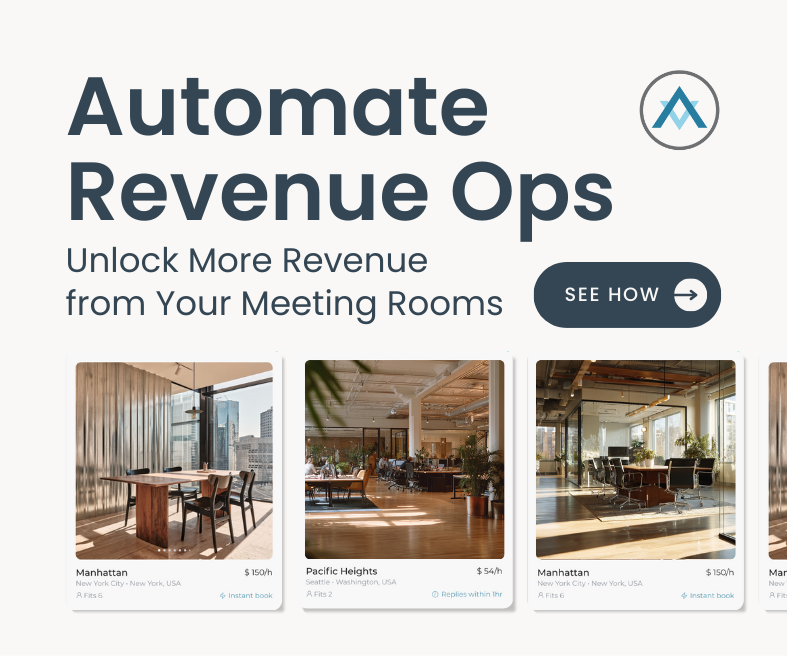
Walk into any office that’s alive again and the change is immediate — the pace is quicker, the conversations sharper, the ideas louder. The return of talent density has recharged teams. 

But something else is becoming just as visible: performance spikes when people are gathered and the room supports the work they’re trying to do. 

Advertisements
UltraSoftBIS Work Smarter, Not Harder

Proximity creates energy. Space directs it.

You can see the tension inside the modern office. 

A team tries to brainstorm in a quiet meeting room and the discussion never lifts off. A manager looks for a private place to give feedback and ends up pacing the hallway. A hybrid meeting stumbles because the room can’t place remote and in-person colleagues on equal footing. 

Advertisements
Get more revenue. Do less work - Alliance Virtual Offices

These moments expose a simple truth. Work moves across modes — deep focus, creative generation, sensitive conversation, hybrid collaboration — and every mode puts different demands on the environment.

The data backs up what companies are experiencing. According to the 2025 Global Workplace Study from the Gensler Research Institute, offices offering a variety of purpose-built spaces provide far stronger support for productivity than single-mode layouts. 

Teams gain range when their environments give them options.

Deep Focus Requires Protection, Not Just Quiet

Focus-heavy work shows this most clearly. Research from Stanford University demonstrates that background conversations and visual movement degrade accuracy on analytical tasks and increase cognitive strain. A single interruption can leave a measurable impact on performance. 

Advertisements
Deel - Upgrade your global team management

Purpose-built focus rooms — real ones, with acoustic control and visual calm — give teams the conditions required for deep, uninterrupted thinking. These spaces absorb distractions so people can hold complex problems in view longer.

Creative work thrives under almost the opposite conditions. Studies from the MIT Human Dynamics Lab show that innovation accelerates when teams can read each other easily — gestures, posture shifts, facial cues, the subtle signals that shape idea flow. 

These “high-bandwidth interactions” gain strength in environments that support movement, shared visibility, and externalized thinking. 

Proximity fuels creative energy, and the room shapes how easily that energy moves between people.

More stories for you

Biohacking is hitting the workplace from treadmill desks to meditation zones, companies are redesigning offices to help employees hack their biology and perform at their best.

Optimize Future Well-Being By Biohacking Your Office Design Now

1 hour ago
OpenAI Says AI Is Saving Workers An Hour A Day, While Other Studies Call It Workslop

OpenAI Says AI Is Saving Workers An Hour A Day, While Other Studies Call It Workslop

1 day ago
Why Viewing The Office As A 3-Legged Stool Can Unlock Meaningful Work

Why Viewing The Office As A 3-Legged Stool Can Unlock Meaningful Work

4 days ago
10 Must-Have Software Integrations To Streamline Your Business Center In 2026

10 Must-Have Software Integrations To Streamline Your Business Center In 2026

6 days ago

When Trust Matters, Enclosure Wins

Some work depends on privacy. Research published in PLOS One links enclosed spaces to higher trust and better cognitive performance, especially in sensitive conversations (PLOS One). 

Many organizations are responding. Workplace surveys from Gensler and CBRE show rising demand for private rooms, and companies including Salesforce and HubSpot have added more enclosed spaces to support mentoring, decision-making, and manager–employee dialogue. 

Teams open up when the environment feels secure.

Hybrid collaboration introduces a different architectural challenge. The Work Trends Index from Microsoft identifies a persistent “meeting equity gap” that emerges when remote participants lack the same visibility and presence as those in the room. 

Advertisements
Yardi Kube automates flex & coworking operations

Organizations improving hybrid performance are adjusting both layout and technology: larger displays positioned for shared sightlines, better camera placement, seating arrangements that distribute presence across physical and virtual participants. When the space supports hybrid interaction, ideas travel more cleanly across the divide.

The Brain Responds to Purposeful Architecture

Neuroscience is beginning to quantify why these patterns are so consistent. 

A 2023 Springer field experiment measuring stress and creative output across different office configurations found that participants performed best in environments with intentional zoning — structured openness paired with nearby access to privacy (Springer Nature). 

These calibrated spaces reduced physiological stress and boosted creative problem-solving. The architecture shaped the quality of thought.
Advertisements
Build Your AI - Disaster Avoidance

Companies paying attention to these signals are redesigning with purpose. Some are placing enclosed rooms near team hubs, making it easier to move from ideation to focus without losing momentum. 

Others are building collaboration studios with writable walls and flexible furniture to support the rhythm of group creativity. Many are making hybrid-ready rooms the default, not the exception. These decisions operate at the level of workflow, not aesthetics.

The talent-density model shows what happens when expertise is concentrated. Purpose-built space turns that concentration into impact. 

Rooms that support the work — focus, creation, decision-making, connection — unlock more of what strong teams can do. Put the right talent in the right environment and the effect compounds quickly. 

Advertisements
Deel - Upgrade your global team management

That’s the foundation of a competitive advantage that endures.

Advertisements
Your Brand Deserves The Spotlight - Advertise With Us - Allwork.Space
Tags: ProductivityWorkplace Design
Share5Tweet3Share1
Andrea Pirrotti-Dranchak

Andrea Pirrotti-Dranchak

Globally recognized as a leading authority in flexible workspace, Andrea Pirrotti-Dranchak has 25+ years of experience driving expansion and innovation across 65+ countries. As Head of Real Estate, Americas at infinitSpace, she leverages the flexible workspace model to unlock asset value and transform how real estate performs. A trusted voice in the future of work, she advises, writes, and speaks on strategies that define and scale this fast-moving industry.

Other Stories Recommended For You

Biohacking is hitting the workplace from treadmill desks to meditation zones, companies are redesigning offices to help employees hack their biology and perform at their best.
Design

Optimize Future Well-Being By Biohacking Your Office Design Now

byAntonio Rodríguez-Argüelles
1 hour ago

Biohacking can transform offices to boost employee health, wellness, and performance.

Read more
OpenAI Says AI Is Saving Workers An Hour A Day, While Other Studies Call It Workslop

OpenAI Says AI Is Saving Workers An Hour A Day, While Other Studies Call It Workslop

1 day ago
Why Viewing The Office As A 3-Legged Stool Can Unlock Meaningful Work

Why Viewing The Office As A 3-Legged Stool Can Unlock Meaningful Work

4 days ago
10 Must-Have Software Integrations To Streamline Your Business Center In 2026

10 Must-Have Software Integrations To Streamline Your Business Center In 2026

6 days ago
Advertisements
Get more revenue. Do less work - Alliance Virtual Offices
Advertisements
Deel - Upgrade your global team management

Unlock your competitive edge in tomorrow's workplace.

Join a community of forward-thinking professionals who get exclusive access to the latest news, trends, and innovations that are shaping the future of work.

2025 Allwork.Space News Corporation. Exploring the Future Of Work® since 2003. All Rights Reserved

Advertise  Submit Your Story   Newsletters   Privacy Policy   Terms Of Use   About Us   Contact   Submit a Press Release   Brand Pulse   Podcast   Events   

No Result
View All Result
  • Home
  • Latest News
  • Topics
    • Business
    • Leadership
    • Work-life
    • Workforce
    • Career Growth
    • Design
    • Tech
    • Coworking
    • Marketing
    • CRE
  • Podcast
  • Events
  • About Us
  • Advertise | Media Kit
  • Submit Your Story
Subscribe

Welcome Back!

Login to your account below

Forgotten Password?

Retrieve your password

Please enter your username or email address to reset your password.

Log In
This website uses cookies. By continuing to use this website you are giving consent to cookies being used. Visit our Privacy and Cookie Policy.
-
00:00
00:00

Queue

Update Required Flash plugin
-
00:00
00:00