




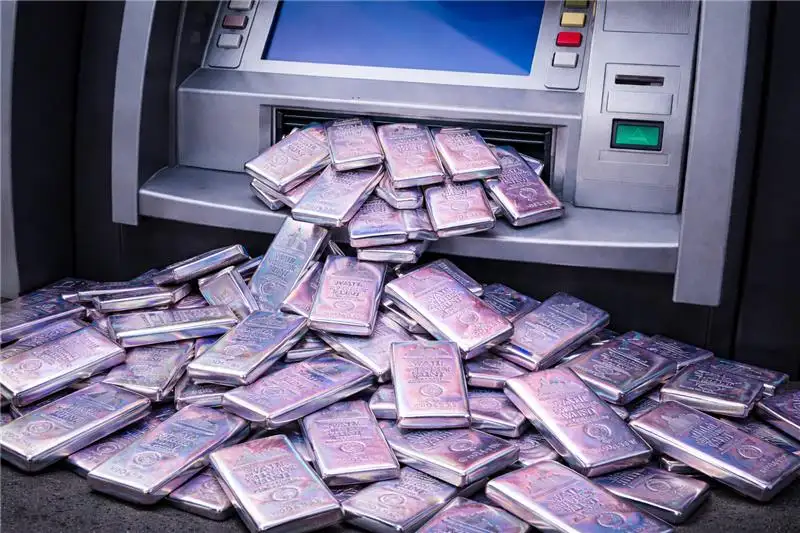
Silver prices have hit an all-time high of $93 per ounce in January. The previous all-time high (before inflation adjustments) was $49 in 1980.
Just last January, silver was around $30 per ounce. That’s more than a 200% increase in price in one year.

It’s clear now that the precious metal is flirting with a three-digit price per ounce.
Gold, often the benchmark for precious-metal strength, has also risen sharply, topping over $4,600 per ounce at the start of 2026 — also an all-time high.

The takeaway is straightforward: the dollar is losing strength.
Why Silver Was Low and Why It’s Surging
For years before 2026, silver prices lingered at much lower levels. That long period of muted performance reflected weak demand in traditional uses like jewelry and flat investment interest compared with gold.
In 2025 and into 2026, factors changed. Silver’s industrial role grew as global demand for renewable energy technologies expanded. Silver is widely used in solar panels, electric vehicles, advanced electronics and other high-growth sectors; these end uses now account for a large share of total silver demand.
Tight global supply has struggled to keep up with this consumption, contributing to sustained price gains.

What Higher Silver Prices Say About the Dollar
Precious metals often climb when confidence in the U.S. dollar weakens. Investors turn to physical assets like gold and silver as a store of value when inflation pressures rise or when interest rate expectations shift.
The rally in both silver and gold suggests that markets are pricing in continued currency pressure and persistent demand for hard assets that do not pay interest.
A significantly weaker dollar makes imported goods more expensive and can reduce real purchasing power for employees. Workers may find that everyday expenses — from food to rent — eat up more of their income, effectively reducing the value of wages.
This kind of inflationary pressure can influence labor negotiations, with employees pushing harder for higher pay to keep pace with costs.
Silver’s Price Implications for the Future of Work and Industry
If silver continues its upward momentum, the impact on the workforce won’t be straightforward, but it will ripple through several areas:
Wage Pressure: As prices of basic goods rise with inflation, workers may demand higher wages or cost-of-living adjustments, particularly in sectors with strong labor markets. Employers facing higher input costs may resist broad wage increases, creating tension in wage negotiations.
Job Growth in Tech and Manufacturing: Silver’s industrial demand ties it closely to sectors like renewable energy, electric vehicles, and advanced electronics. Rising metal prices often reflect stronger activity in these areas, which may translate into job growth in manufacturing, engineering, and related supply chains.
Retirement and Savings Challenges: Precious-metal rallies can coincide with broader financial market uncertainty. Workers nearing retirement may find stock and bond portfolios more volatile, complicating income planning. Those who hoped to rely on traditional savings vehicles might need to reassess their strategies.

Is Silver the New Stock Option?
When silver crosses $100 an ounce, it may not stay confined to trading desks and commodity markets. Workers, especially those worried about inflation eroding real wages, could begin asking whether part of their compensation should hold value outside the dollar altogether.
Employers already use non-cash compensation to attract and retain talent, from equity grants and stock options to bonuses tied to company performance. Paying a portion of compensation in precious metals would be unconventional, but not conceptually radical.
Like equity, gold or silver payments would tie compensation to an asset that can appreciate independently of wages, inflation, or short-term economic cycles.
When confidence in currency weakens, employees start thinking less about nominal pay and more about preserving purchasing power.

If silver keeps climbing, the conversation around pay may expand beyond raises and bonuses to whether wages should be tied to assets that hold value when cash does not.