



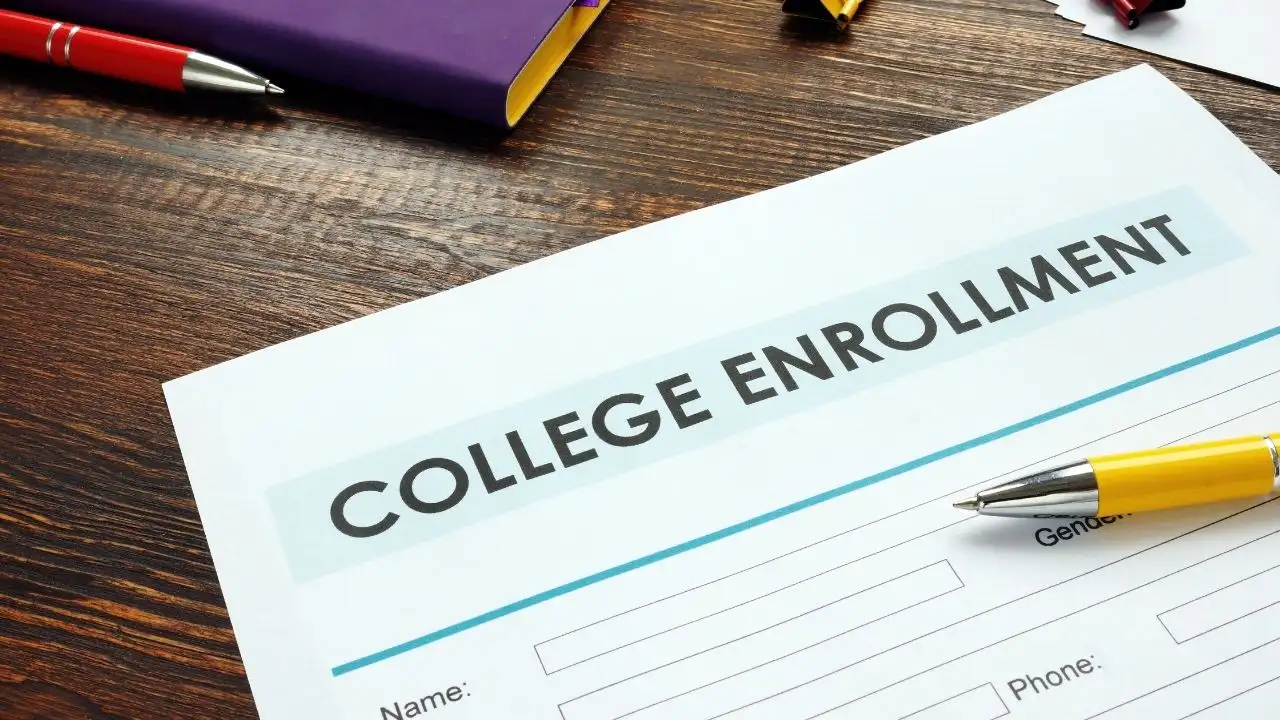
Total U.S. college enrollment climbed to 19.4 million students in fall 2025, exceeding levels seen before the pandemic. Across undergraduate and graduate programs, enrollment grew 1% from fall 2024, signaling renewed interest in higher education despite ongoing economic uncertainty, according to NPR.
Workforce-Focused Programs Drive Enrollment Growth
The growth is not evenly distributed. Four-year public universities and community colleges saw notable increases, while private four-year institutions experienced declines and master’s program enrollment fell.

Community colleges, in particular, have expanded short-term, workforce-aligned credentials by 28% year over year, reflecting a move toward more flexible, career-oriented pathways.
Students are increasingly prioritizing programs that offer tangible career returns. Enrollment in nontraditional programs — certifications and shorter courses tied directly to skills in demand — is rising, demonstrating a move away from traditional degree pathways toward more practical and adaptable options.

Career Relevance Shapes College Choice
Public confidence in higher education is returning, but it is conditional, influenced by cost, flexibility, and perceived career value. As hiring slowdowns and economic uncertainty continue, many prospective students are turning to local or flexible programs, such as community colleges, that allow them to test career paths without committing to a full four-year program.
Technology Programs Face Enrollment Changes
Computer and information sciences programs saw declines in both undergraduate and graduate enrollment, reversing years of steady expansion. Factors include fewer international students and concerns over the impact of AI and automation on technology careers.
Adapting to Student Priorities
Experts note that these enrollment changes are a positive indicator: students are making more informed choices, gravitating toward programs that align with workforce needs and economic realities. Colleges that adapt by offering affordable, flexible, and career-focused options are positioned for continued growth in the coming years.