



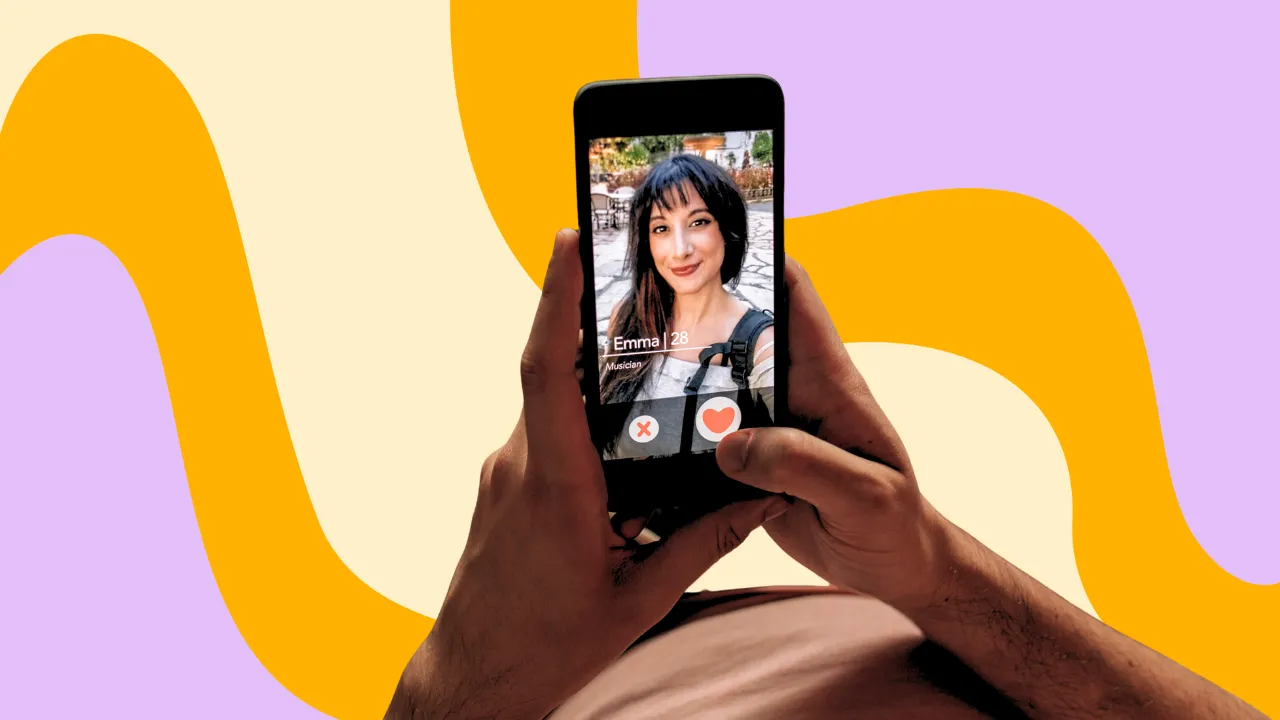
After months of unanswered applications, one laid-off professional decided to try something different. Instead of sending another résumé into an applicant tracking system, she opened a dating app. In the past, she had met thoughtful, ambitious people there. A few had even become professional contacts. In a labor market that felt increasingly impenetrable, it no longer seemed strange to ask whether the next meaningful career conversation might begin with a swipe.
She is far from alone.

15% of workers have used dating apps for professional networking, while another 14% have considered it. More strikingly, one in ten users now say they primarily log on for career-related reasons rather than romance. Tinder, Bumble, and Facebook Dating are among the most commonly used platforms for this unexpected form of outreach.
The Access Problem
Despite periodic reports of hiring momentum, many job seekers describe a stalled experience. Applications disappear into digital systems with little feedback. Recruiters are inundated. Senior leaders are harder to reach, especially in hybrid environments where casual office encounters have largely vanished.
Traditional professional platforms, while essential, can now feel saturated and impersonal. Not to mention that there is the new added issue of AI being heavily used to review job applications.
In that context, dating apps offer something increasingly rare: direct, one-to-one conversation. They create a space where professionals who might never respond to a cold LinkedIn message are open to dialogue, however initially framed.
Users approaching dating apps with career intentions are not simply browsing. According to Resume Builder, 66% say they aim to connect with people at prestigious companies. 43% report gaining mentorship or substantive career advice. 88% say they successfully formed a work-related connection. 37% secured referrals or leads, and 38% report receiving a job offer. Only 10% say their efforts yielded nothing.
For comparison, long-term romantic success rates on dating apps are often cited in the 10% to 25% range. In purely transactional terms, some users are finding that professional outcomes are more reliable than personal ones.

What This Says About the Future of Work
The rise of networking on dating platforms is not really about romance bleeding into work, but rather about the growing importance of access in a labor market shaped by automation and AI.
The formal application process can feel opaque and rigid when companies rely more heavily on screening software and algorithmic filtering. Referrals, warm introductions, and personal endorsements often determine who moves forward. In other words, social capital has become a decisive currency.
When access becomes the bottleneck, people look for new entry points. Dating apps happen to be one of them.
This dynamic shows a paradox in the future of work. While organizations invest in increasingly sophisticated hiring technologies, candidates are gravitating toward informal, human channels to break through digital barriers. The more optimized the system becomes, the more valuable authentic conversation feels.
The Ethical Tightrope
Blending dating and networking is not without risk, as professional motives can quickly surface in what was assumed to be a social context. Questions about hobbies and weekend plans give way to inquiries about company strategy or hiring needs. If intentions are unclear, disappointment or resentment can follow.
Serendipitous professional connections that arise naturally can be powerful. But deliberately disguising a networking agenda as romantic interest is more likely to backfire.
The line between opportunistic and authentic is thin, and reputational consequences travel quickly in tight professional circles.
A Signal Employers Shouldn’t Ignore
The fact that one in ten dating app users now primarily seek career advancement should prompt reflection. It suggests that traditional hiring channels feel insufficiently transparent, responsive, or accessible to a meaningful segment of the workforce.
Workers are now turning to dating apps because they believe conversation, chemistry, and direct access increase their odds in a system that often feels automated and distant.
For organizations focused on the future of work, the lesson is about examining whether their hiring processes inadvertently push talent toward unconventional avenues. If the most effective way to get noticed is through a social platform designed for romance, the issue may not be candidate behavior, but instead the structural friction in how opportunity is distributed.