



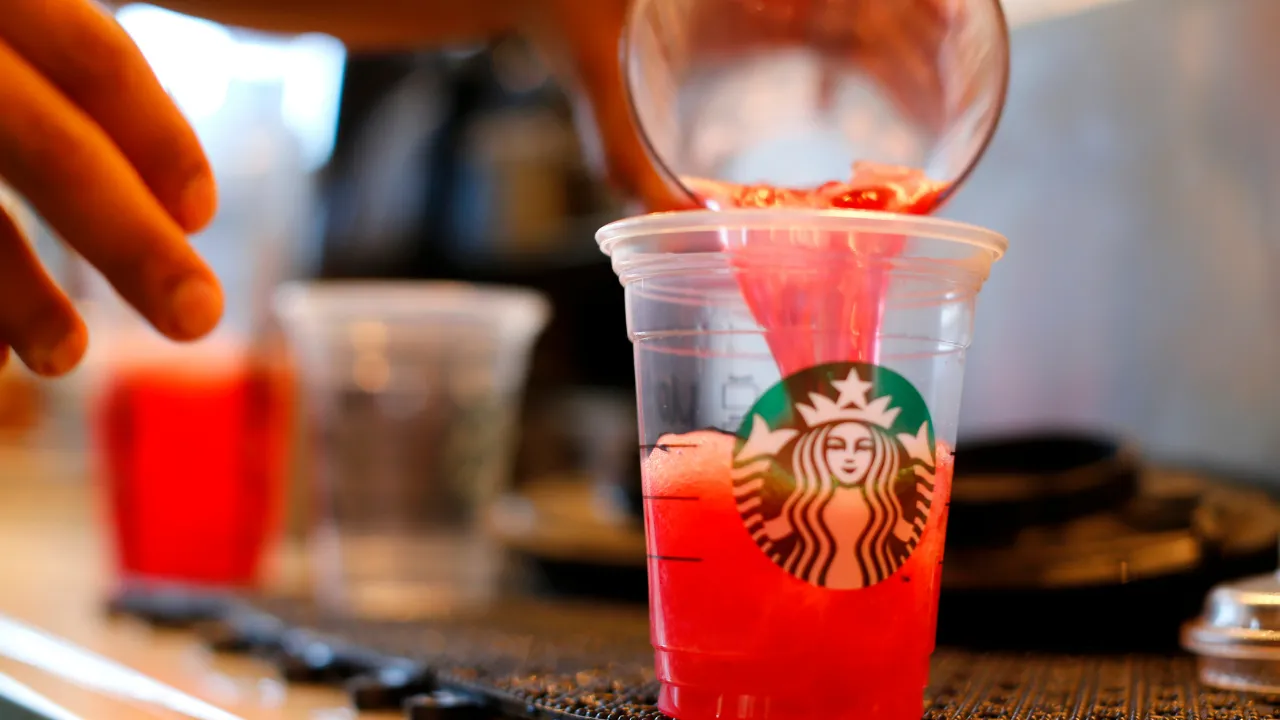
Starbucks will move to weekly pay for all U.S. store workers and roll out a program that adds bonuses and expands tips, it said on Thursday, as concerns persist over its stalled talks with the union representing some U.S. baristas.
The company said baristas can receive tips on credit and debit card transactions using mobile orders and in-store purchases completed with the use of the mobile app. Previously, tips were available only on in-store and drive-thru purchases made with cash or cards, or when using the Starbucks app.

A new bonus structure based on sales, operational and customer service targets will also be put in place, where baristas and shift supervisors can earn up to an additional $1,200 per year. The new bonus structure and tipping expansion will come into effect in July, the company said.
Starbucks will now pay all its U.S. store employees weekly, in response to feedback from baristas, with the plan rolling out in August.

At the roughly 5% unionized stores in the U.S., the plan will be subject to separate collective bargaining, Starbucks said.
The union in a statement said the changes were “clearly a reaction to our organizing and demands for higher take-home pay for baristas,” and criticized the tips and bonuses as “largely out of baristas’ control.”
Starbucks and Workers United, the union representing some baristas, said recently that bargaining talks were to resume soon.
The union has pressed Starbucks for better staffing, more predictable schedules and higher pay after drawn-out contract talks. Starbucks has said its baristas currently average $30 an hour when combining pay and benefits.

The company closed underperforming stores in recent months, including several hundred announced last year, as part of CEO Brian Niccol’s turnaround strategy.
It has invested $500 million for adequate staffing during peak hours since the turnaround began in September 2024.
Two proxy advisory groups warned shareholders earlier this year that Starbucks may be neglecting the financial and reputational risks that stem from labor disputes.
(Reporting by Juveria Tabassum in Bengaluru and Waylon Cunningham in New York; Editing by Tasim Zahid, Sriraj Kalluvila, David Gaffen)