The U.S. office vacancy rate fell to 17.6% in April, down 210 basis points year over year, as leasing activity stabilized in several major markets, according to a new report from Commercial Cafe.
National asking rents averaged $32.91 per square foot, a 1.3% decline from April 2025.

Miami and Manhattan continued to post some of the country’s lowest vacancy rates among major office markets, helped by financial services growth, corporate relocations, and stronger demand for premium space.
Meanwhile, markets including Seattle and San Francisco remained under pressure, with vacancy rates above 23%.

Flexible Offices Gain Ground
As companies continue reevaluating long-term office needs, flexible workspace operators and shorter lease structures are attracting more attention.
Industry analysts say AI adoption is adding another layer of uncertainty around how much office space companies will ultimately need and how employees will use it. Coworking and move-in-ready office space are increasingly positioned as a middle ground for companies trying to stay flexible while adapting to changing workforce demands.
The trend comes as businesses experiment with hybrid work, automation, and AI-assisted workflows that could impact staffing levels and office usage over the next several years.
Sales Activity Concentrates in Major Cities
Office investment activity remained concentrated in gateway markets. Manhattan led the country with nearly $2.9 billion in office sales through April, followed by San Francisco at $1.6 billion and Dallas at just over $1 billion.

Discounted office sales also remained common, particularly in Washington, D.C., where many buildings continued trading below prior peak valuations.
New Development Stays Limited
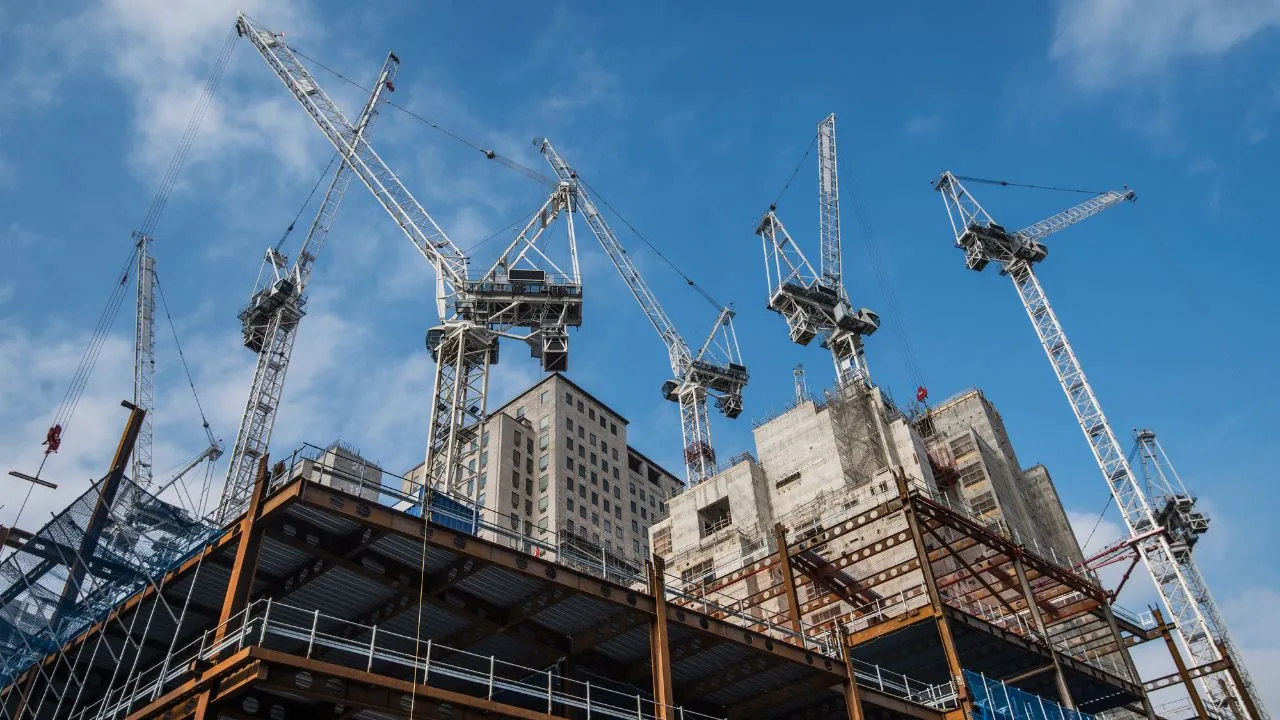
The national office construction pipeline remained modest at roughly 29.4 million square feet under construction, representing just 0.4% of existing stock.
Boston, Manhattan, and Dallas led the country in new office development, while most new projects continued targeting high-end class-A buildings with upgraded amenities and technology infrastructure.
Developers delivered about 6.6 million square feet of office space during the first quarter of 2026, but analysts expect overall supply growth to remain limited as companies remain cautious about long-term office demand.
Regional Markets Continue to Diverge
Southern and Midwestern markets generally maintained lower asking rents, while coastal markets continued commanding some of the country’s highest lease rates.
Miami posted some of the strongest occupancy levels nationally, while Texas markets including Dallas and Austin continued leading the South in office construction activity despite elevated vacancy levels.
Austin also stood out for office-related job growth, driven partly by continued expansion in financial services and fintech hiring.