
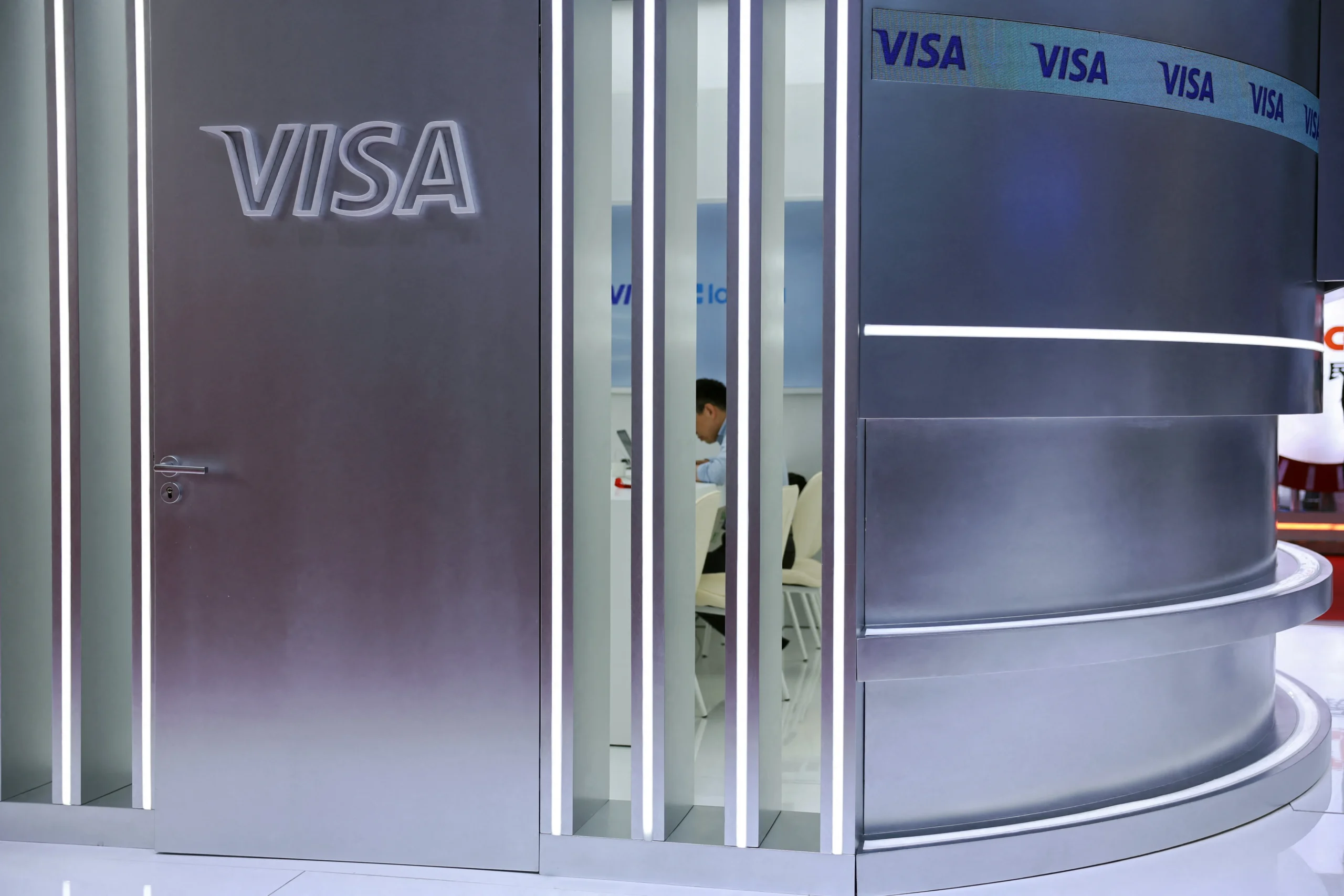
Visa plans to cut 7% of its workforce, or about 2,600 jobs, a company spokesperson said on Tuesday, as the payments processor seeks to become more efficient, about six months after a similar move by its closest peer.
The job cuts will primarily affect technology and product teams.

“I have deep conviction that we are doing what is right for Visa, our clients and our partners as we continue to focus on driving efficiency across the company in order to reinvest in our highest potential opportunities,” CEO Ryan McInerney wrote in a staff memo, excerpts from which were confirmed by the company spokesperson.
Earlier this year, peer Mastercard announced plans to lay off 4% of its global workforce, citing the need to refocus investments in different areas. Fintech firm Block also said in February it would cut nearly half of its workforce, or 4,000 jobs.

McInerney said Visa must keep evolving the way it operates to seize growth opportunities and stay ahead of industry changes, with AI playing a key role in accelerating that shift.
The layoffs underscore how companies are beginning to translate artificial intelligence investments into workforce changes, heightening concerns among workers and economists that the technology could replace jobs even as it drives productivity and profitability.
AI has helped cut repetitive tasks and speed up product development, but it was not the sole factor behind the decision, according to Bloomberg News, which first reported the cuts, citing a person familiar with the company’s reasoning.
According to the company’s annual report for 2025, Visa had about 34,100 employees in fiscal 2025, up 8% year over year.
“We don’t view this as a material event, as it is just one of the best-run companies in the world tweaking headcount and costs and reallocating money and resources into areas of higher growth and returns,” analysts at Evercore ISI said in a note.
Ironclad Model, Resilient Spending
The company is set to report its quarterly results after the market close on Tuesday. Visa has beaten Wall Street estimates in every quarter over the past two years except one, when profit metrics came in line with analysts’ forecasts.
Consumer spending remained resilient in the second quarter of 2026, which is usually positive for the world’s largest payments processor.
Visa, which operates a digital payments network across more than 200 countries and territories and is used by billions for everyday transactions, is well positioned to weather any potential economic downturn.
The company’s business model is insulated because it depends on transaction volumes rather than credit risk, allowing strength at the top end of the income spectrum to offset softness at the bottom.
“As a result of the choices we have made over the past few years, we are entering a new era in commerce with a business that has real momentum,” McInerney said in the memo.
Shares of the company were up 1% in early morning trading. The company’s market capitalization stood at a little over $683 billion including the session’s gains, according to LSEG.
They have gained just over 3% so far in 2026 as of the last close, underperforming the broader market but outperforming Mastercard .
(Reporting by Pritam Biswas and Utkarsh Shetti in Bengaluru; Editing by Tasim Zahid)