
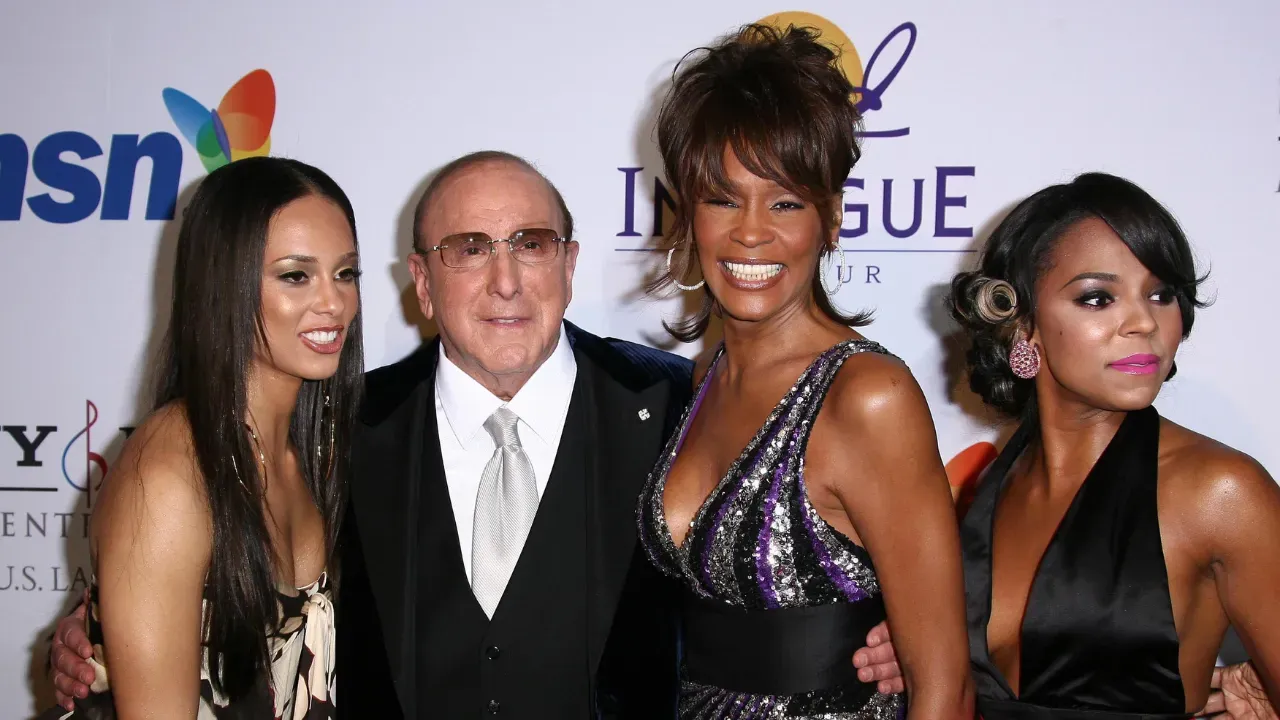
Clive Davis built enduring careers by recognizing what people might become and then creating the conditions that helped them get there. That is the talent model organizations increasingly need at a time when the jobs they are filling today may look very different from the work that determines success two years from now.
When Clive Davis became president of Columbia Records in 1967, he was hardly a traditional music-industry insider. He was a Harvard-trained lawyer who had joined the company as legal counsel and later learned how to identify talent across genres while the industry itself was evolving.

He did not have the conventional background associated with the work that would define his career. Yet he became one of the modern era’s most influential talent leaders, helping shape the careers of performers including Janis Joplin, Santana, Bruce Springsteen, Billy Joel, Whitney Houston and Alicia Keys.
His legacy is usually presented as a story of extraordinary musical instinct. But it is also a lesson in talent management: How do leaders identify unusual potential before the market has the language to describe it, and then build the conditions that allow that potential to become visible, relevant and sustainable?

Why AI Makes Hiring For Potential More Important Than Past Experience
Davis was not searching for polished conformity. He was looking for artists with a distinctive perspective, an emotional connection and the ability to hold an audience’s attention over time. For employers today, that means learning to hire for potential as well as experience, rather than treating a completed résumé as reliable evidence of future readiness.
This is the natural progression beyond skills-based hiring. Skills remain important, but organizations also need to understand how people learn, adjust, connect ideas and produce value while the nature of the work is still changing. Most recruitment systems remain designed to recognize candidates who resemble the people hired, promoted or rewarded in the past. They are less capable of identifying the employee who has spent ten years moving between functions, the professional who paused a career and returned with a different perspective, or the worker whose role is being automated but whose domain knowledge could become the foundation for something new.
None of these candidates fits comfortably into a system that matches job titles with job codes. Any of them could be exactly what the organization needs next.
A résumé documents where someone has been. It does not always show where that person is capable of going. When the work itself is being redefined, similarity to the past can become a weak indicator of readiness for the future. The more important challenge is identifying people who can grow into work that is only beginning to emerge and then creating an environment that supports that growth.

This is where today’s leaders can learn from Davis’s career. He did not sign artists because they were highly polished versions of something already selling. He searched for an original voice, a meaningful connection with an audience and the possibility of a career that could change and mature over time.
Davis famously recognized Bruce Springsteen as an original artist rather than treating him as another version of Bob Dylan. That distinction mattered because the industry had every incentive to keep looking for the next familiar success story.
Davis understood that the most valuable talent may be the person who does not fit the template the organization already knows how to recognize.
Potential Is Not Simply A Personal Trait. It Is Produced By An Ecosystem.
Recruitment is only the first stage. Davis’s role did not end once an artist signed a contract. He helped choose material, bring creative teams together, influence market positioning, generate exposure and support careers through periods of reinvention. After signing Whitney Houston at 19, he remained involved in nearly every album of her career and secured a television appearance for her within weeks.
That is a far more demanding definition of talent management than recruiting someone and expecting that person to arrive fully developed. Yet many organizations still celebrate the successful hire and then invest too little in the environment that would allow the individual to succeed.
Inside a company, the equivalent is not simply another onboarding course. It is an intentional system that turns promise into contribution. That means offering people access to meaningful assignments before their résumé appears to justify the opportunity. It requires managers who know how to stretch employees without leaving them unsupported. It also means creating project-based experiences through which people can demonstrate capability in adjacent areas.
An organization that recruits for potential but then gives the person only narrow, low-risk assignments has not allowed that potential to become visible. It has effectively predetermined the result and then held the employee responsible for it.
Why Sponsorship And Career Development Matter In An AI-Enabled Workplace
Davis’s career offers another important lesson: Ability alone is rarely enough to move talent forward. He understood that talent becomes more valuable when it is developed over time and that managing a career often requires conviction before there is proof.
Many of the artists he supported were not obvious commercial choices when he first backed them. His approach relied on judgment, patience and a willingness to advocate for people internally and externally before the evidence was conclusive.
In a labor market shaped by shorter tenure, contingent work and constant reskilling, that raises difficult questions. Are managers recognized for developing employees who may eventually move to another team or leave the organization? Do workers receive access to visible opportunities that expand their capabilities? Or do their previous job titles and responsibilities continue to restrict what they are allowed to do next?
Davis also created high-stakes opportunities in which artists could be seen by the people capable of influencing their careers. He reportedly described his pre-Grammy events as a way to put talent in front of tastemakers, while also acknowledging that visibility only creates value when genuine substance sits behind it.
Sponsorship is not the same as offering encouragement. It means actively creating access to important work, influential networks and greater visibility. Its value comes from a manager’s willingness to attach their own judgment to another person’s potential, open a door before the résumé fully supports the decision, and remain involved after the employee has stepped through it.
This is becoming even more urgent as generative AI and AI agents reduce the entry-level work through which employees traditionally learned, developed relationships and became visible inside organizations. When companies automate those early assignments without replacing the exposure, practice and sponsorship they provided, they risk weakening the future leadership pipeline while believing they are simply improving efficiency.
That kind of sponsorship is particularly important for people whose potential is not easily captured through conventional signals. This includes employees without elite academic credentials, professionals from underrepresented groups, people whose careers have been interrupted and workers attempting to move from declining areas of work into growing ones.
The Future Of Talent Management In The AI Era
Clive Davis worked in an industry where poor talent decisions could fail quickly and very publicly. He made those decisions anyway because he understood that waiting for certainty before committing to someone often meant arriving only after the important moment had passed.
That is what the next chapter of hiring will require. Organizations do not simply need more sophisticated filters. They need leaders prepared to make thoughtful bets on what people are still capable of becoming.