This article is based on the Allwork.Space Future of Work Podcast episode “David Grossman on Leadership, AI & Change | Future of Work Podcast.” Watch or listen to the full episode.
The biggest leadership problem today may be hiding within your seemingly stable team: leaders who are doing a decent job, but are no longer equipped for the level of uncertainty their employees are facing.

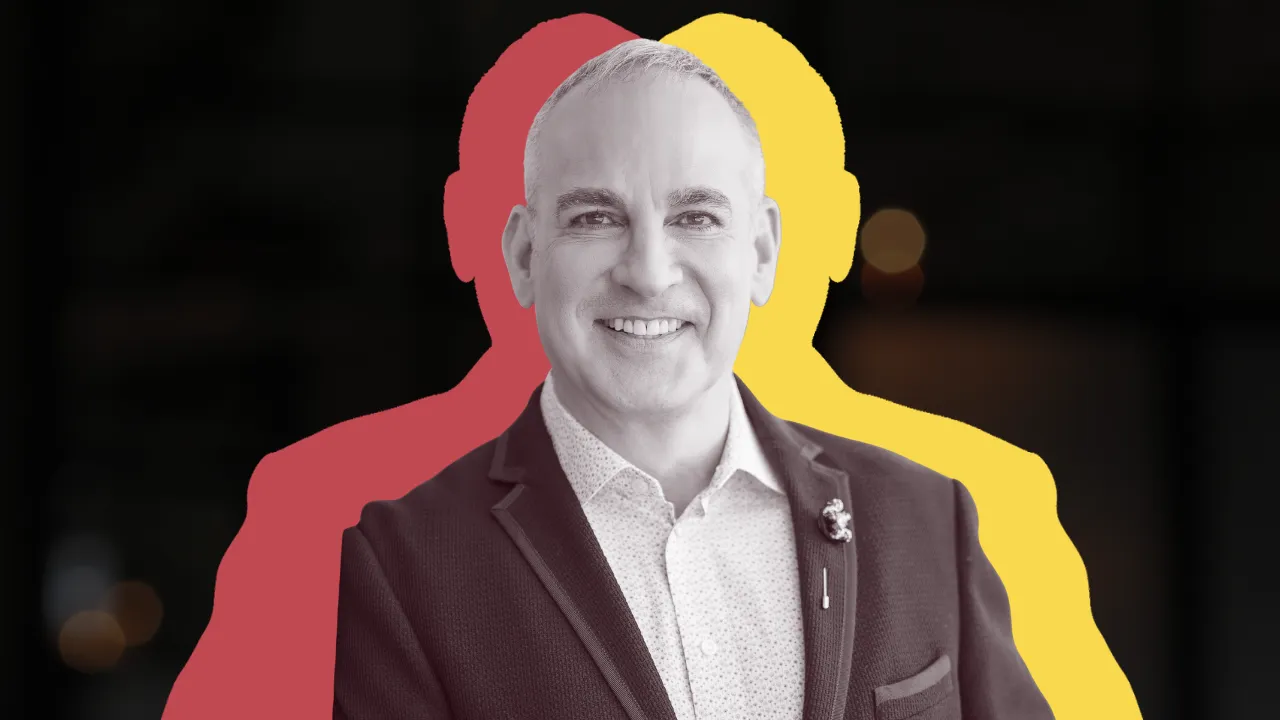
That was one of the central themes in our conversation with David Grossman, founder and CEO of The Grossman Group, and an executive coach and leadership and change communication expert. Grossman joined us on the Future of Work® Podcast to discuss what it takes to lead through constant change, particularly as AI transforms the workplace.
His message was clear: the gap between good and exceptional leadership is becoming more consequential.

Most Leaders Are “Good.” That’s the Problem
Research from The Grossman Group and The Harris Poll found that employees classify 16% of leaders as outdated, 30% as exceptional and 54% as good. At first glance, having most leaders land in the “good” category sounds encouraging. Grossman’s research uncovered a different problem. Under good leaders, fewer than 20% of employees said they feel seen, feel heard or feel they are reaching their full potential.
That creates a leadership blind spot. Organizations already know what to do with clearly ineffective leaders. They can receive coaching, enter performance plans or attract attention from senior leadership. The larger opportunity may be helping competent leaders develop the skills needed for a workplace defined by uncertainty.
Many leaders, Grossman argued, were trained for more stable conditions. They now have to manage employees dealing with constant change, uncertainty and a much greater emotional load.
AI Makes Leadership More Personal
AI is an especially difficult test because employees experience it differently from how executives often frame it.

For a company, AI can look like a technology implementation, productivity initiative or cost decision. For an employee, it can raise much more personal questions about their future: Do I still matter? Where do I fit? What will my job become? That makes AI a change-management challenge as much as a technology challenge.
Unlike a software rollout with a defined launch date, AI is continuously developing. New tools and capabilities keep appearing, creating an ongoing stream of change rather than a single transition employees can eventually put behind them.
Grossman said companies also frequently communicate AI in terms of what it will do for the organization rather than what it means for employees. That can leave workers focused on job security instead of the ways AI could help them work differently or develop new skills.
The “AI Cover Story” Creates Another Problem
Grossman also pointed to what he calls the “AI cover story,” in which companies attribute layoffs or restructuring to AI rather than taking responsibility for business decisions and changing market conditions.
If a company needs to reduce its workforce, leaders still have an opportunity to communicate why the decision was made, take accountability for it and treat affected employees with respect. They also need to explain what the changes mean for the people who remain. That is where communication has to match action; employees are more likely to trust leaders when what they say about the future aligns with what they actually do.
Exceptional Leadership Starts With Knowing the Person
Grossman’s research identified six qualities that distinguish exceptional leaders. Gratitude comes first.
The difference is subtle but important. Good leaders may recognize an employee’s work, but exceptional leaders recognize both the work and the person behind it. That requires knowing employees well enough to make appreciation meaningful. A generic “great job” carries less weight than recognizing the effort, circumstances or personal commitment behind someone’s contribution.
For Grossman, that means leaders need to understand each employee’s story, including what motivates them, what they value and where they want to go.
Gratitude also works best as a regular leadership habit rather than an occasional gesture. The more consistently leaders recognize meaningful contributions, the more natural the behavior becomes.
Human Skills Are Becoming Leadership Skills
Grossman’s research found that nine of the top 10 qualities associated with exceptional leaders are focused on the human side of leadership. The remaining quality is transparency. That puts skills such as listening, empathy, inspiration and building a sense of shared purpose closer to the center of effective leadership. These skills are also learnable.
Organizations can develop them through training, coaching and senior leaders modeling the behaviors themselves. Leaders can also help employees identify their strengths and find opportunities to use them, while creating pathways for people to continue developing.
One of the biggest weaknesses identified in the research is employees feeling that they are not reaching their potential.
AI May Make Leadership More Important, Not Less
AI will continue changing how work gets done. The technology itself may become increasingly common across organizations, making the quality of its implementation and leadership more important. The differentiator may come down to how effectively leaders help employees understand where they fit, what they can contribute and how their roles can develop as work changes.
That requires more than communicating an AI rollout, and means giving people a clear vision of where the organization is going, explaining what that future means for individual employees and identifying opportunities for learning and growth along the way. The technology may change the work, but leaders still have to help people make sense of it.
For Grossman, that is the central challenge of modern leadership: uncertainty is unlikely to disappear, so the variable leaders can control how they respond to it. Exceptional leadership means developing the human skills that help employees feel seen, heard and capable of reaching their potential while the organization moves through change.