



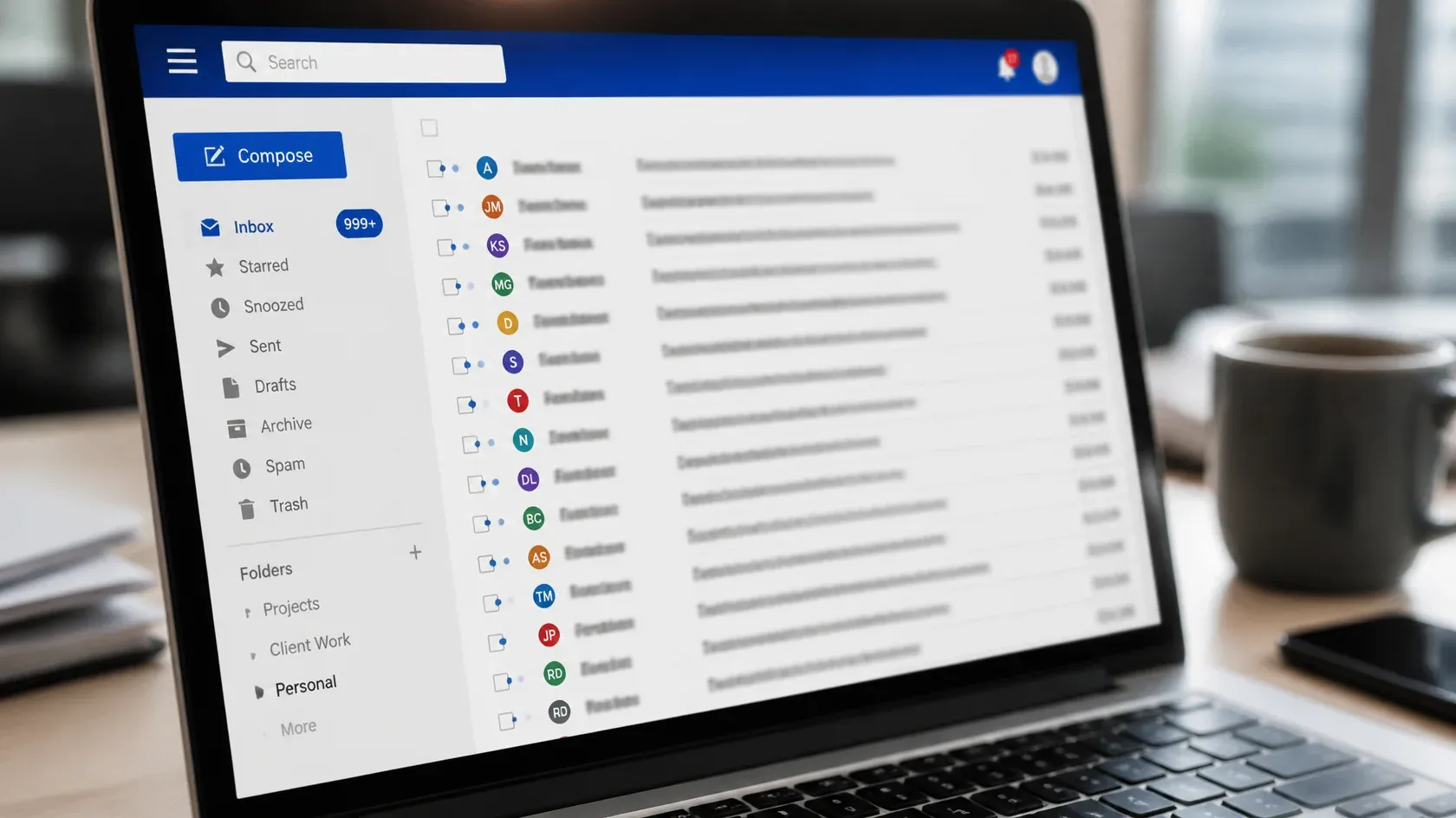
Employees are ignoring roughly one-third of corporate emails, adding to communication problems for managers trying to get responses and keep projects moving. An analysis by email platform PoliteMail of 2 billion corporate emails sent to nearly 11 million employees worldwide found that many workplace messages never get opened.
Even opened emails receive little attention. ContactMonkey data show that 40% of internal emails are viewed for just one to three seconds, while only about one-third receive more than nine seconds of attention. Just 10% of employees click links in internal emails, according to PoliteMail.

Workers Face Hundreds of Daily Messages
The average white-collar worker receives 117 emails and 153 total messages each day, according to Microsoft’s 2025 data. Meanwhile, more than two-thirds of companies add new communication tools to their technology stacks annually, according to Speakwise, giving employees even more channels to monitor.
Korn Ferry experts point to this growing volume and fragmentation as factors making it harder for employees to distinguish urgent requests from messages they can address later. Some workers are overwhelmed by incoming communication, while others prioritize messages based on their own preferences.

Gen Z Is More Likely to Ignore Actionable Emails
A report from document platform Sign.com found that Gen Z workers were 82% more likely than Gen X workers to avoid emails requiring action. Forty percent of Gen Z respondents said they had recently ignored an administrative request in their inbox, compared with 22% of Gen X and baby boomers.
The report also found that 58% of Gen Z respondents had ignored documents altogether, compared with 38% of older workers.
Companies Need Consistent Communication Rules
Korn Ferry experts say employers can improve responsiveness by establishing clear expectations for which channels employees should use and how quickly they should respond. Teams could, for example, require replies to direct messages within an hour and emails within a day.
Clear subject lines, concise messages and specific requests near the beginning of an email can also make it easier for employees to identify what needs attention. When messages continue going unanswered, managers may need to consider whether another communication channel or a direct conversation would be more effective.